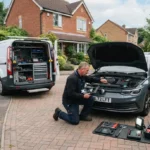
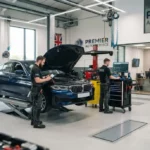
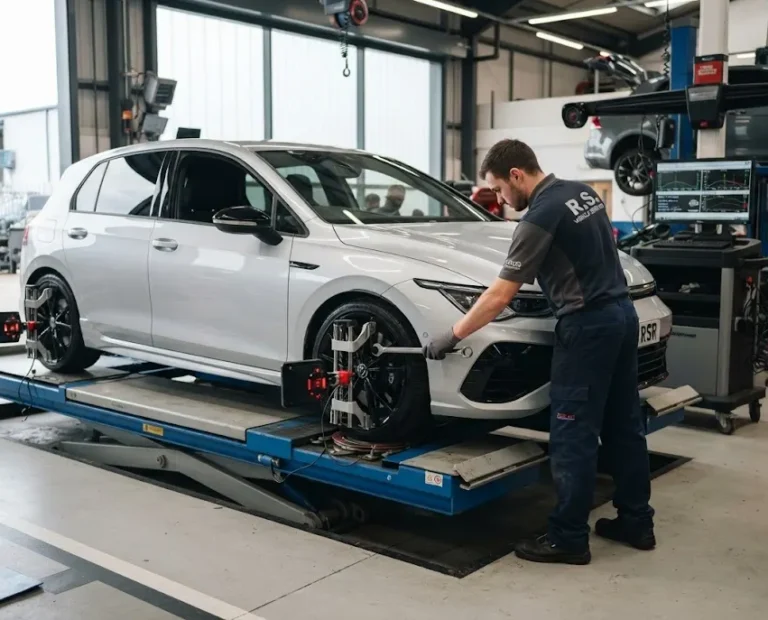
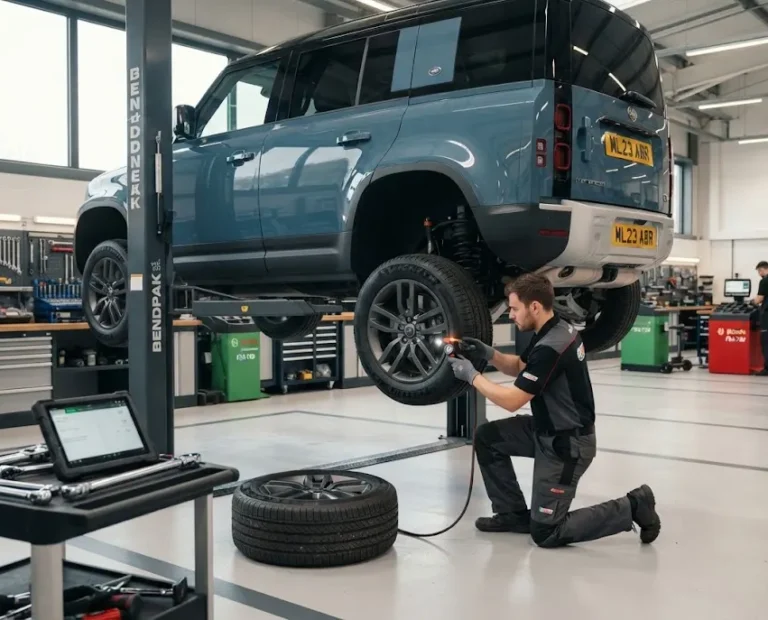
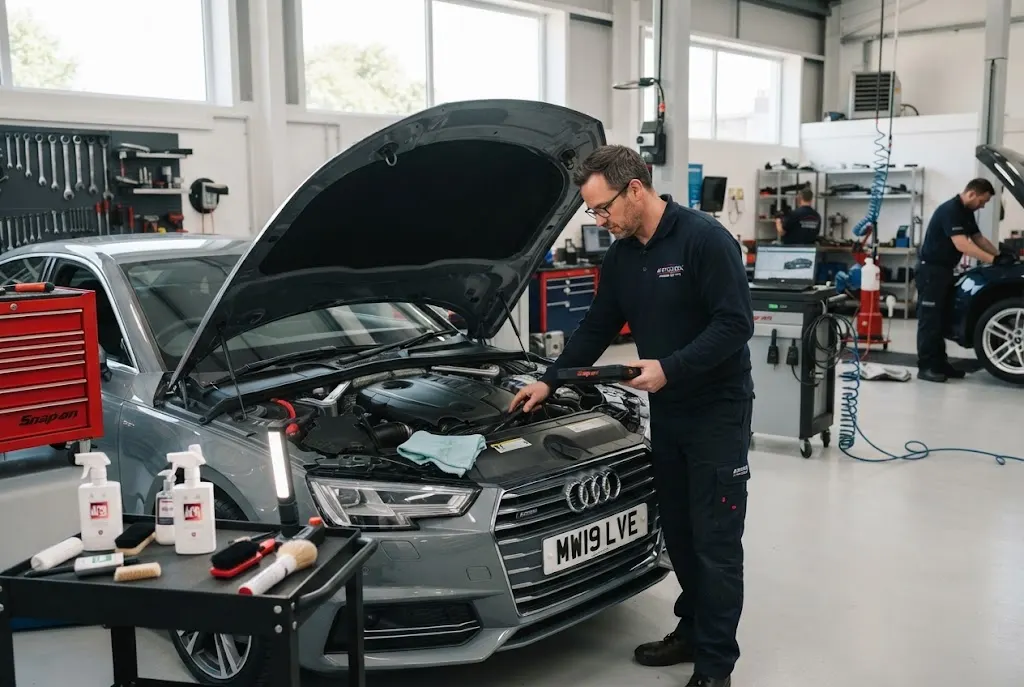
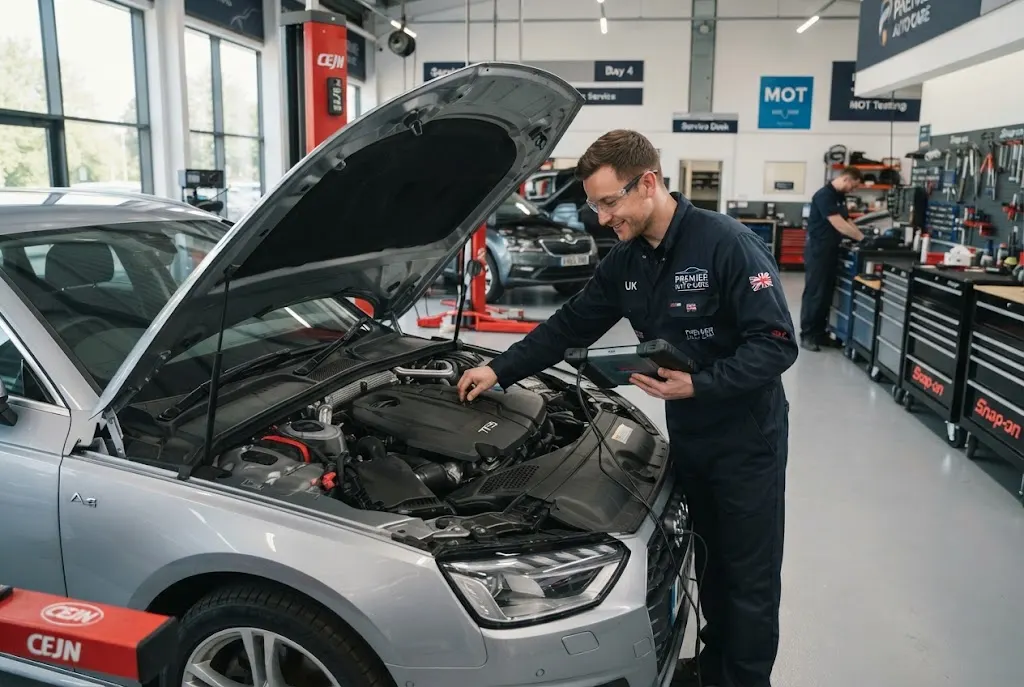
The modern auto service garage is changing significantly as vehicles become more technologically advanced and motorists expect greater convenience, transparency and service quality. Today’s garages are no longer focused solely on mechanical repairs. They increasingly combine skilled technicians, diagnostic technology, digital processes and customer-focused systems to provide a more complete automotive service.
This transformation affects independent garages, authorised workshops and other automotive businesses across the UK. While traditional mechanical expertise remains essential, workshop innovation and digital servicing are becoming increasingly important for businesses that want to remain competitive. For drivers, these changes can mean easier bookings, clearer communication and a more convenient experience throughout the repair or maintenance process.
What Defines a Modern Auto Service Garage?
An auto service garage can range from a small independent workshop to a larger authorised facility, but the modern approach has several characteristics in common. Garages increasingly rely on digital booking systems, electronic vehicle diagnostics, structured job management and improved communication with customers.
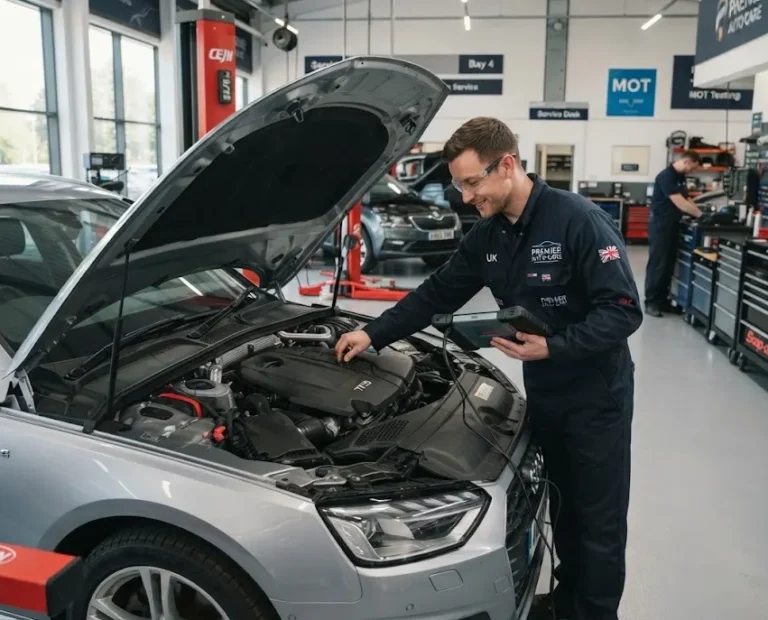
Technology does not replace the role of experienced technicians. Instead, it gives them additional tools to diagnose faults, manage complex vehicle systems and complete work efficiently. This is particularly important as modern cars contain increasingly sophisticated electronic and computer-controlled components.
At the same time, customers expect more information about the work being carried out. A garage that explains the problem clearly, provides a transparent estimate and keeps the customer informed can create a considerably stronger experience than a workshop that relies entirely on traditional communication methods.
Independent Garages Are Adapting to New Expectations
Independent garages remain an important part of the automotive service market. Their proximity to local communities and ability to provide personal service can be significant advantages. However, customer expectations mean that independence alone is no longer enough to guarantee competitiveness.
Many independent businesses are adapting by investing in diagnostic equipment, technician training, online booking and more organised workshop processes. These improvements can allow smaller businesses to offer a professional experience while retaining the personal relationship that customers often associate with local garages.
Clear communication is particularly valuable. Customers may not understand technical terminology, so explaining a fault in straightforward language can make a major difference. Providing photographs, inspection findings or a structured estimate can also help customers make informed decisions.
Authorised Workshops and Changing Service Standards
Authorised workshops operate within manufacturer-specific systems and may have access to specialist equipment, technical information and training associated with particular vehicle brands. This can be especially relevant when servicing newer vehicles or dealing with complex systems.
However, customers increasingly compare their overall experience rather than looking only at the type of workshop. Service standards now include factors such as appointment convenience, communication, transparency, waiting arrangements and after-service support.
As a result, both authorised workshops and independent garages have reasons to improve the customer journey. Technical capability remains fundamental, but it is increasingly connected to how efficiently and professionally that capability is delivered.
Digital Servicing Is Reshaping the Customer Journey
Digital servicing is one of the clearest signs of change within the modern automotive industry. Instead of relying entirely on telephone calls, customers may now be able to request appointments, describe problems, receive reminders and communicate with a garage through digital channels.
Online booking can make scheduling easier for both customers and workshops. For the business, digital appointment information can improve planning and reduce administrative workload. For the motorist, it can provide the flexibility to arrange servicing outside traditional telephone hours.
Digital communication can also improve transparency. A workshop may be able to send inspection results or estimates electronically, allowing customers to review proposed work before authorising it. This creates a clearer record of communication and can help reduce misunderstandings.
Workshop Innovation Goes Beyond Technology
Workshop innovation is not limited to buying the latest diagnostic equipment. It can also involve improving the way a garage organises people, information and processes.
Efficient job scheduling, parts management and technician allocation can reduce unnecessary delays. Standardised inspection procedures can help ensure that important checks are not overlooked. Meanwhile, digital records can make it easier to understand a vehicle’s previous service history.
These operational improvements are closely connected to the economics of auto repair services. Better workshop efficiency can help businesses manage resources while giving customers a more predictable service experience.
Innovation should therefore have a practical purpose. The most useful changes are those that improve accuracy, reduce avoidable delays, support technicians or make the customer journey easier.
Customer Experience Is Becoming a Competitive Advantage
Customer experience has become an increasingly important factor in the automotive service sector. A motorist may remember how a garage communicated with them just as strongly as the mechanical work itself.
For example, customers generally benefit when a garage provides clear explanations before work begins, communicates unexpected findings promptly and explains what has been completed when the vehicle is collected.
Convenience also matters. Flexible appointment options, digital communication and clear collection arrangements can make a workshop easier to use. These seemingly small details can influence whether a customer returns for future servicing.
Reputation is another important part of the customer experience. Online reviews and recommendations can influence how motorists compare local automotive businesses. Consistent service quality can therefore contribute to long-term customer relationships as well as immediate satisfaction.
Vehicle Technology Is Changing Workshop Skills
Modern vehicles require a broader range of technical knowledge than many older vehicles. Mechanical systems remain important, but technicians may also need to understand electronic control systems, sensors, diagnostic software and other vehicle technologies.
This shift creates an ongoing need for training. An auto service garage that invests in technician development can be better prepared to work on newer vehicles and diagnose increasingly complex faults.
The transition also changes the role of diagnostic testing. Rather than simply identifying a failed mechanical component, technicians may need to interpret information from several connected systems before determining the underlying cause of a fault.
Accurate diagnosis matters because replacing parts without understanding the root cause can waste time and increase costs. Strong diagnostic capability therefore supports both workshop efficiency and customer value.
How Automotive Businesses Can Adapt
For automotive businesses, adapting to industry transformation does not necessarily mean completely replacing traditional workshop practices. A more practical approach is to combine established mechanical expertise with useful modern processes.
A garage can begin by reviewing the customer journey from the initial booking through inspection, repair approval and vehicle collection. Identifying unnecessary delays or communication gaps can reveal opportunities for improvement.
Businesses can also assess whether their booking process, customer records and workshop scheduling systems are helping technicians work efficiently. Where appropriate, digital tools can reduce repetitive administration and provide better visibility over appointments and vehicle status.
Most importantly, technology should support service quality rather than become an end in itself. Customers ultimately want their vehicles maintained or repaired properly, with reasonable communication and clear expectations.
The Role of Maintenance in the Evolving Garage
The changing garage environment also reinforces the importance of planned vehicle care. Modern workshops increasingly have an opportunity to move conversations beyond emergency repairs and towards longer-term maintenance planning.
Drivers who follow appropriate vehicle maintenance schedules can give workshops a clearer picture of a vehicle’s service history and upcoming needs. This can make maintenance easier to plan and potentially reduce the likelihood of avoidable failures.
The broader concept of auto care services also reflects this shift. Vehicle ownership increasingly involves maintaining condition, reliability and long-term value rather than simply responding whenever a fault appears.
Why Convenience Will Continue to Matter
Convenience is likely to remain an important part of automotive service innovation. Modern consumers are accustomed to digital booking, online communication and services designed around their schedules.
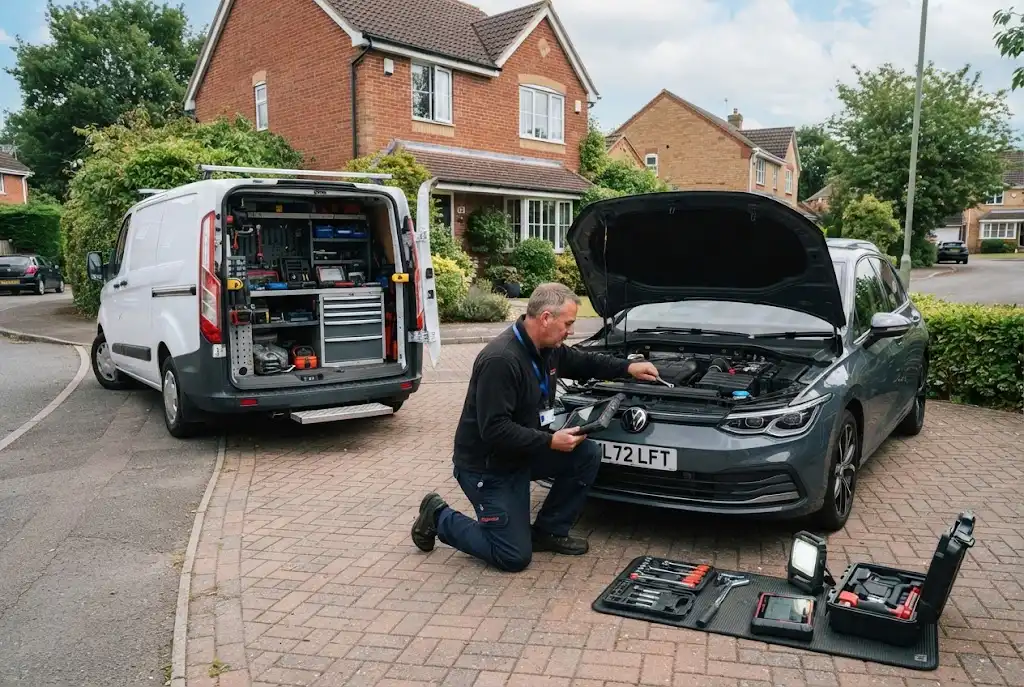
This expectation is also creating opportunities for alternative service models. The growth of mobile auto service demonstrates how some motorists are looking for automotive assistance without necessarily visiting a conventional workshop for every requirement.
Traditional garages can respond by improving appointment flexibility, communication and customer processes. Mobile services can complement rather than simply replace conventional workshops, particularly where certain repairs or maintenance tasks require specialist workshop equipment.
The Future of the Auto Service Garage
The future of the auto service garage is likely to combine traditional expertise with increasingly sophisticated technology and customer-focused processes. Independent garages and authorised workshops may use different approaches, but both face similar expectations around accuracy, convenience, transparency and service standards.
Workshop innovation will continue to influence how vehicles are diagnosed, maintained and repaired. Digital servicing will make more parts of the customer journey easier to manage, while technician training will remain essential as vehicle technology develops.
For motorists, the result should be a more informed and convenient approach to vehicle care. For automotive businesses, the challenge is to adopt useful innovation without losing the technical expertise and personal service that remain at the heart of a good garage.
Ultimately, the modern garage is evolving because the vehicle and the customer are evolving together. Businesses that combine strong technical capability with efficient operations and a better customer experience will be better placed to meet the changing demands of the UK automotive market.