Vehicle maintenance is often treated as a routine responsibility, but it can also be viewed as a practical long-term ownership strategy. Instead of waiting for a warning light, unusual noise or mechanical failure to demand attention, motorists can use preventive maintenance to identify potential problems earlier and keep their vehicles operating reliably.
For UK drivers, effective vehicle maintenance involves more than following a calendar reminder. It means understanding maintenance schedules, paying attention to how a vehicle is used, keeping service records and responding appropriately to signs of wear. A well-planned approach can make vehicle ownership more predictable while supporting safety, reliability and long-term value.
Why Vehicle Maintenance Should Be Strategic
Every vehicle experiences gradual wear. Brakes, tyres, fluids, filters, batteries and other components have finite service lives, although the exact rate of wear varies according to the vehicle and how it is driven.
Ignoring routine maintenance can allow relatively manageable issues to develop into more disruptive problems. A strategic approach instead focuses on identifying what needs attention, deciding when it should be addressed and keeping a record of completed work.
This does not mean replacing every component before it is necessary. Good maintenance planning is about using appropriate servicing intervals and professional inspection to make informed decisions rather than reacting to every possible concern.
Vehicle Maintenance and Preventive Maintenance
Preventive maintenance is based on the principle that regular attention can help reduce the risk of avoidable failures. It includes scheduled servicing and inspections as well as simple checks that motorists can carry out between professional appointments.
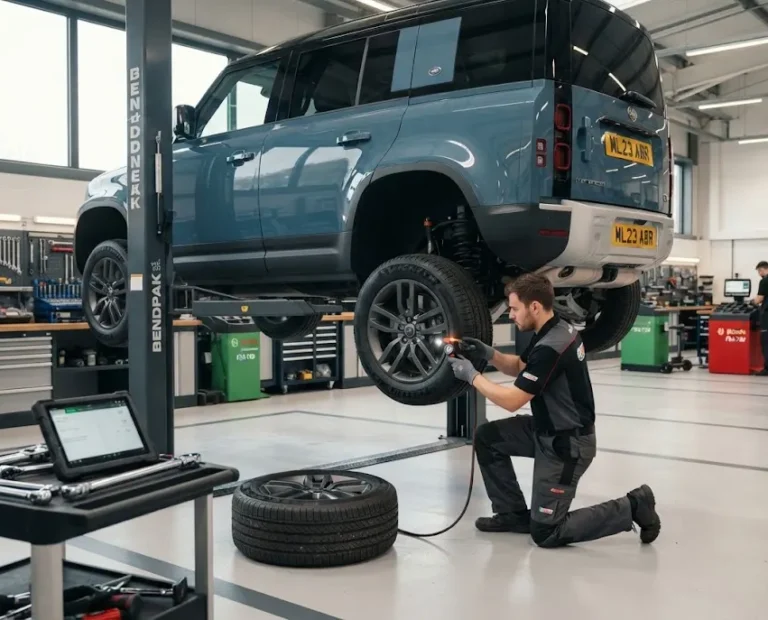
Depending on the vehicle, routine attention may include checking tyre condition and pressure, monitoring fluid levels, inspecting lights and paying attention to changes in braking, steering or engine behaviour.
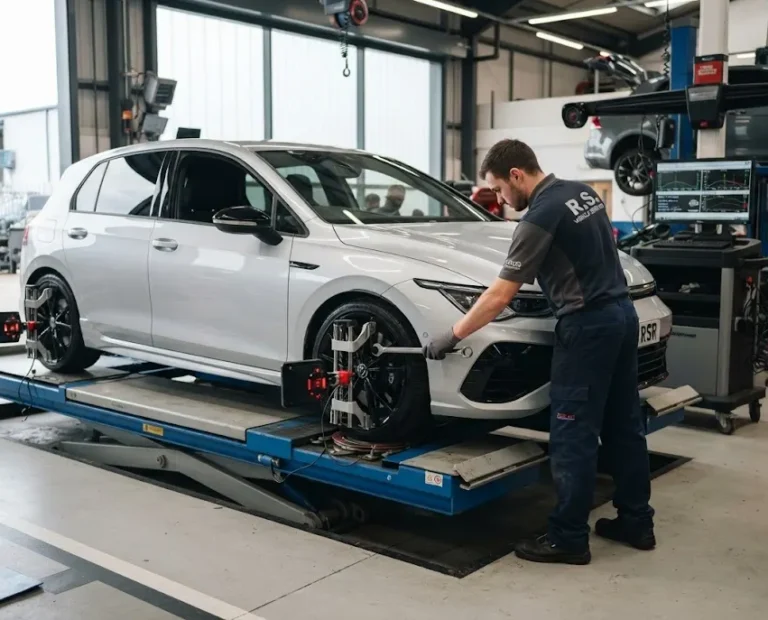
Professional servicing adds another layer of assessment. A qualified technician can inspect components that may not be easy for an owner to evaluate and can identify signs of wear that could become more significant over time.
The objective is not to guarantee that a vehicle will never break down. No maintenance programme can eliminate unexpected faults. Instead, preventive care aims to reduce avoidable risks and provide better visibility over a vehicle’s condition.
How Maintenance Schedules Support Better Planning
Maintenance schedules give vehicle owners a framework for planning servicing and inspections. Manufacturer recommendations are an important starting point because they are developed around the vehicle’s design and expected operating requirements.
However, the way a car is used can also influence its maintenance needs. A vehicle that regularly covers long motorway journeys may experience different patterns of wear from one primarily used for short urban trips. Heavy loads, frequent stop-start driving and other demanding conditions can also affect certain components.
Owners should therefore treat the recommended schedule as a foundation for good planning rather than assuming every vehicle experiences identical conditions.
Keeping accurate service records can make this process easier. Records provide a useful history of completed work and can help motorists and technicians understand what maintenance may be due next.
Predictive Servicing Is Changing Vehicle Care
Predictive servicing takes preventive maintenance a step further by using vehicle data, diagnostic information and observed component condition to identify potential issues before they become failures.
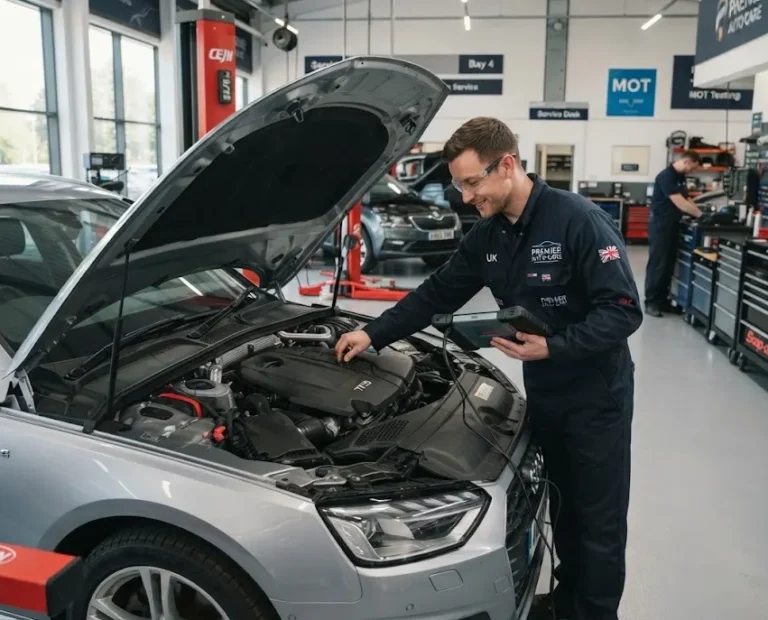
Modern vehicles can generate substantial amounts of information through sensors and electronic control systems. When interpreted correctly, this information can help technicians understand vehicle performance and investigate developing faults.
Predictive approaches do not replace physical inspection or professional judgement. Instead, they can provide additional information that supports more informed servicing decisions.
As vehicle technology develops, maintenance may increasingly involve a combination of traditional mechanical inspection and digital diagnostics. This is one reason modern garages need both experienced technicians and appropriate diagnostic capabilities.
Vehicle Reliability Depends on Consistent Care
Vehicle reliability is not determined by one service appointment. It is influenced by how consistently a vehicle is maintained throughout its ownership.
Small maintenance tasks can contribute to the overall condition of a vehicle, while prompt attention to emerging problems can prevent some issues from becoming more disruptive. Consistency is therefore more useful than simply carrying out a large amount of maintenance after a problem appears.
For motorists, this means paying attention to changes in the vehicle rather than relying exclusively on a fixed annual routine. Unusual vibrations, unfamiliar noises, changes in braking performance or dashboard warnings can all justify further investigation.
When a concern does arise, using a reputable auto repair service can help identify the underlying issue and determine an appropriate repair strategy.
Ownership Planning Can Make Maintenance More Manageable
One of the major advantages of planned vehicle maintenance is improved financial visibility. Vehicle owners can anticipate routine servicing and some common wear-related expenses instead of treating every maintenance requirement as an unexpected cost.
This can be particularly useful for motorists who intend to keep a vehicle for several years. Planning allows owners to consider upcoming work alongside other household or business expenses.
Long-term ownership planning can also help when deciding whether a repair is worthwhile. A vehicle with a good maintenance history may justify continued investment when its overall condition remains strong. Conversely, repeated major faults can prompt an owner to reassess the economics of continued ownership.
Maintenance planning therefore connects directly with the broader economics of keeping a vehicle on the road.
What Drivers Can Check Between Services
Professional servicing remains important, but motorists can also develop sensible maintenance habits between appointments. These checks do not require advanced mechanical knowledge and can help identify obvious issues early.
- Check tyre pressures according to the vehicle manufacturer’s recommendations.
- Inspect tyres for visible damage and excessive or uneven wear.
- Make sure exterior lights are working correctly.
- Pay attention to unusual warning lights on the dashboard.
- Check relevant fluid levels where the vehicle allows straightforward inspection.
- Notice changes in braking, steering, handling or engine behaviour.
- Keep service and repair records organised.
These basic observations should complement, rather than replace, professional inspections. If something appears unusual, obtaining appropriate advice can prevent a minor concern from being overlooked.
How Modern Garages Support Maintenance Strategy
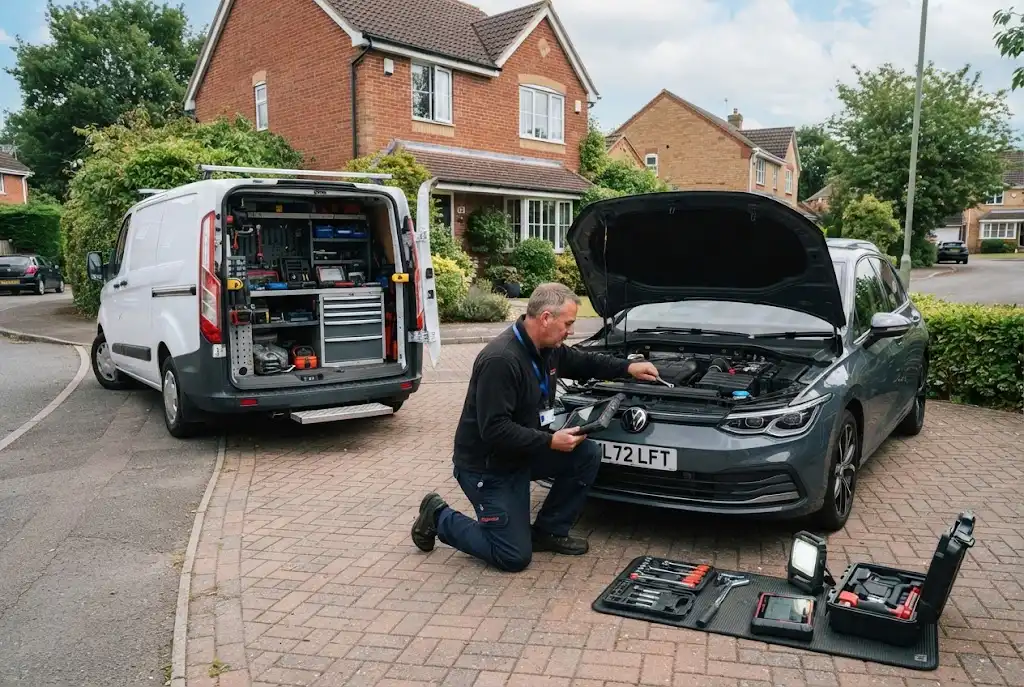
The role of the garage is also changing. A modern auto service garage can support motorists through scheduled servicing, digital records, diagnostic testing and clearer communication about future maintenance requirements.
Instead of simply repairing a failed component, technicians can explain the condition of other relevant systems and identify work that may require attention later. This gives the customer more information when planning future expenditure.
Effective communication is particularly important. Customers should be able to distinguish between work that requires immediate attention and maintenance that can reasonably be scheduled for a later date.
This approach can create a more useful relationship between the motorist and workshop. The garage becomes part of a long-term service strategy rather than simply a destination used when something breaks.
Vehicle Maintenance and Long-Term Value
Regular maintenance can also contribute to the long-term condition of a vehicle. A car that has been properly serviced and maintained may be easier to assess when the owner eventually decides to sell or replace it.
Service documentation can provide evidence of how the vehicle has been cared for. More importantly, consistent maintenance helps owners remain aware of the vehicle’s condition throughout its useful life.
Long-term value should not be reduced to resale price alone. Reliability, safety, convenience and predictable running costs all contribute to the value a motorist receives from continued ownership.
Maintenance Analytics and the Future of Servicing
Maintenance analytics could become increasingly relevant as vehicles generate more digital information. Data from diagnostic systems, service histories and connected vehicle technologies may help workshops identify patterns and make servicing decisions more efficiently.
For automotive businesses, this creates opportunities to improve service planning and workshop efficiency. For customers, better information could make maintenance recommendations easier to understand and schedule.
However, technology should remain a tool rather than the entire strategy. Accurate diagnosis still depends on appropriate equipment, technician expertise and professional judgement. The best maintenance systems combine useful data with real-world inspection and experience.
Making Vehicle Maintenance Part of an Ownership Strategy
Vehicle maintenance works best when it becomes part of normal ownership rather than an occasional response to mechanical trouble. Drivers can establish a simple routine around manufacturer recommendations, professional servicing, visual checks and prompt investigation of unusual symptoms.
Those who want a broader approach can also consider auto care services as part of a complete vehicle ownership strategy. This can bring routine maintenance, condition checks and other aspects of vehicle care into one organised plan.
The goal is not to spend unnecessarily. Instead, it is to understand what the vehicle needs, when it needs it and why the work matters.
The Future of Preventive Vehicle Maintenance
Preventive maintenance is likely to become increasingly data-driven as vehicle technology develops. Digital service records, improved diagnostics and predictive systems can give motorists and technicians more information about vehicle condition.
At the same time, the fundamentals will remain familiar. Tyres need attention, braking systems need inspection, fluids and filters require appropriate servicing, and mechanical and electronic faults need accurate diagnosis.
For drivers, the most effective strategy is therefore a balanced one: follow appropriate maintenance schedules, monitor the vehicle between services, respond to warning signs and use professional expertise when required.
Ultimately, vehicle maintenance is less about preventing every possible problem and more about managing ownership intelligently. Consistent preventive care can support reliability, improve financial planning and help motorists make better decisions about their vehicles over the long term.