Vehicle ownership is changing as drivers face new technologies, evolving mobility options, rising maintenance considerations and increasingly digital ways to manage their cars. While the basic responsibilities of owning a vehicle remain familiar, modern motorists have more information and more choices than previous generations.
Owning a car is therefore about more than simply buying a vehicle and keeping it fuelled. Maintenance planning, reliability, running costs, technology and future mobility can all influence whether a vehicle remains practical and worthwhile over time. Understanding these factors can help drivers make smarter decisions throughout the ownership journey.
What Does Vehicle Ownership Involve?
Vehicle ownership includes the financial, practical and maintenance responsibilities associated with keeping a car. These responsibilities can include servicing, repairs, insurance, taxation, fuel or charging, tyres, inspections and other running costs.
However, ownership also involves decisions about how long to keep a vehicle, when to repair or replace components and whether a particular car continues to meet changing needs.
A sensible ownership strategy takes these considerations together rather than focusing exclusively on the purchase price.
Why Vehicle Ownership Is Evolving
The automotive market is changing rapidly. Cars now incorporate sophisticated electronic systems, connected technology and increasingly advanced driver-assistance features. At the same time, electric and hybrid vehicles have expanded the range of options available to motorists.
Consumer expectations are changing too. Drivers increasingly value convenient servicing, digital communication, transparent pricing and flexible ways to access automotive support.
These developments do not eliminate traditional vehicle ownership responsibilities. Instead, they change how owners manage them and what information they may need when making decisions.
Maintenance Planning Is Central to Vehicle Ownership
Good maintenance planning can make vehicle ownership more predictable. Rather than waiting for a breakdown or serious fault, owners can keep track of scheduled servicing and pay attention to signs of wear or deterioration.
Maintenance planning should reflect the manufacturer’s recommendations as well as the vehicle’s actual use and condition. A car that spends most of its time in urban traffic may experience different demands from one that regularly travels long motorway distances.
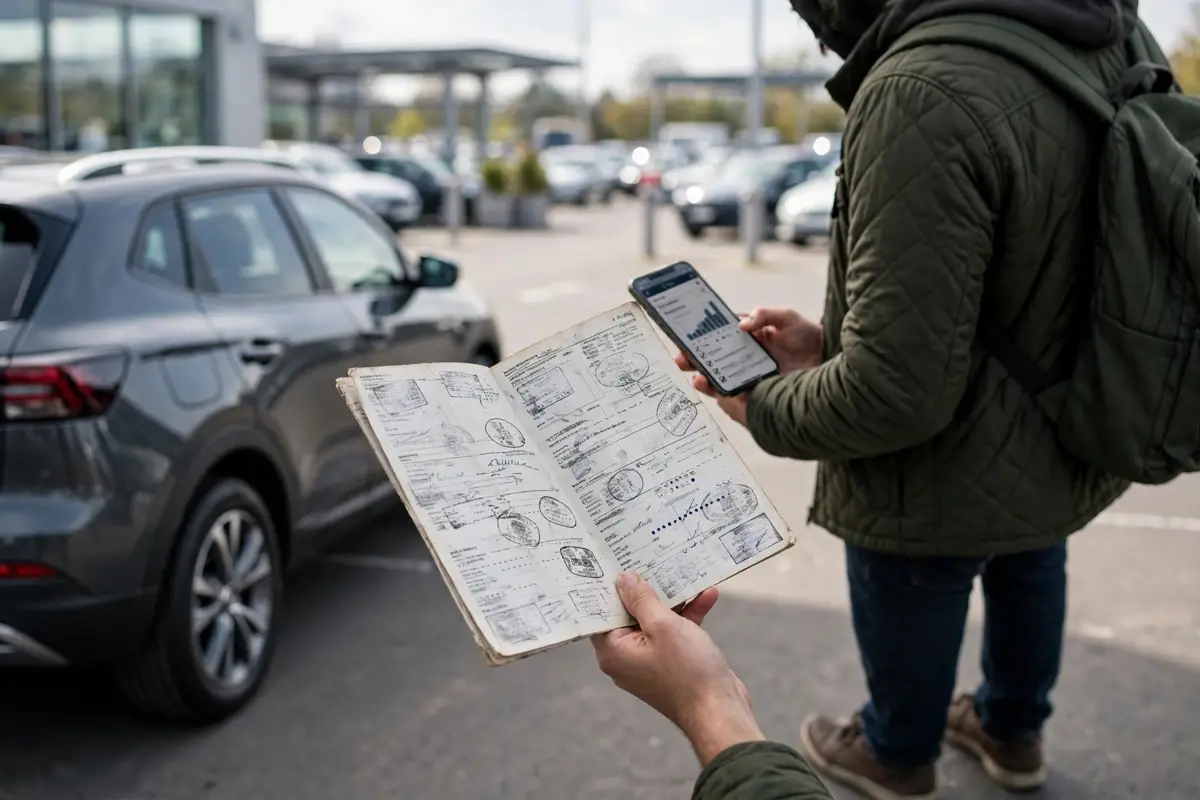
Keeping service records also helps owners understand what has already been completed and what may need attention in the future.
Plan for Routine Maintenance
Routine servicing should form part of the ownership calendar. Drivers can record service dates, mileage and significant maintenance work so that future requirements are easier to anticipate.
This does not mean every possible repair should be scheduled years in advance. Instead, the aim is to maintain a clear overview and respond appropriately as the vehicle’s condition changes.
Allow for Unexpected Repairs
Even a well-maintained vehicle can experience unexpected problems. Components can fail, accidents can cause damage and wear can sometimes progress faster than anticipated.
Including a contingency in an ownership budget can therefore make unexpected repair costs easier to manage.
Vehicle Reliability and Long-Term Decisions
Reliability is an important consideration when deciding whether to keep, repair or replace a vehicle. A car that is regularly maintained and remains dependable may continue to provide good value even as it becomes older.
On the other hand, repeated major repairs can change the economics of ownership. The decision should not be based on one repair bill alone. Owners should consider the vehicle’s overall condition, expected future maintenance, usefulness and alternatives.
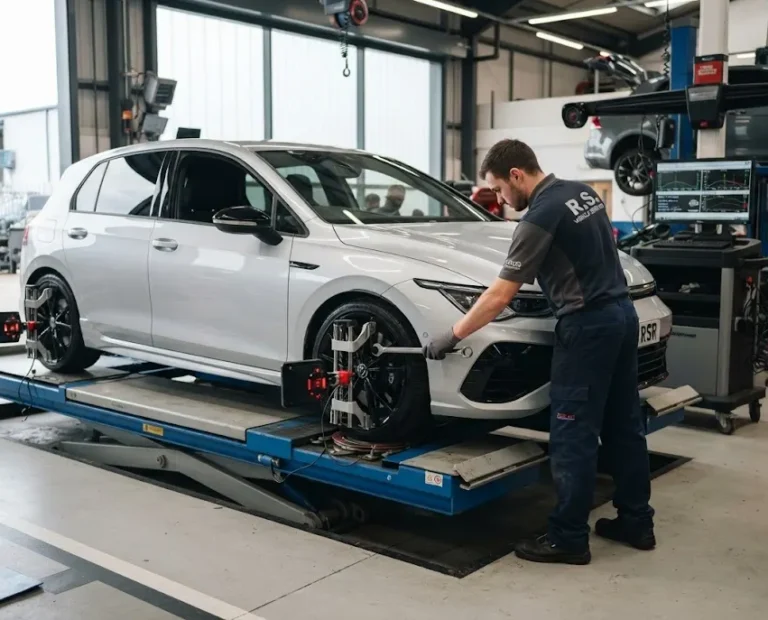
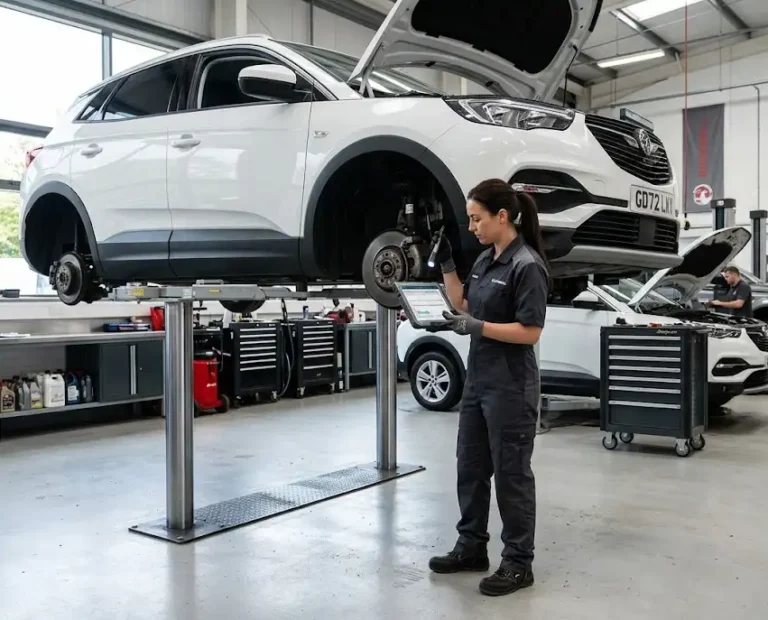
Understanding the difference between normal maintenance and developing mechanical problems can also improve decision-making. Regular auto inspection services can provide additional information about vehicle condition and help identify issues that may require attention.
The Role of Digital Ownership
Technology is becoming increasingly important in how drivers manage their vehicles. Digital booking systems, electronic service records, vehicle apps and diagnostic tools can make information easier to access.
Connected vehicles may also provide drivers with additional information about vehicle systems and maintenance requirements. However, digital information should be treated as part of the overall picture rather than a replacement for professional assessment.
A warning notification can tell a driver that something requires attention, but it may not explain the underlying cause or the appropriate repair.
How Smart Technology Can Influence Ownership Strategy
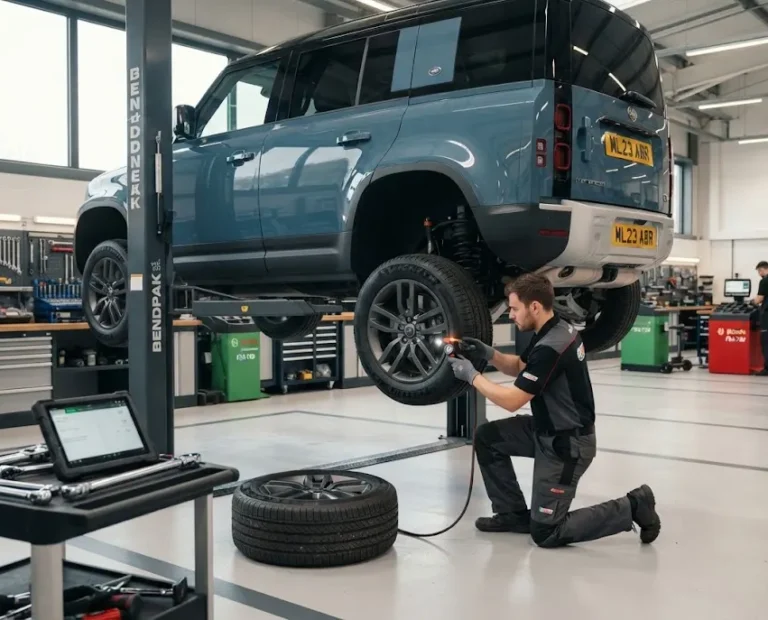
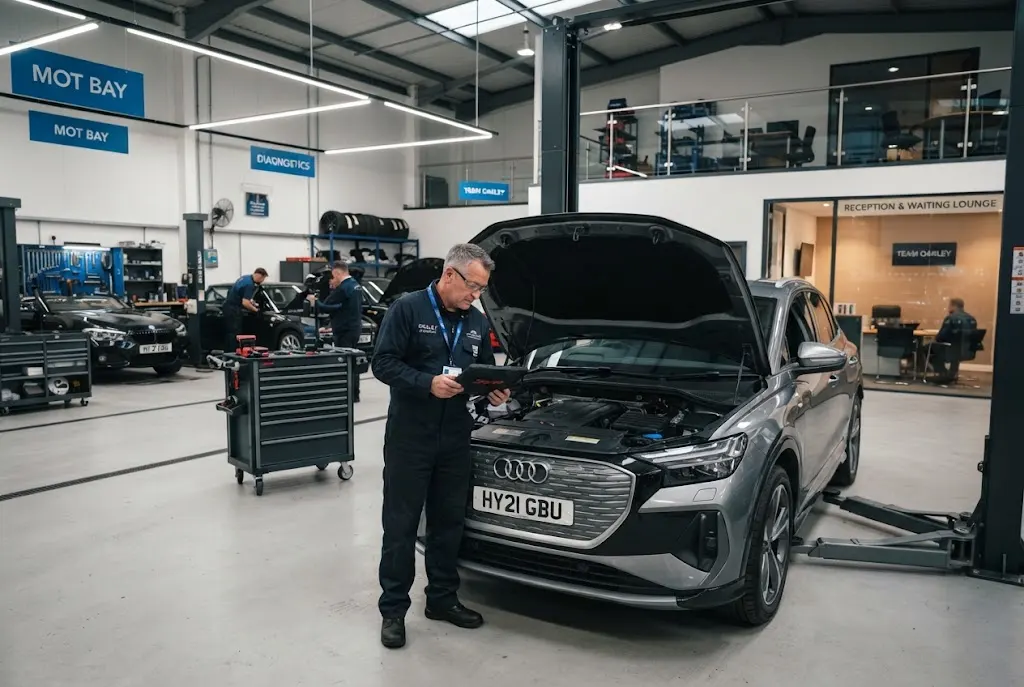
Modern vehicles can provide more information than ever before. Sensors and electronic systems can monitor different aspects of vehicle operation, while diagnostic technology can help technicians investigate faults.
For owners, the advantage is potentially better information when making maintenance decisions. Instead of relying entirely on visible symptoms, drivers and technicians may have additional data to consider.
Nevertheless, technology does not remove the need for practical vehicle care. Tyres still need appropriate attention, mechanical components still wear and servicing requirements still need to be followed.
Vehicle Ownership and the Cost of Maintenance
Running costs are an important part of long-term ownership. Fuel or charging costs are visible expenses, but maintenance and repair costs can be less predictable.
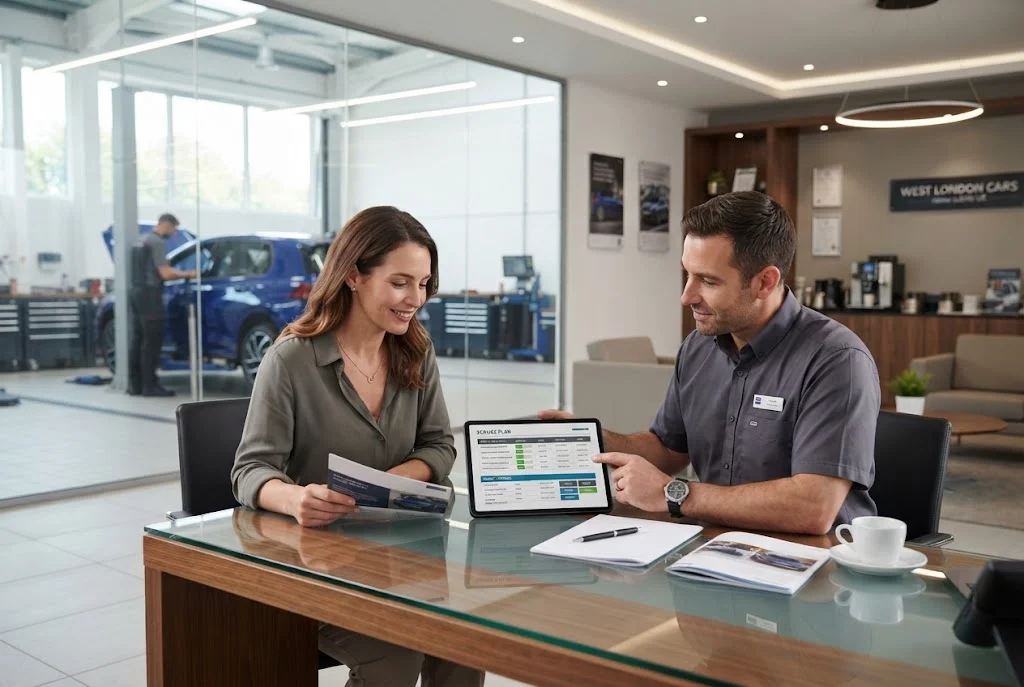
The price of servicing can vary according to the vehicle, work required, parts, labour and location. Drivers considering their long-term ownership budget can learn more about car service cost and the factors that influence servicing prices.
Thinking about maintenance as an ongoing cost rather than an occasional surprise can help owners make more realistic decisions about their vehicles.
Choosing Between Repair and Replacement
There comes a point for some vehicles when owners need to decide whether continued repairs make sense. There is no universal mileage or age at which a car should automatically be replaced.
Instead, consider the vehicle’s current condition, recent repair history, expected maintenance, reliability and how well it meets your needs.
A relatively inexpensive repair may be sensible if the rest of the vehicle is in good condition. Conversely, a vehicle requiring repeated expensive work may prompt a closer look at replacement options.
The important point is to make the decision using the broader ownership picture rather than reacting to a single expense.
Future Mobility and Changing Ownership Models
The future of mobility may provide drivers with more choices about how they access transport. Traditional private ownership is likely to remain important, but alternatives such as leasing, subscription models, car sharing and other mobility services may influence consumer decisions.
These models can appeal to people who value flexibility or want to avoid certain responsibilities associated with long-term ownership. However, each model involves different financial and practical considerations.
For people who continue to own vehicles, the growing range of mobility options may make ownership decisions more deliberate. Drivers can compare how a vehicle fits their lifestyle rather than assuming that ownership is automatically the only practical solution.
How Consumer Behaviour Is Changing
Drivers are becoming more accustomed to researching products and services before making decisions. The same behaviour increasingly applies to vehicle maintenance and ownership.
Owners can compare service options, research common maintenance requirements and use digital tools to organise appointments. They may also expect clearer communication from automotive businesses about pricing, repairs and vehicle condition.
This shift places greater emphasis on transparency. A service provider that explains what was checked, what was found and what should happen next can make ownership decisions easier for customers.
Mobile Services and the Future of Convenience
Convenience is another important part of the changing ownership experience. Mobile mechanics can bring selected maintenance and repair services closer to the customer, reducing the need for some workshop visits.
Our guide to mobile auto service explores how this model is developing and why on-demand vehicle support appeals to modern drivers.
Mobile servicing will not be suitable for every job. Complex repairs may still require workshop facilities, specialist equipment or additional testing. Nevertheless, it demonstrates how vehicle services can adapt to changing expectations.
Preventive Care and Vehicle Longevity
Owners who want to keep a vehicle for longer should take a proactive approach to maintenance. Preventive care does not guarantee that a car will remain fault-free, but it can help owners identify and address developing problems appropriately.
Routine maintenance can also help preserve the condition of important components. Combined with good driving habits and timely professional advice, this can support a longer and more predictable ownership experience.
For a broader look at maintenance routines, auto care services provide a useful framework for understanding how servicing, inspections, diagnostics and other forms of vehicle care fit together.
Vehicle Ownership in an Increasingly Digital Automotive World
The relationship between drivers and their vehicles is becoming more digital. From online service bookings to connected vehicle systems, technology is changing how owners receive information and arrange support.
This can make vehicle management more convenient, but it also means drivers may encounter more technical information than before. Understanding when professional guidance is needed remains important.
The best ownership strategy combines useful technology with practical judgement. Digital tools can improve access to information, while qualified professionals can interpret technical problems and recommend appropriate action.
Making Smarter Vehicle Ownership Decisions
Smart ownership does not necessarily mean buying the newest or most technologically advanced car. It means choosing and maintaining a vehicle that fits the owner’s needs, budget and expected usage.
Before making major decisions, consider how frequently the vehicle is used, what journeys it handles, expected maintenance requirements and whether its current capabilities remain suitable.
Owners should also avoid making decisions based entirely on short-term costs. A cheaper vehicle to purchase may have different maintenance or running expenses, while a more expensive option may offer benefits that matter over a longer ownership period.
Preparing for the Future of Vehicle Ownership
The future of vehicle ownership is likely to involve greater technological integration, changing mobility options and more personalised approaches to vehicle maintenance. Drivers will have access to more information and potentially more ways to arrange automotive services.
Yet the fundamentals will remain important. Vehicles need appropriate maintenance, safety checks and repairs regardless of how sophisticated their technology becomes.
Owners who keep accurate records, understand their vehicle’s requirements and plan ahead will be better positioned to adapt as automotive technology and consumer expectations continue to change.
Final Thoughts on Vehicle Ownership
Vehicle ownership is becoming a more information-driven experience. Maintenance planning, reliability, digital tools, service convenience and changing mobility options all influence how drivers manage their cars.
The most effective ownership strategy is not simply about minimising every expense. It is about balancing reliability, safety, convenience, maintenance requirements and long-term value.
By understanding the condition of their vehicle, planning maintenance and making decisions based on actual needs, drivers can approach ownership with greater confidence. As automotive technology continues to evolve, that practical and informed approach will remain just as important as ever.