Vehicle maintenance is a fundamental part of responsible car ownership. While many drivers associate maintenance with an annual service or fixing something after it fails, a smarter approach looks at the vehicle continuously. Regular checks, preventive maintenance, sensible planning and timely professional attention can all contribute to a more reliable and predictable ownership experience.
Modern vehicles also require a broader understanding of maintenance than older cars. Electronic systems, advanced safety features, different powertrains and increasingly sophisticated diagnostics have changed how faults are identified and how maintenance decisions are made.
For UK motorists, effective maintenance is therefore about more than following a calendar reminder. It means understanding the manufacturer’s schedule, paying attention to changes in vehicle behaviour and making informed decisions about repairs and future ownership.
What Is Vehicle Maintenance?
Vehicle maintenance covers the routine checks, inspections, servicing and replacement of components required to keep a vehicle in appropriate operating condition. It can include planned work recommended by the manufacturer as well as everyday checks carried out by the owner.
Maintenance can range from simple tasks, such as checking tyre condition, to professional work involving specialist diagnostic equipment. The exact requirements depend on the vehicle, its age, mileage, powertrain and usage.
The central principle is straightforward: maintenance should be planned around the vehicle’s actual requirements rather than treated as a one-size-fits-all process.
Why Vehicle Maintenance Matters
A vehicle contains many components that experience wear, heat, friction and changing operating conditions. Ignoring maintenance requirements can allow small issues to develop without attention.
A structured maintenance approach can help drivers:
- Keep track of scheduled maintenance requirements.
- Identify visible problems at an earlier stage.
- Plan predictable servicing expenses.
- Maintain confidence in the vehicle’s condition.
- Make better-informed repair decisions.
- Understand how maintenance fits into long-term ownership.
Maintenance does not eliminate the possibility of breakdowns or unexpected faults. Instead, its purpose is to manage known requirements and reduce avoidable risks wherever reasonably possible.
Vehicle Maintenance and Preventive Care
Preventive maintenance focuses on dealing with known or foreseeable maintenance requirements before they become more serious. It is different from waiting for a component to fail before taking action.
For example, a driver who notices an unusual tyre wear pattern can investigate it rather than waiting until the tyre becomes unsafe. Similarly, a dashboard warning should normally be investigated instead of being ignored because the vehicle still appears to drive normally.
Preventive care should not mean replacing everything early. Good maintenance decisions balance the manufacturer’s recommendations, the condition of the component and the likely consequences of delaying the work.
This makes prevention a decision-making strategy rather than simply a list of parts to replace.
Understanding Maintenance Schedules
Every vehicle has its own maintenance requirements. Manufacturers may specify intervals based on time, mileage or a combination of both.
Drivers should use the vehicle handbook and official manufacturer information as the primary reference for scheduled maintenance. Generic advice can be useful for understanding the principles of vehicle care, but it should not replace vehicle-specific requirements.
Driving conditions can also influence maintenance considerations. A car that spends most of its time in congested urban traffic may experience different operating conditions from one that regularly travels long distances.
Keeping a written or digital maintenance record makes these schedules easier to manage. It can show when previous servicing was completed and help identify what may be approaching its next interval.
What Should Drivers Check Between Services?
Professional servicing is important, but drivers should not rely entirely on the next garage appointment. Simple observations between services can help identify changes that deserve attention.
Tyres
Drivers should regularly check tyre condition and inflation. Uneven wear, visible damage or other unusual changes should be investigated promptly.
Fluids
Depending on the vehicle, owners may need to monitor relevant fluid levels according to the manufacturer’s guidance. Unexplained fluid loss can also indicate a potential problem that requires professional investigation.
Lights
Headlights, brake lights, indicators and other exterior lighting are important for visibility and communication with other road users. A failed light should not simply be left until the next scheduled service.
Warning Lights
Dashboard warning lights provide information about vehicle systems. Their significance varies, so drivers should consult the vehicle documentation and seek appropriate professional advice when required.
Unusual Sounds and Behaviour
New noises, changes in braking, steering, acceleration or vehicle vibration can all provide useful clues. A problem does not necessarily mean an immediate major repair, but unexplained changes are worth investigating.
How Vehicle Maintenance Supports Reliability
Reliability is influenced by vehicle design, age, mileage, driving conditions and maintenance history. No maintenance plan can guarantee that a component will never fail, but structured care can help owners manage predictable requirements.
For example, following scheduled maintenance can reduce uncertainty about when certain maintenance items are due. Keeping records can also help technicians understand the vehicle’s history when investigating a new problem.
Reliability should therefore be viewed as an ongoing ownership objective rather than something that can be guaranteed by a single service appointment.
Vehicle Maintenance and Car Servicing
Servicing is an important part of the wider maintenance process, but the two terms are not interchangeable.
A service is a planned maintenance appointment that follows a particular schedule or service specification. Vehicle maintenance is the broader concept that includes servicing, owner checks, preventive work and repairs required to keep the vehicle in appropriate condition.
Our dedicated guide to car servicing explains the differences between interim, full and major servicing and looks at how servicing has evolved.
Thinking about maintenance in this wider way helps drivers avoid the assumption that a vehicle only needs attention when its next service date arrives.
When Maintenance Becomes a Repair
Preventive maintenance and repairs often overlap. An inspection may identify a worn or damaged component that needs to be replaced, turning a routine maintenance visit into a repair decision.
When this happens, drivers should ask what has been identified, how urgent the work is and what could happen if it is delayed. A clear diagnosis can help separate essential work from recommendations that may be considered later.
For more information about evaluating faults, repair costs and workshop decisions, see our guide to auto repair services.
Taking this approach can make repair decisions less stressful because the owner has a clearer understanding of why the work has been recommended.
How to Plan Vehicle Maintenance Costs
Maintenance becomes easier to manage when predictable expenses are separated from unexpected repairs. Drivers can use the service schedule and previous records to anticipate routine work.
It is also sensible to consider the age and mileage of the vehicle. An older car may require more frequent attention to wear-related components, while a newer vehicle may have different maintenance considerations.
Rather than looking only at the cost of an individual job, owners can consider its place within the vehicle’s expected future. A reasonable maintenance expense may make sense if the vehicle is otherwise reliable and the owner plans to keep it for several more years.
Conversely, repeated major repairs on an older vehicle may prompt a wider ownership decision.
Vehicle Maintenance and Long-Term Value
Maintenance decisions can influence the long-term value and usability of a vehicle. A well-documented history gives owners a clearer record of how the car has been cared for.
This can be useful when selling or trading a vehicle, although maintenance history is only one factor that affects a vehicle’s market value.
For owners who intend to keep a vehicle for many years, maintenance records also provide practical value. They reduce uncertainty and help prevent duplicated or forgotten maintenance work.
Smart Maintenance for Different Types of Vehicles
Not every vehicle should be maintained in exactly the same way. Petrol and diesel vehicles have different mechanical characteristics, while hybrid and electric vehicles introduce additional considerations.
Electric vehicles, for example, do not have the same conventional engine maintenance requirements as petrol or diesel cars. However, they still require attention to tyres, brakes, suspension, steering, fluids where applicable and other components relevant to roadworthiness and safe operation.
Hybrid vehicles combine technologies and may have maintenance requirements that differ from both conventional vehicles and fully electric models.
This is another reason vehicle-specific guidance matters. Owners should follow the manufacturer’s maintenance information rather than assuming that advice designed for another type of vehicle applies automatically.
Technology and Predictive Servicing
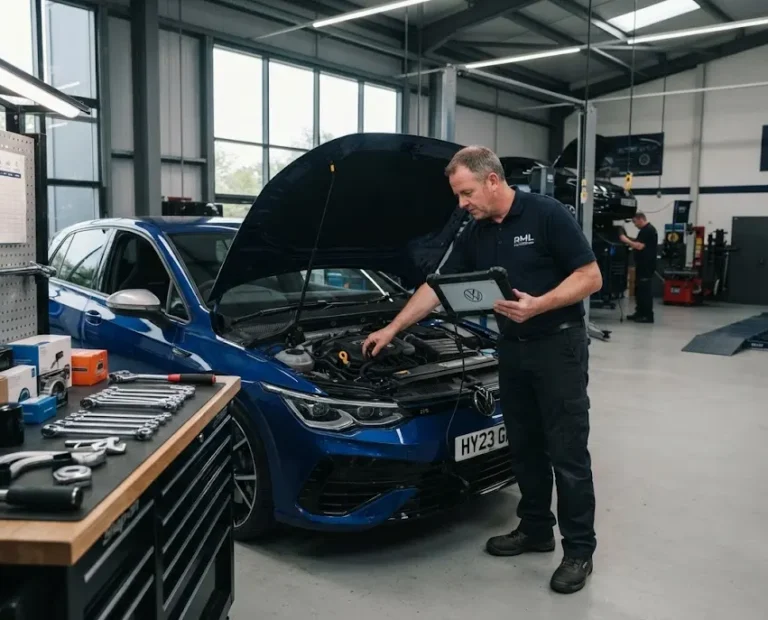
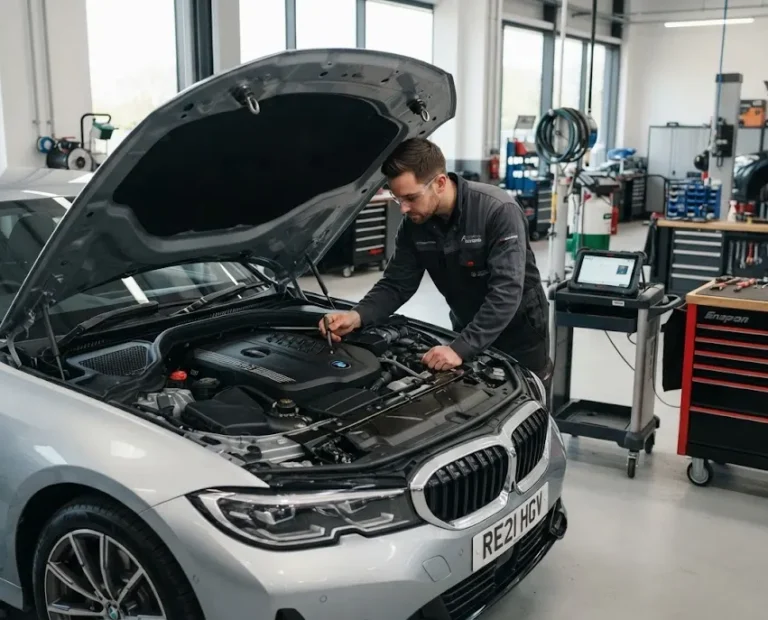
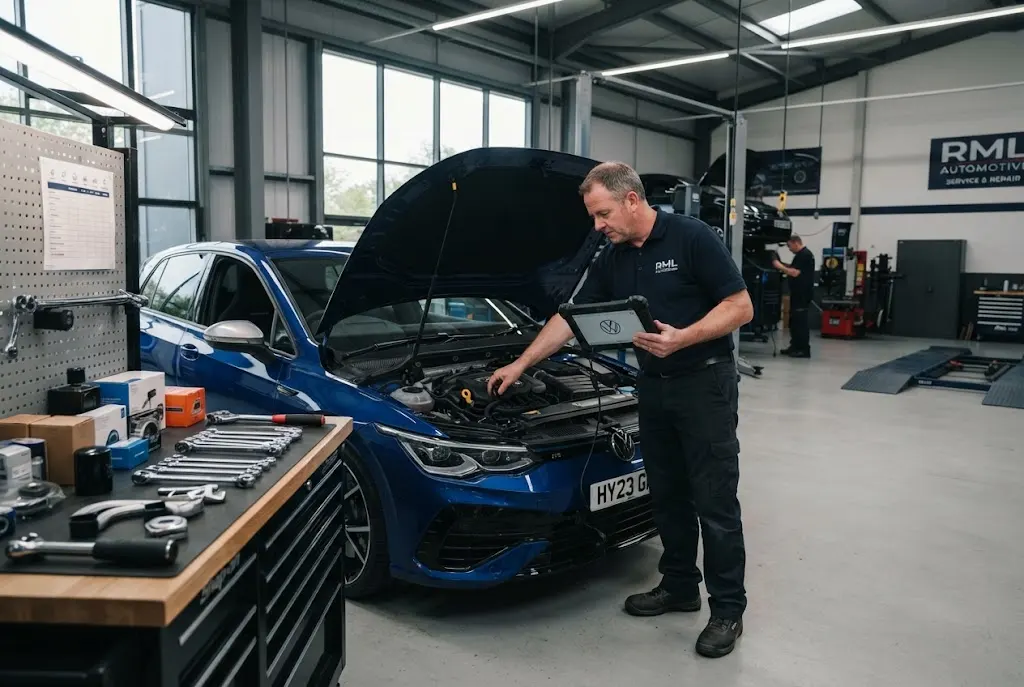
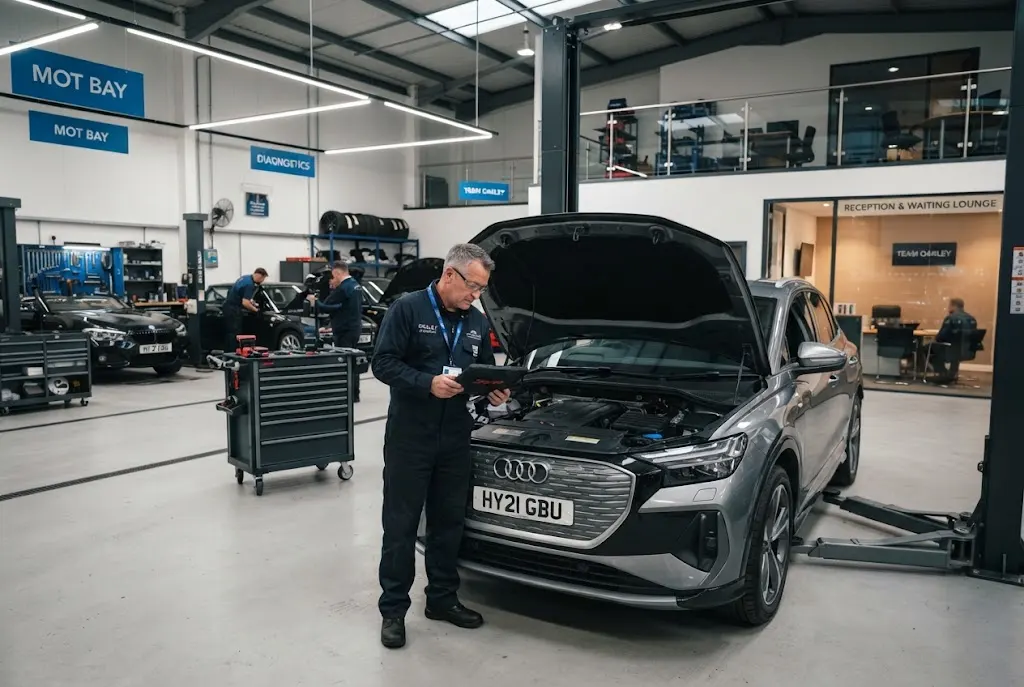
Modern vehicle technology is creating new possibilities for maintenance planning. Diagnostic systems can provide technicians with information about electronic systems and stored fault data, while connected vehicles may provide drivers with increasingly detailed maintenance information.
Predictive servicing takes the concept further by using available vehicle data to identify potential maintenance needs before a problem becomes obvious.
Technology can make maintenance more proactive, but it does not remove the need for professional judgement. Diagnostic information needs to be interpreted correctly, and physical inspection remains important for many mechanical issues.
The future of automotive maintenance is therefore likely to combine data, diagnostic technology and practical technical expertise.
MOT and Vehicle Maintenance
An MOT is an important part of vehicle compliance in the UK, but it should not be considered a substitute for routine maintenance.
The MOT assesses specified aspects of a vehicle’s roadworthiness and environmental performance at the time of the test. Maintenance, on the other hand, is an ongoing process designed to keep the vehicle in suitable condition.
This means a vehicle can pass an MOT while still being due for servicing or requiring maintenance that falls outside the scope of the test.
Drivers who want to understand the relationship between the two can read our guide to MOT and service.
For current MOT information, motorists can also use the official GOV.UK MOT status service.
Building a Practical Maintenance Plan
A useful maintenance plan should be simple enough to follow consistently. Drivers can begin by recording the date and mileage of each service and keeping documentation for significant repairs.
It can also help to divide maintenance into three broad areas:
- Routine checks: Items that can be visually or practically monitored between professional appointments.
- Scheduled maintenance: Work specified by the manufacturer at particular intervals.
- Unplanned repairs: Work required when a fault, failure or unexpected issue develops.
This structure gives owners a clearer picture of what is happening with their vehicle and prevents all automotive expenses from being treated as the same type of cost.
Common Vehicle Maintenance Mistakes
Even simple maintenance plans can fail if drivers overlook basic principles. One common mistake is waiting for a warning light before paying attention to the vehicle. Some maintenance requirements are scheduled before a problem becomes visible.
Another mistake is assuming that passing an MOT means the vehicle needs no further attention. The MOT and routine maintenance serve different purposes.
Ignoring service records can also create unnecessary uncertainty. Without documentation, owners may not know when previous work was completed or whether a particular component has already been replaced.
Finally, choosing maintenance work based solely on the lowest price can be risky when technical quality and correct diagnosis are equally important.
The Future of Vehicle Maintenance
Vehicle maintenance is likely to become increasingly connected with digital technology and changing vehicle design. Electric powertrains, connected systems and advanced driver assistance features will continue to influence the skills required within the automotive sector.
At the same time, the fundamental principles of responsible ownership are unlikely to disappear. Vehicles will still require appropriate inspections, attention to wear, safe tyres, functioning braking systems and proper care of their relevant components.
The difference is that future maintenance may become more data-driven, allowing owners and technicians to identify certain issues earlier and plan work more effectively.
Final Thoughts on Vehicle Maintenance
Vehicle maintenance works best when it is treated as an ongoing ownership strategy rather than an occasional response to problems. Scheduled servicing, preventive checks, accurate records and timely repairs all have a place in keeping a vehicle dependable.
For UK drivers, the smartest approach is to follow vehicle-specific maintenance recommendations while remaining attentive to changes in performance and condition. Understanding the difference between maintenance, servicing, repairs and MOT testing also makes it easier to decide what action is appropriate.
As vehicles become more technologically advanced, maintenance will continue to evolve. Drivers who combine professional advice with sensible planning will be better placed to manage costs, reliability and long-term ownership with confidence.