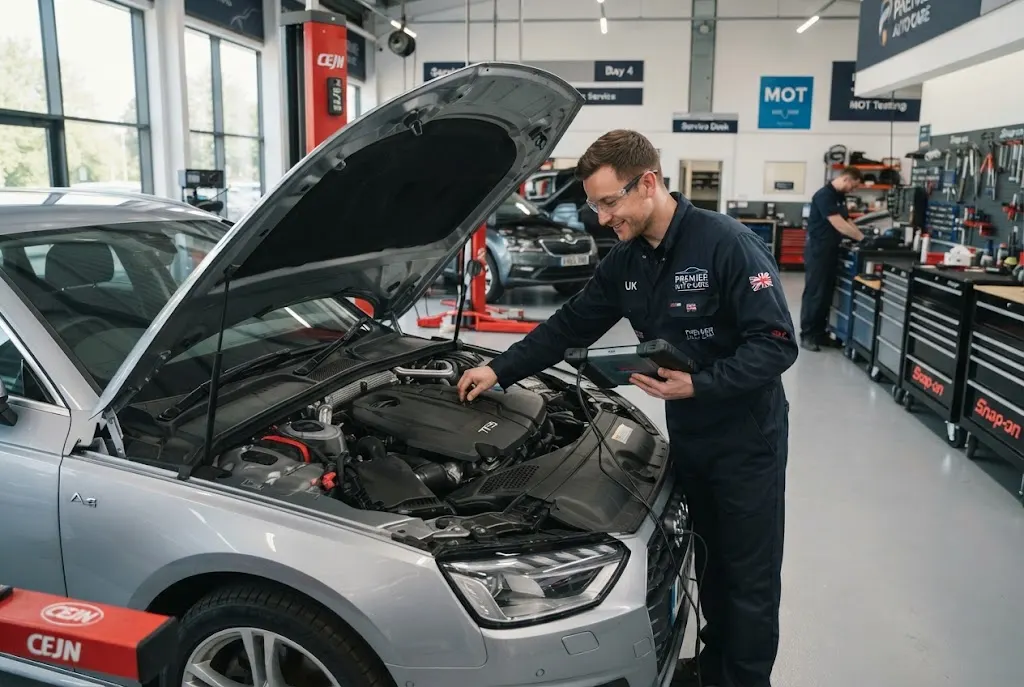
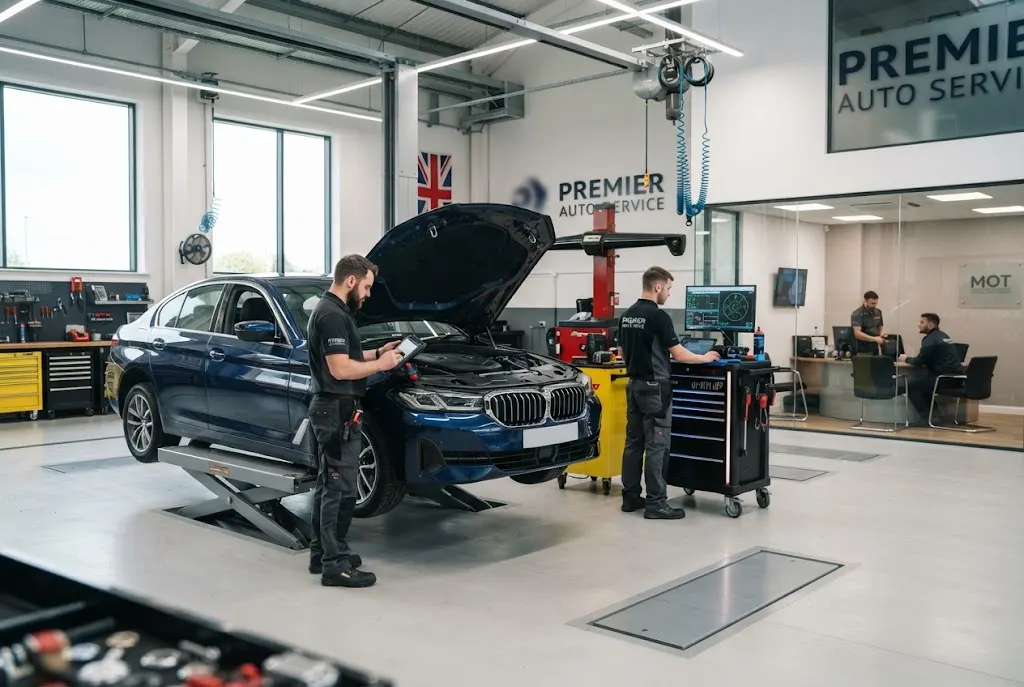
Auto care services are about more than fixing a vehicle when something goes wrong. For modern motorists, effective vehicle care involves preventive attention, sensible maintenance habits, timely servicing and decisions that protect reliability over the long term. Taking this broader approach can help owners understand their vehicles better and make routine ownership more manageable.
While emergency repairs remain an important part of motoring, many aspects of vehicle condition can be addressed before they become serious problems. From regular inspections and fluid checks to tyre care, detailing and scheduled servicing, a structured approach can support both everyday usability and long-term value.
What Do Auto Care Services Include?
Auto care services cover a broad range of activities designed to maintain a vehicle’s condition, appearance, safety and reliability. The exact services required depend on the vehicle, its age, mileage and how it is used.
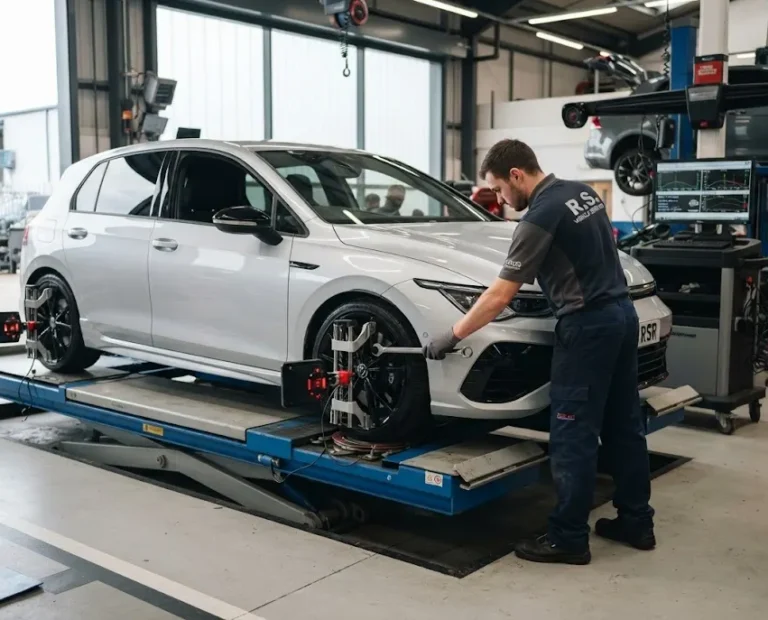
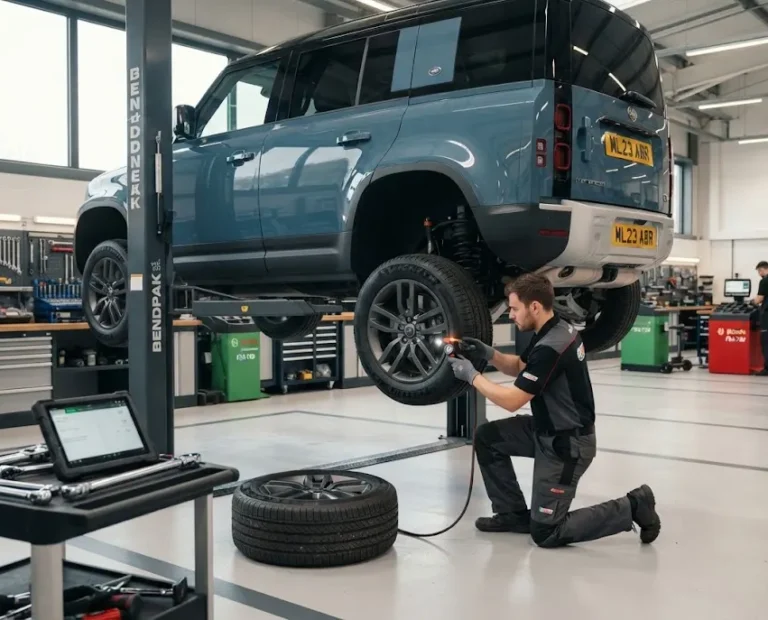
Routine servicing is one of the most familiar forms of vehicle care. However, motorists may also need inspections, tyre-related services, brake checks, fluid maintenance, battery checks, seasonal preparation and other forms of professional attention.
Vehicle appearance can also form part of a wider ownership strategy. Cleaning and detailing do not replace mechanical maintenance, but they can help owners maintain the interior and exterior condition of a vehicle.
The important distinction is that good auto care is not simply about doing more work. It is about identifying appropriate work and completing it at the right time.
Why Preventive Care Matters
Preventive care aims to identify potential concerns before they develop into more disruptive failures. A vehicle does not necessarily provide an obvious warning before every component begins to deteriorate, which is why regular inspections and servicing remain important.
Simple habits can make a difference. Checking tyre pressures, paying attention to warning lights and noticing changes in braking, steering or engine behaviour can help motorists identify issues that deserve further investigation.
Professional inspections provide another layer of protection. A technician can assess components that may not be easy for an owner to evaluate and determine whether something requires immediate attention or can be monitored.
This approach connects closely with vehicle maintenance, where planned servicing and regular checks form the foundation of reliable ownership.
Building Better Maintenance Habits
Good maintenance habits are usually simple and consistent rather than complicated. Owners can begin by keeping track of servicing, repairs and other important work performed on the vehicle.
It is also useful to become familiar with the manufacturer’s maintenance recommendations. These provide a starting point for understanding when particular servicing tasks may be required.
Between professional appointments, motorists can remain alert to changes in the vehicle. Unusual sounds, vibrations, fluid leaks, warning lights or changes in handling should not automatically be ignored simply because the next scheduled service is still some time away.
Developing these habits helps shift vehicle care from a reactive process towards a more organised ownership strategy.
Auto Care Services and Service Planning
Service planning makes it easier to manage vehicle care over time. Instead of treating every maintenance requirement as an unexpected expense, motorists can use service records and manufacturer recommendations to anticipate upcoming work.
Planning is particularly useful for owners who depend heavily on their vehicle for commuting, family responsibilities or business activities. A preventable mechanical problem can create disruption as well as a repair bill, so keeping the vehicle in suitable condition can have practical benefits beyond the workshop invoice.
Good planning should still remain flexible. Vehicles are used in different ways, and their condition can vary. A technician may identify wear that needs attention earlier than expected, while another component may remain in good condition for longer.
The objective is therefore to combine scheduled maintenance with condition-based decisions rather than relying on a rigid checklist alone.
How Detailing Fits Into Vehicle Care
Detailing is often viewed separately from mechanical servicing, but it can still form part of a broader vehicle care routine. Exterior cleaning, paint care and interior detailing can help preserve the appearance of a vehicle.
For owners planning to keep their cars for several years, maintaining appearance can contribute to a better ownership experience. A clean and well-maintained interior can make a vehicle more pleasant to use, while attention to the exterior can help keep the vehicle looking presentable.
However, motorists should keep priorities in the correct order. Appearance-related work should complement, rather than replace, essential mechanical and safety-related maintenance.
When Professional Advice Is Valuable
Not every vehicle care task requires a workshop visit. However, professional advice becomes particularly valuable when a motorist notices an unfamiliar problem or is unsure about the condition of a component.
Experienced technicians can assess symptoms, carry out appropriate diagnostic checks and explain possible repair or maintenance requirements. This can prevent owners from making decisions based solely on assumptions.
A professional garage can also help identify which work is urgent and which tasks can be incorporated into future service planning. This distinction can make vehicle ownership easier to manage financially.
Where a fault has already developed, motorists may need specialist auto repair services to diagnose and resolve the underlying issue.
Choosing the Right Auto Care Provider
The quality of the service provider matters because vehicle care involves both technical decisions and customer communication. Motorists should consider whether a garage explains its recommendations clearly and provides sufficient information before significant work is carried out.
Reputation can also be useful when comparing providers. Reviews and recommendations may help a motorist identify businesses that consistently provide good customer experiences, although they should not be the only factor considered.
Technical capability is equally important. Modern vehicles can involve complex electronic and mechanical systems, so the appropriate equipment and technician expertise can influence the quality of diagnosis and servicing.
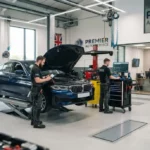
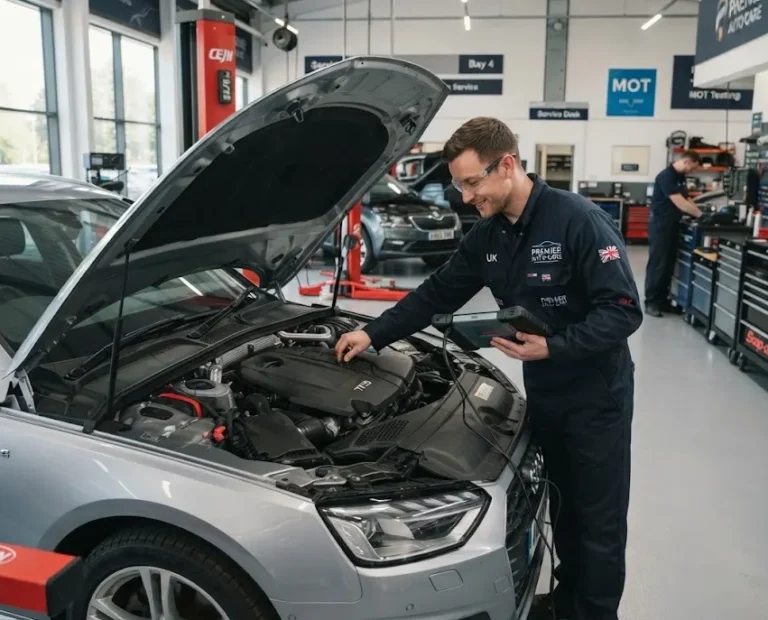
The modern auto service garage increasingly combines traditional mechanical expertise with digital diagnostics, structured service processes and improved customer communication.
Long-Term Vehicle Value and Care
Auto care services can contribute to the broader value of vehicle ownership. A vehicle that receives consistent attention is easier for its owner to monitor, maintain and plan for over time.
Keeping service records is particularly useful. Documentation can provide a clear history of maintenance and repairs, helping owners understand what has already been completed and what may be due in the future.
Long-term value is not limited to resale. A reliable vehicle can provide greater convenience and reduce the uncertainty associated with unexpected breakdowns. For drivers who intend to keep their vehicle for an extended period, maintaining its condition can therefore be an important part of ownership planning.
Adapting Care to Different Vehicles
There is no single maintenance routine that suits every vehicle. A small city car, family SUV, commercial vehicle and high-mileage commuter vehicle can all have different operating demands.
Driving patterns also matter. Frequent short journeys, heavy traffic and demanding loads may affect some aspects of vehicle condition differently from regular longer-distance driving.
Owners should therefore combine manufacturer guidance with professional advice and awareness of their actual usage. This creates a more practical service strategy than following generic maintenance advice without considering the vehicle itself.
Technology Is Changing Vehicle Care
Modern diagnostic systems are making it easier for technicians to investigate certain vehicle problems and monitor electronic systems. As vehicles become more connected and software-dependent, digital information is becoming a more important part of automotive servicing.
This does not make traditional inspection obsolete. Mechanical expertise remains essential because not every issue can be identified through electronic diagnostics alone.
Instead, the future of auto care is likely to combine physical inspection, technician expertise and useful digital information. This can give workshops more information while helping motorists understand their vehicle’s condition.
Auto Care as an Ownership Strategy
Thinking about auto care services as an ownership strategy changes how motorists approach their vehicles. Rather than waiting for a failure, owners can establish a routine that combines scheduled servicing, preventive checks, professional inspections and sensible care between appointments.
This approach can also make financial decisions clearer. When a vehicle’s condition and service history are known, owners have more information when deciding whether to repair, maintain or eventually replace it.
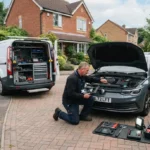
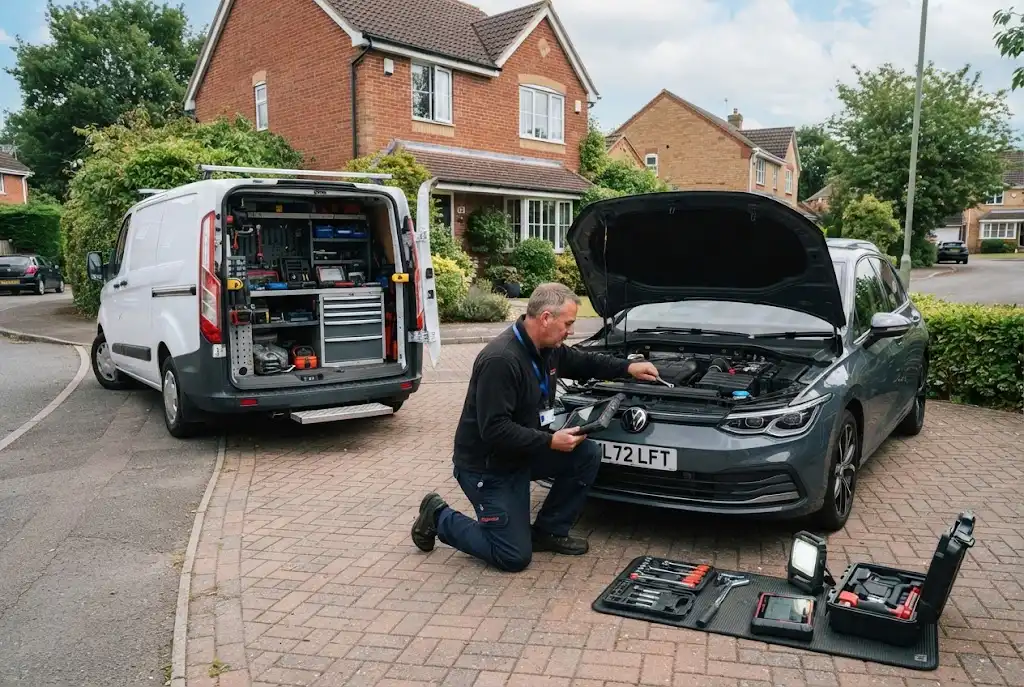
For motorists who value convenience, alternative service models are also becoming relevant. The growth of mobile auto service reflects changing expectations around how and where certain vehicle services are delivered.
The Benefits of Looking Beyond Basic Repairs
Basic repairs are essential, but they represent only one part of responsible vehicle ownership. A broader approach to vehicle care considers reliability, appearance, maintenance, planning and long-term value together.
Drivers do not need to become automotive experts to adopt better habits. Keeping accurate service records, following appropriate maintenance schedules, checking obvious warning signs and seeking professional advice when something changes can provide a strong foundation.
Ultimately, the best auto care strategy is proactive without being excessive. It focuses attention on the vehicle’s actual needs and uses professional expertise where it adds value.
As automotive technology continues to develop, the role of vehicle care will evolve as well. Yet the underlying principle will remain straightforward: consistent, informed care can help motorists maintain their vehicles more effectively and make better decisions throughout the ownership journey.