Auto repair services are an essential part of vehicle ownership, but the economics behind them extend far beyond the price of a replacement part or the hourly rate charged by a workshop. For motorists, repair decisions involve safety, reliability, convenience and long-term ownership costs. For garages, profitability depends on efficient diagnosis, skilled technicians, sensible parts management, customer trust and the ability to deliver consistent service quality.
Understanding these factors helps explain why two apparently similar repairs can have very different costs. It also shows why maintenance planning can be more valuable than simply waiting until a vehicle develops an obvious fault. As the UK automotive sector continues to adapt to changing vehicles and consumer expectations, both motorists and repair businesses are becoming more focused on value rather than price alone.
Why Auto Repair Services Matter to Vehicle Ownership
A vehicle is a long-term financial commitment. Purchase costs are only one part of the overall ownership equation, with insurance, fuel, servicing, tyres, repairs and unexpected mechanical problems also influencing the real cost of keeping a car on the road.
Auto repair services become particularly important as vehicles age or accumulate higher mileage. Components naturally wear, electrical systems can develop faults, and small issues can become more expensive when they are ignored. A sensible repair strategy therefore considers not only what needs fixing today, but also how that repair affects reliability and future maintenance.
This is where regular vehicle maintenance can make a meaningful difference. Routine checks can help identify developing problems before they turn into larger failures, while accurate records allow owners to make better decisions about upcoming work.
Understanding Repair Costs Beyond the Parts Bill
When motorists receive a repair estimate, the final figure can include much more than the replacement component itself. Labour, diagnostic work, specialist equipment, consumables, workshop overheads and the complexity of accessing a particular component can all contribute to the total.
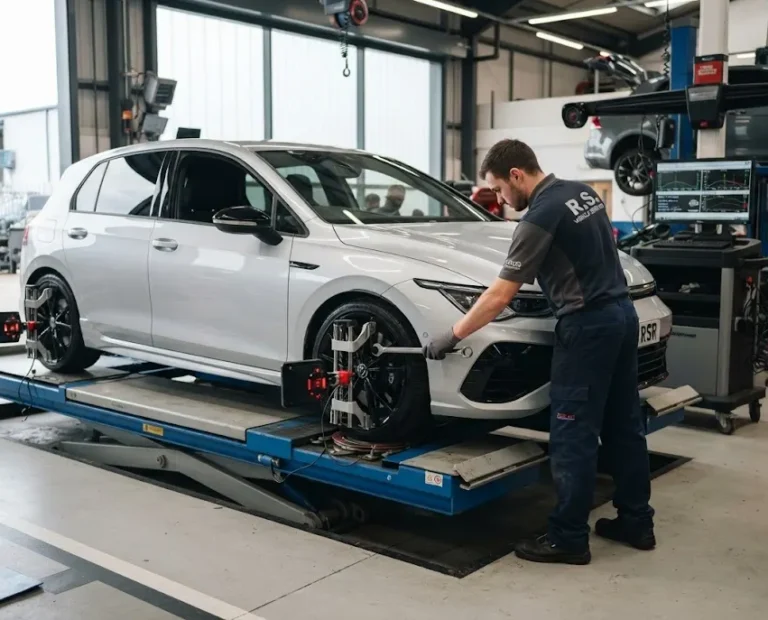
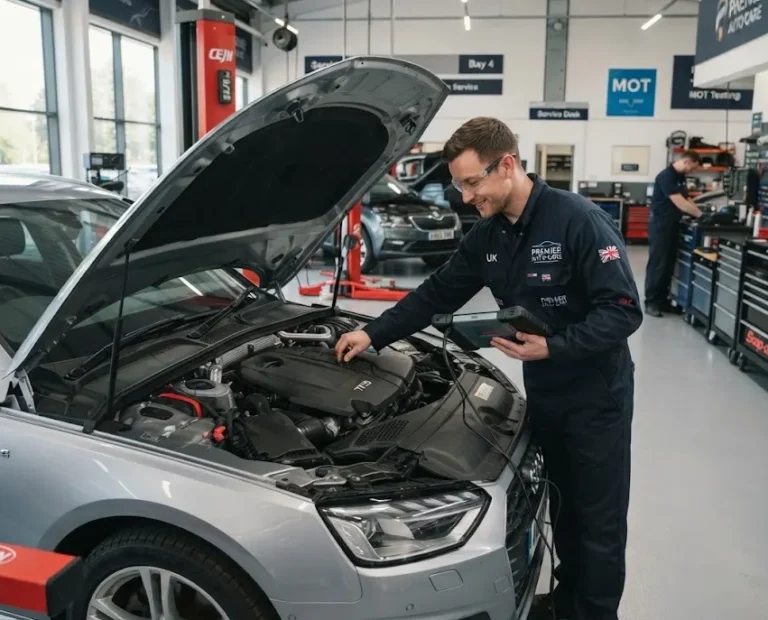
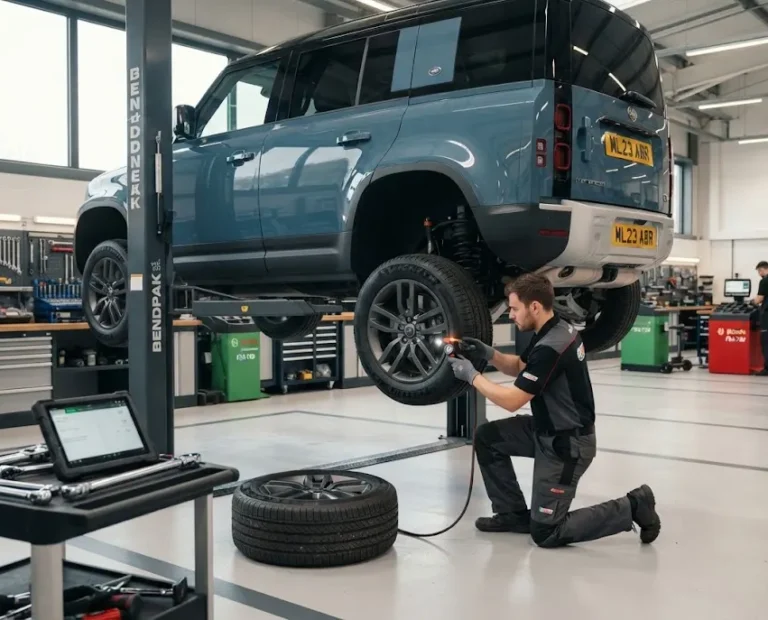
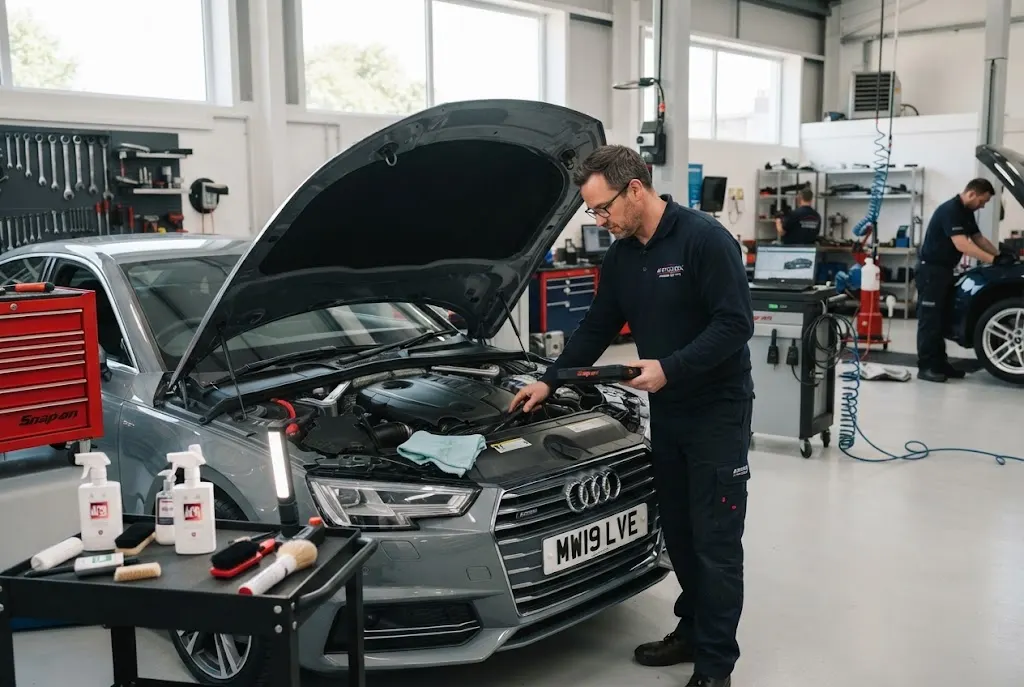
Modern vehicles can also require diagnostic equipment and software capable of identifying faults across increasingly sophisticated electronic systems. A technician may spend considerable time testing a problem before replacing anything. In some cases, that diagnostic expertise is what prevents an unnecessary parts bill.
Parts selection can also influence repair costs. Depending on the vehicle and repair, customers may encounter manufacturer-branded components, aftermarket alternatives or other suitable replacement options. The appropriate choice depends on factors such as compatibility, quality, warranty considerations and the customer’s ownership plans.
For consumers, the cheapest initial quote is therefore not automatically the best value. A lower-priced repair that uses unsuitable components or fails to address the underlying fault may lead to additional expenditure later.
How Workshop Efficiency Influences Prices
Workshop efficiency has a direct relationship with the economics of auto repair services. A garage that manages appointments, diagnostics, parts and technician time effectively can complete work more efficiently while maintaining appropriate quality standards.
Good workshop management begins before a vehicle reaches the service bay. Accurate customer information, clear fault descriptions and appropriate scheduling can help technicians prepare for the job. Parts availability is equally important because a vehicle waiting for a missing component can occupy valuable workshop capacity.
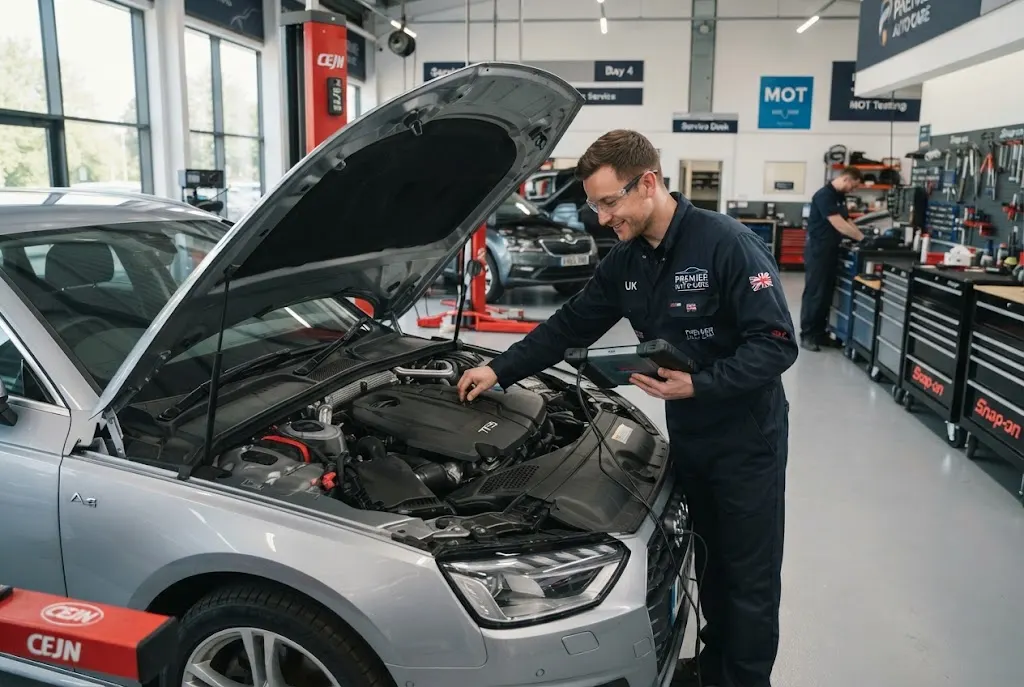
Efficient diagnostic procedures are another important factor. Technicians who can systematically identify faults reduce wasted time and are less likely to replace components unnecessarily. This benefits the workshop while also giving customers greater confidence that they are paying for work that genuinely addresses the problem.
However, efficiency should never mean rushing repairs. High-quality auto repair services balance productivity with proper inspection, accurate diagnosis and careful workmanship.
Consumer Behaviour Is Changing the Repair Market
Consumer behaviour has become an increasingly important part of the automotive repair economy. Drivers are more likely to compare garages, read reviews, request estimates and investigate repair options before approving significant work.
Price remains important, but it is rarely the only consideration. Customers also look at communication, convenience, transparency, availability and perceived expertise. A garage that explains a fault clearly and provides a realistic estimate can build greater trust than one that simply provides the lowest figure.
This shift means service quality has become a commercial advantage. Customers want to understand what has gone wrong, what needs to be repaired and what could happen if the issue is left unresolved.
Clear communication is especially valuable when a repair becomes more complicated than initially expected. Providing an updated explanation and seeking appropriate approval before carrying out additional work can help prevent disputes and strengthen the customer relationship.
Maintenance Planning Can Reduce Financial Pressure
Maintenance planning changes the economics of vehicle ownership by making expenditure more predictable. Instead of treating every repair as an unexpected event, motorists can plan routine servicing, inspections and likely replacement items around the vehicle’s age, mileage and usage.
The manufacturer’s maintenance recommendations provide an important starting point, while the vehicle’s actual condition and driving pattern may also influence servicing requirements. Drivers who cover high annual mileage, regularly tow loads or frequently make short journeys may have different maintenance considerations from those who use a vehicle occasionally.
Good planning does not eliminate unexpected repairs, but it can reduce the likelihood of avoidable problems and make ownership costs easier to manage. It also helps motorists distinguish between essential safety-related work and improvements that can reasonably be scheduled for later.
The UK’s official vehicle maintenance guidance highlights the importance of keeping essential systems such as brakes, lights, steering, tyres and other safety-related components in proper condition.
Repair Strategy Should Reflect the Vehicle’s Future
A sensible repair strategy considers the remaining ownership period as well as the immediate fault. Spending money on a vehicle that is expected to remain in service for several more years can be justified when the repair restores reliability and prevents further deterioration.
On the other hand, owners considering replacing a vehicle may approach major repairs differently. That does not mean safety-related faults should be ignored. Rather, it means repair decisions should be evaluated within the broader financial picture.
For example, a relatively modest repair that restores an otherwise reliable vehicle may represent strong value. A series of increasingly expensive repairs on an older vehicle may require a more careful assessment of its overall condition and future running costs.
Service Quality Is an Economic Factor
Service quality affects both customer satisfaction and the long-term economics of a repair business. A technically correct repair can still create a poor customer experience if communication is unclear, deadlines are missed or charges are unexpected.
Reliable garages therefore compete on more than mechanical capability. They also compete through communication, transparency, workmanship and consistency. These factors influence repeat business and recommendations, which can be particularly valuable for independent automotive businesses.
From the customer’s perspective, service quality can reduce the risk associated with choosing a repair provider. A garage that provides clear explanations, realistic expectations and appropriate documentation gives motorists greater confidence in the work being performed.
Where Industry Insights Meet Consumer Value
Looking at auto repair services from an industry perspective reveals a market shaped by several competing pressures. Workshops need to control costs and use technician time efficiently, while motorists want fair prices and dependable repairs. At the same time, modern vehicles are becoming more technologically complex.
This creates opportunities for businesses that invest in diagnostic capability, technician training, efficient processes and customer communication. It also encourages consumers to become more informed when comparing repair options.
Industry changes can also influence the balance between traditional mechanical repairs and electronic diagnostics. As connected and increasingly software-dependent vehicles become more common, repair businesses may need different equipment, skills and training than they required in previous generations.
How Better Decisions Improve the Economics of Auto Repair Services
The economics of auto repair are ultimately about value. For motorists, value means keeping a vehicle safe, dependable and financially sensible to operate. For workshops, it means delivering quality work efficiently while building sustainable relationships with customers.
Drivers can improve their position by maintaining service records, addressing warning signs promptly, asking for clear estimates and comparing the overall value of different repair options. Garages can strengthen their position through efficient scheduling, accurate diagnostics, transparent communication and consistent workmanship.
These principles also connect closely with wider developments in the automotive service sector. The evolution of the modern auto service garage, for example, is changing how workshops organise their operations and interact with customers. Similarly, effective vehicle maintenance remains central to reducing avoidable failures and managing ownership costs.
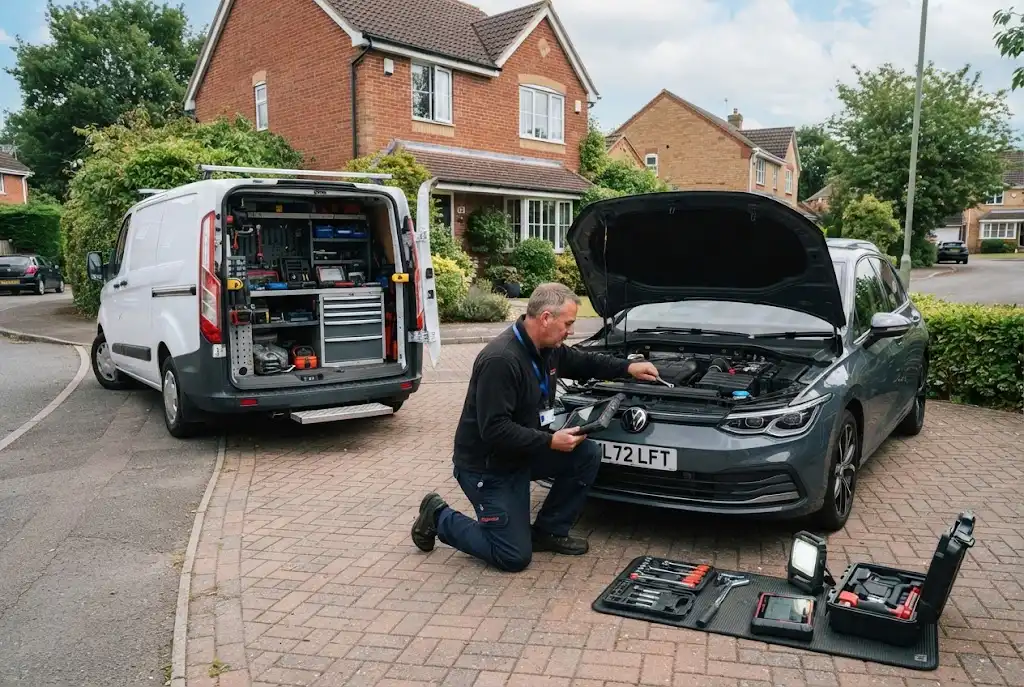
As motorists place greater emphasis on long-term value, auto care services are also becoming part of a broader ownership strategy rather than being viewed only as emergency repairs. Meanwhile, the growth of mobile auto service reflects demand for greater convenience and more flexible ways of accessing automotive expertise.
The Future of the UK Auto Repair Market
The UK repair market is likely to continue evolving as vehicle technology, customer expectations and workshop practices change. Businesses that combine technical expertise with efficient operations and strong customer service will be better positioned to compete.
For vehicle owners, the central lesson is equally straightforward: repair decisions should not be based on price alone. Understanding the cause of a problem, considering the vehicle’s future needs and choosing a reputable service provider can lead to better long-term outcomes.
Ultimately, the economics of auto repair services connect three priorities: controlling costs, maintaining vehicle reliability and delivering quality work. When these priorities are managed together, motorists can make more informed ownership decisions while repair businesses can build stronger and more sustainable operations.