Choosing reliable auto inspection services can give UK motorists a clearer understanding of a vehicle’s condition before they commit to a purchase or arrange significant repairs. A professional inspection can examine important mechanical, structural and safety-related areas, helping identify issues that may not be obvious during a short test drive.
Vehicle inspections can be particularly useful when buying a used car, investigating an unfamiliar problem or planning future maintenance. They are also different from an MOT test. An MOT assesses specific items against defined testing standards, whereas a broader inspection can provide additional information about the vehicle’s overall condition and potential maintenance requirements.
What Are Auto Inspection Services?
Auto inspection services involve examining a vehicle to identify its current condition, visible defects, mechanical concerns and potential safety issues. The precise scope varies between inspection providers, vehicle types and the reason for the inspection.
A professional inspection may include visual checks of the exterior and interior, tyres, brakes, suspension, steering, fluids and other accessible components. Depending on the service, technicians may also use diagnostic equipment to investigate electronic systems or warning lights.
The objective is not simply to produce a list of faults. A useful inspection should give the vehicle owner or prospective buyer a clearer picture of its current condition and help identify areas that may require further investigation or maintenance.
Why Vehicle Inspections Matter
Modern vehicles contain increasingly complex mechanical and electronic systems. Some developing problems may not produce obvious symptoms during a brief drive, while others may only become apparent under particular conditions.
A structured inspection can therefore provide information that complements the driver’s own observations. This can be valuable when a vehicle has an incomplete maintenance history or when its age and mileage make condition particularly important.
Inspections can also support more informed ownership budgeting. Discovering that tyres, brakes or suspension components may require attention gives a driver an opportunity to consider those potential maintenance expenses rather than being surprised by them later.
Auto Inspection Services for Used Cars
One of the most common reasons to arrange a vehicle inspection is before buying a used car. A seller’s description and a test drive can provide useful information, but neither necessarily reveals every mechanical or structural concern.
A pre-purchase inspection can help examine the vehicle more systematically. Depending on the inspection package, areas may include body condition, signs of previous repairs, tyres, brakes, suspension, steering, engine-related components and electrical systems.
Buyers should understand that an inspection is not a guarantee that a vehicle will remain fault-free. Instead, it provides a snapshot of the vehicle’s condition at the time it is examined.
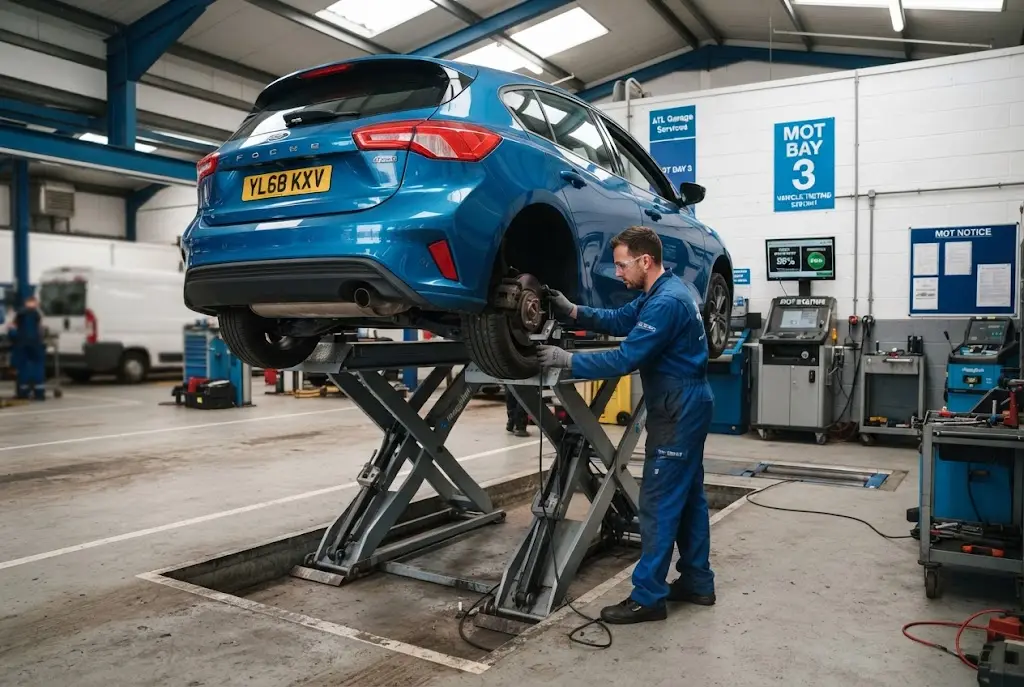
It can also be useful to compare an inspection report with available maintenance records and the vehicle’s MOT history. Understanding the distinction between a general inspection and an official MOT is important, and our guide to MOT and service requirements explains why the two should not be treated as the same thing.
What Does a Professional Vehicle Inspection Check?
The exact inspection checklist depends on the provider and the type of inspection purchased. However, a comprehensive assessment may consider several major areas.
Exterior and Body Condition
Inspectors can examine the bodywork for visible damage, corrosion, paint inconsistencies and signs that components may have been repaired or replaced. These observations can be particularly relevant when evaluating a used vehicle.
Tyres and Wheels
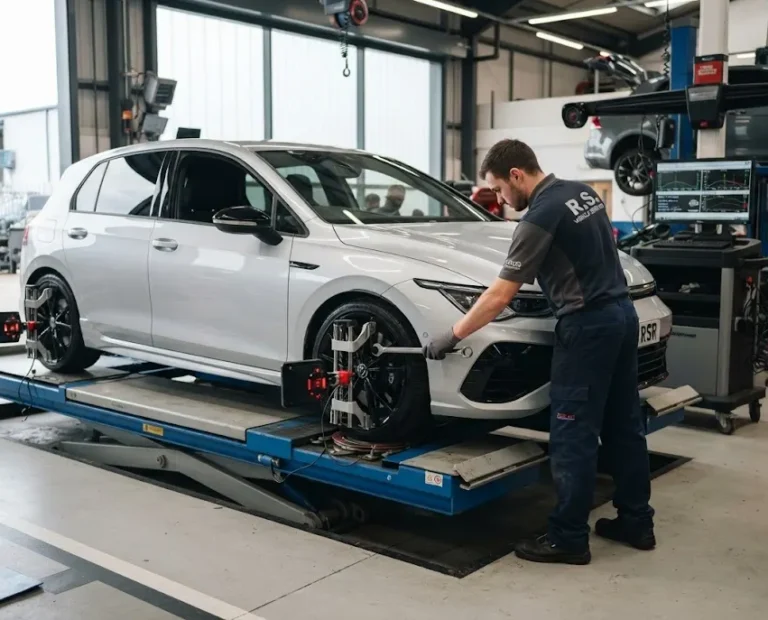
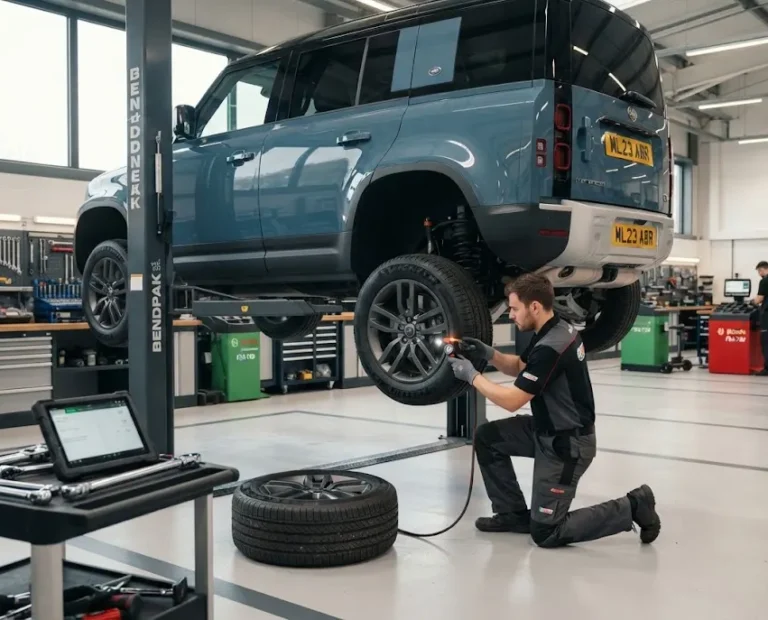
Tyre condition is an important part of vehicle safety. An inspection can look for visible wear, damage and other issues affecting the tyres and wheels. Uneven wear may also provide useful clues about alignment, suspension or other underlying concerns.
Braking and Suspension Components
Brakes and suspension contribute significantly to vehicle control and safety. Depending on the inspection scope, technicians may assess accessible components for signs of wear, damage or other concerns that warrant further investigation.
Engine and Mechanical Systems
A mechanical inspection may examine accessible engine components, fluid levels, visible leaks and other relevant areas. The depth of this assessment varies between inspection services, so motorists should understand exactly what the chosen package includes.
Electrical and Diagnostic Systems
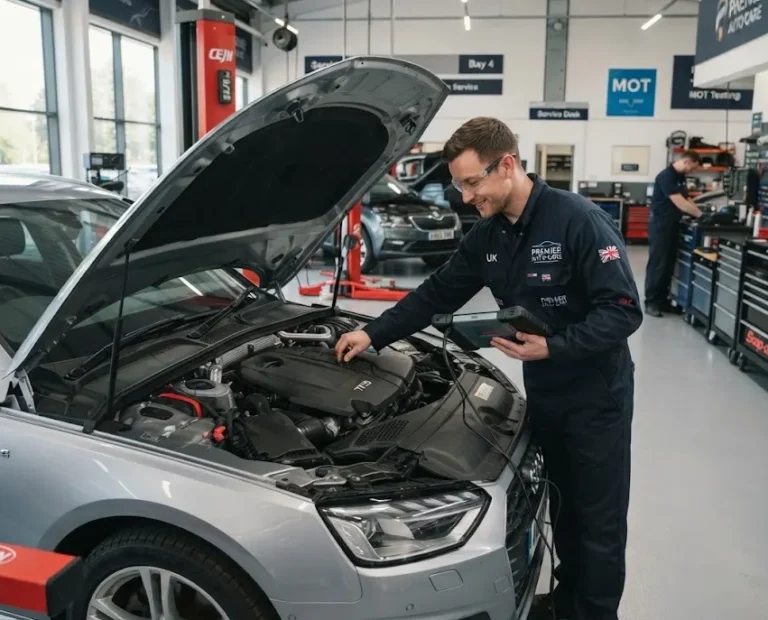
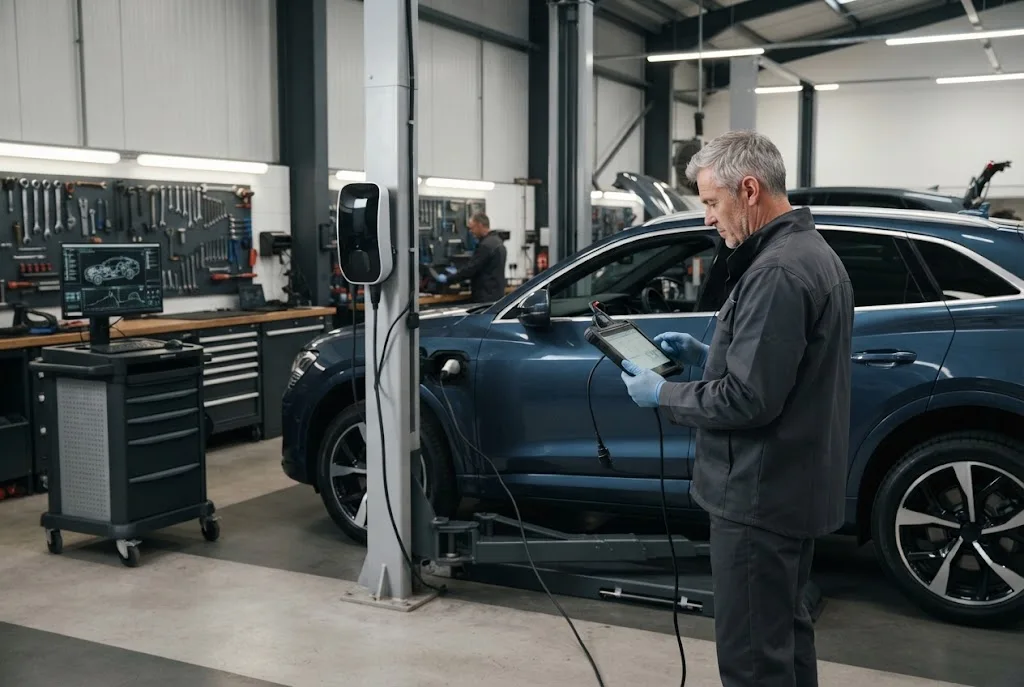
Modern vehicles can store diagnostic information relating to electronic systems. Where appropriate equipment is available, a technician may perform diagnostic checks to investigate warning lights or stored fault information.
Diagnostic information should be interpreted alongside physical inspection findings. A fault code by itself does not always establish the precise mechanical cause of a problem.
Safety Checks and Roadworthiness
Safety checks are a central part of responsible vehicle ownership. Drivers need to know whether a vehicle appears suitable for continued use and whether any observed problems require attention.
Roadworthiness, however, should not be confused with a single inspection report. Vehicle condition can change after an inspection because components continue to wear and unexpected faults can develop.
Regular maintenance, appropriate repairs and sensible daily checks therefore remain important. An inspection is best viewed as a useful assessment within a broader vehicle-care strategy rather than a permanent guarantee of condition.
Diagnostic Reports and Inspection Findings
A good inspection report should communicate findings in language that the vehicle owner can understand. Depending on the service, findings may be divided into categories such as items requiring immediate attention, items that should be monitored and components that appear satisfactory at the time of inspection.
Drivers should ask questions when a report contains technical terminology they do not understand. A qualified technician can explain what a finding means, how urgently it should be addressed and whether further testing is recommended.
It is also useful to distinguish between an observed defect and a recommendation for preventative maintenance. Not every recommendation represents an immediate safety problem.
When Should You Arrange an Inspection?
There is no single situation in which every driver needs a professional inspection. However, several circumstances can make one particularly useful.
- Before purchasing an expensive used vehicle.
- When a vehicle develops unexplained symptoms.
- After a significant collision or impact.
- When warning lights appear and the cause is unclear.
- When purchasing a vehicle with limited service history.
- When planning substantial maintenance or repairs.
- When assessing an older vehicle before committing to continued ownership.
An inspection can also be useful when deciding whether a vehicle is worth repairing. If several components require attention, a clear assessment can help the owner understand the vehicle’s condition before approving major work.
Inspection Standards and Maintenance Planning
Vehicle inspections become more useful when their findings are connected to a practical maintenance plan. Instead of treating every issue as equally urgent, motorists can discuss priorities with a qualified technician.
For example, an immediate safety-related issue may need attention before cosmetic defects or lower-priority maintenance. Other components may be functioning adequately but approaching the stage where replacement should be budgeted for.
This approach can make maintenance expenses easier to manage. It also connects vehicle inspection with the wider issue of car service cost, because understanding upcoming maintenance needs can help motorists plan for servicing and repair expenses.
Inspection Services and Modern Vehicle Technology
Vehicle inspection is becoming increasingly influenced by technology. Modern cars can include electronic control systems, sensors, cameras, advanced braking technology and other equipment that requires specialist knowledge.
This means technical guidance and appropriate diagnostic equipment can be important when inspecting newer vehicles. A conventional visual inspection may still identify many physical issues, but electronic systems can require additional methods of assessment.
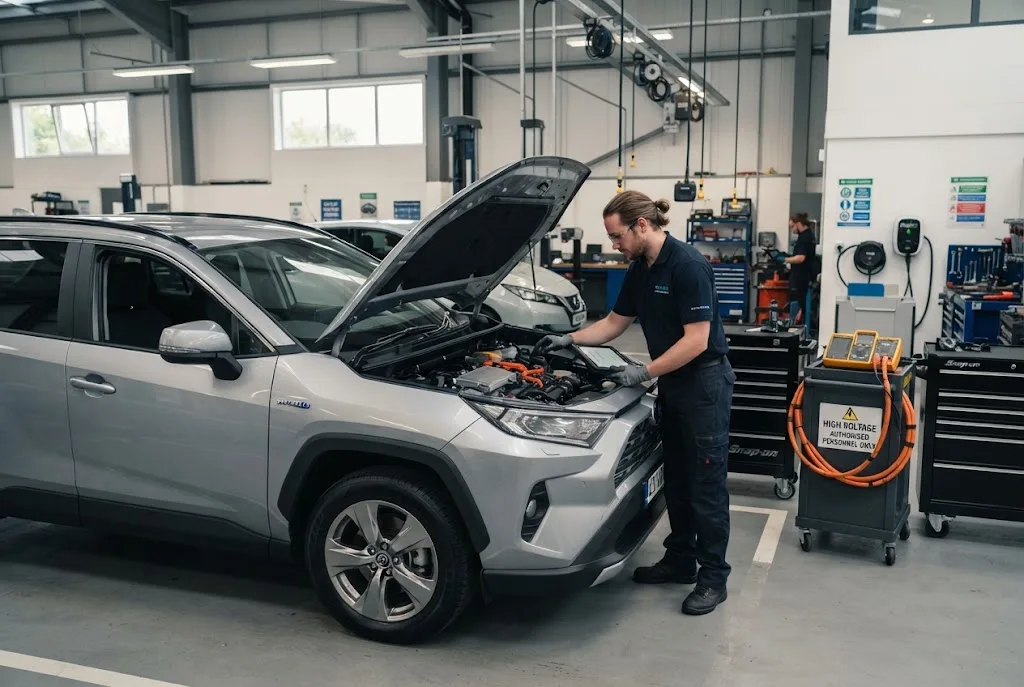
The growth of hybrid and electric vehicles adds another dimension. Their high-voltage systems, battery technology and specialised components can require appropriate training and equipment. Drivers interested in this transition can explore hybrid services for further information about changing maintenance requirements.
How to Choose an Inspection Provider
When comparing auto inspection services, motorists should first establish what is included in the inspection. Providers may offer different levels of assessment, so a lower price does not necessarily mean two services are directly comparable.
Consider whether the inspection includes a written report, diagnostic checks, road testing, underbody inspection and specific checks relevant to the vehicle. It is also sensible to ask how findings are classified and whether the inspector can explain significant issues.
For specialist vehicles or newer technologies, relevant technical experience and equipment may be especially important. The inspection should match the reason for arranging it.
Making Better Decisions From Inspection Results
The value of an inspection ultimately depends on how its findings are used. A buyer can use the information to ask the seller informed questions, negotiate based on documented issues or reconsider a purchase if significant concerns emerge.
An existing owner can use the same information to prioritise repairs and develop a maintenance schedule. In either situation, the inspection provides information rather than making the decision for the motorist.
It is also worth remembering that no inspection can predict every future fault. Components can fail unexpectedly, and some problems may only become apparent under conditions that were not present during the assessment.
Building a Practical Vehicle Inspection Routine
Professional inspections should complement, rather than replace, routine vehicle care. Drivers can monitor obvious warning signs, check tyres and lights regularly and follow the manufacturer’s servicing recommendations.
When a concern appears, arranging appropriate technical guidance early can help establish what is happening before the issue becomes more disruptive. Combining routine checks, scheduled servicing, MOT testing and professional inspections creates a more complete approach to vehicle maintenance.
For UK motorists, auto inspection services can therefore be a valuable tool for understanding vehicle health, especially when buying a used car, investigating an unfamiliar issue or planning future maintenance. A structured inspection does not eliminate every risk, but it can provide useful technical information and help owners make better-informed decisions about safety, repairs and long-term vehicle ownership.