Hybrid services are becoming an increasingly important part of vehicle maintenance as UK motorists adopt hybrid and electric vehicle technology. These vehicles combine technologies that differ significantly from traditional petrol and diesel cars, creating new requirements for servicing, diagnostics, technician training and specialist equipment.
For vehicle owners, the transition does not mean conventional maintenance has disappeared. Instead, the maintenance approach is changing. Hybrid vehicles can still require attention to tyres, brakes, suspension and other conventional components, while their electrical systems and batteries introduce additional considerations. Understanding these differences can help motorists plan maintenance more effectively.
What Are Hybrid Services?
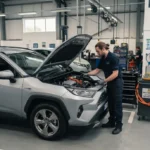
Hybrid services cover maintenance, inspection, diagnostics and repair work associated with hybrid vehicles. Depending on the vehicle and service provider, this can involve both conventional mechanical systems and electrified components.
A hybrid vehicle generally combines an internal combustion engine with one or more electric motors and a high-voltage battery system. Plug-in hybrids add the ability to recharge the battery externally, giving owners another part of the vehicle system to manage.
Because these systems operate together, technicians need to understand how mechanical and electrical components interact. Appropriate safety procedures are particularly important when work involves high-voltage systems.
How EV Servicing Differs From Conventional Maintenance
Electric vehicles do not have the same powertrain components as petrol or diesel vehicles. There is no conventional internal combustion engine requiring engine oil changes, spark plugs or many of the other maintenance tasks associated with combustion engines.
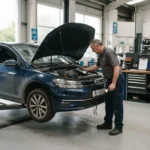
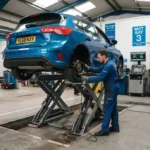
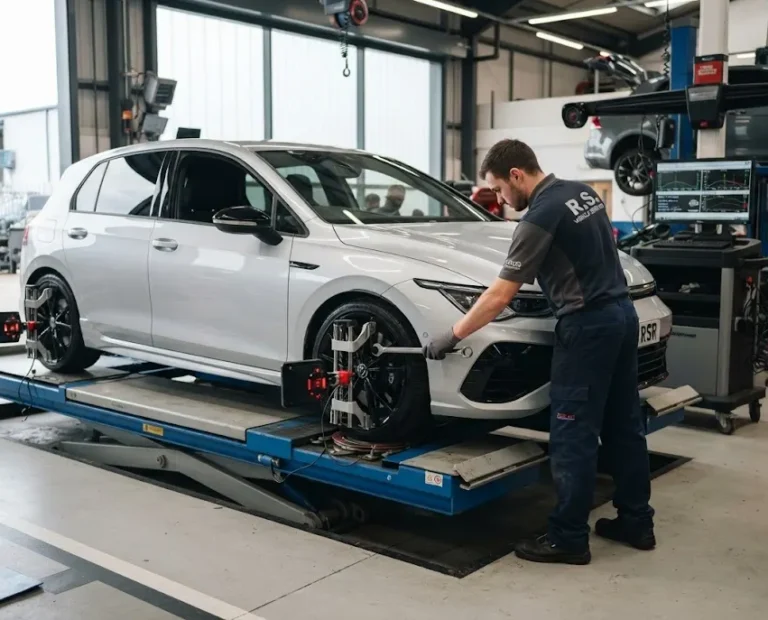
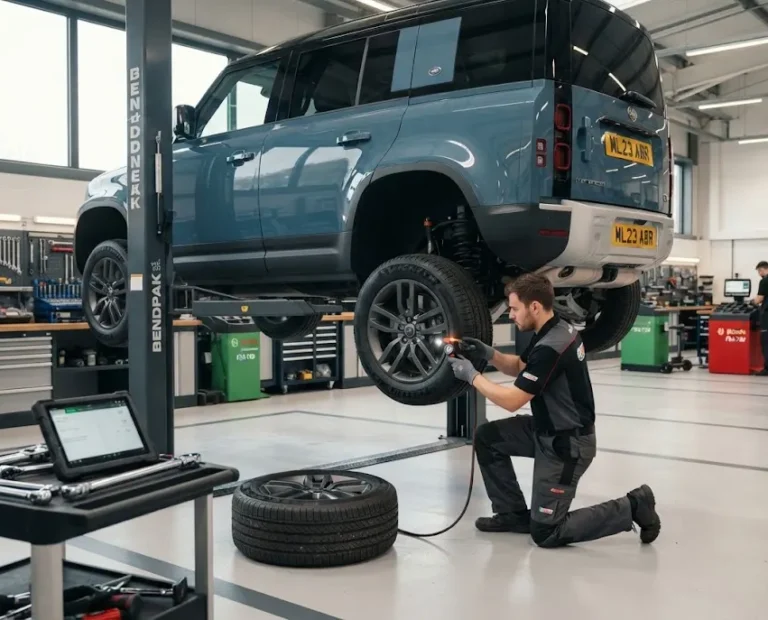
However, EV servicing still involves important maintenance areas. Tyres, braking systems, steering, suspension, cooling systems, electrical components and other vehicle systems can require inspection or replacement.
Regenerative braking can also influence brake wear because the electric motor can contribute to slowing the vehicle. This does not eliminate the need to inspect conventional braking components, but it can change the pattern of wear compared with some traditional vehicles.
Drivers considering the broader relationship between inspections and maintenance can also review auto inspection services for information about professional vehicle condition checks.
Why Specialist EV Mechanics Are Important
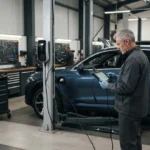
The growing number of electrified vehicles creates demand for technicians with appropriate knowledge and training. High-voltage electrical systems require specific safety procedures, equipment and technical understanding.
Not every garage will necessarily offer the same level of EV capability. Vehicle owners should therefore establish whether a service provider has the relevant equipment, training and experience before arranging specialist work.
This becomes particularly important when a repair involves the high-voltage battery, electric drive system, charging equipment or other components that require specialist procedures.
Battery Servicing and Vehicle Health
The battery is one of the most important components in a hybrid or electric vehicle. It stores electrical energy used to power the vehicle’s electric drive system and, depending on the vehicle design, may support other electrical functions.
Battery condition can change over time. Factors such as usage, temperature, charging behaviour and vehicle age can influence battery performance. However, battery condition should be assessed using appropriate vehicle-specific diagnostic methods rather than assumptions based solely on age.
When purchasing a used hybrid or electric vehicle, understanding its battery condition can therefore be an important part of evaluating the vehicle. A suitable inspection can help identify whether further specialist assessment is warranted.
Charging Infrastructure and Maintenance
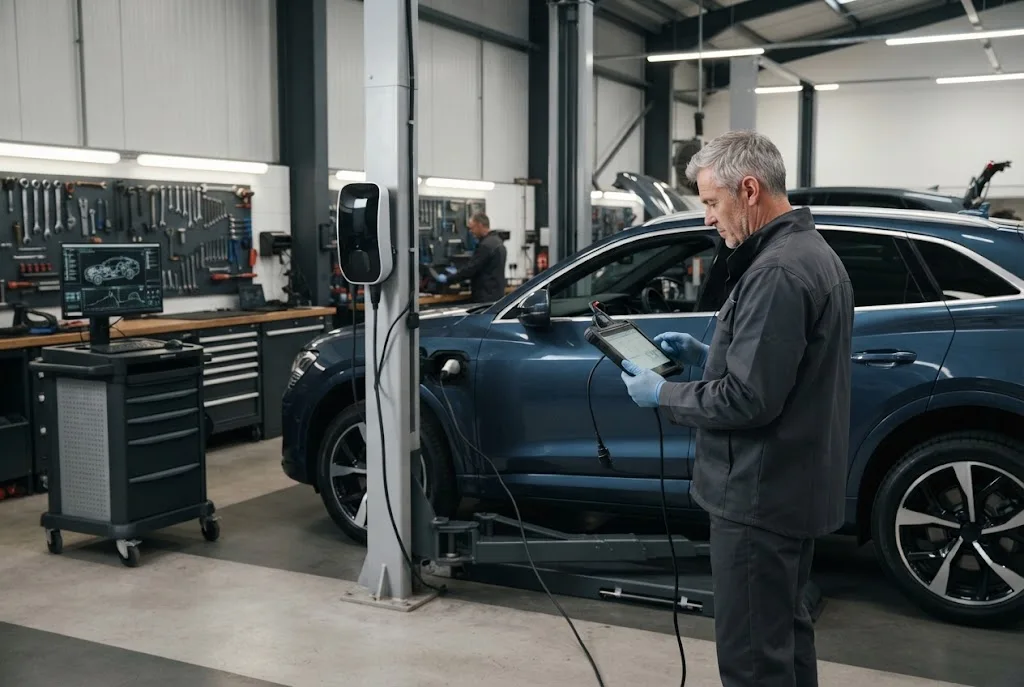
Plug-in hybrid and electric vehicle ownership also introduces charging infrastructure into the wider maintenance conversation. Drivers may charge at home, at workplaces or through public charging networks, depending on their circumstances.
Charging equipment itself is not simply another vehicle component. Home charging installations involve electrical infrastructure and should be installed and maintained appropriately. Vehicle owners should use suitable equipment and follow manufacturer and installer guidance.
Public charging infrastructure is also evolving. As more motorists depend on electric charging, access to reliable charging points becomes an important consideration in everyday vehicle use and longer journeys.
Hybrid Vehicles Still Need Routine Maintenance
One common misconception is that electrification removes the need for regular vehicle maintenance. In reality, hybrid vehicles can still contain many conventional mechanical systems.
Depending on the model, owners may need to maintain tyres, suspension, steering, brakes, cooling systems and other components. Plug-in hybrids also contain combustion engines, which means some conventional engine maintenance remains relevant.
This is why maintenance planning should be based on the specific vehicle rather than a general assumption about hybrid technology. The manufacturer’s maintenance schedule remains an important reference point.
For motorists looking at overall ownership expenses, understanding car service cost can also help put servicing, repair and maintenance requirements into a broader budgeting context.
Challenges Facing Hybrid and EV Servicing
The shift towards electrification creates several challenges for the automotive service industry. One is technician training. Traditional mechanical knowledge remains useful, but technicians increasingly need additional understanding of electrical systems, diagnostics and high-voltage safety.
Equipment is another consideration. Specialist diagnostic tools, insulated equipment and suitable workshop procedures may be necessary for certain types of work.
Parts availability can also influence repair times. Some electrified vehicle components are more specialised than conventional service items, and availability can vary between manufacturers and vehicle models.
These factors can influence the overall cost and complexity of specialist servicing, particularly when a repair goes beyond routine maintenance.
Industry Innovation and Changing Workshop Practices
Automotive technology is evolving quickly. Vehicle manufacturers are developing new battery systems, electric motors, software-controlled functions and charging technologies, while service businesses are adapting their capabilities accordingly.
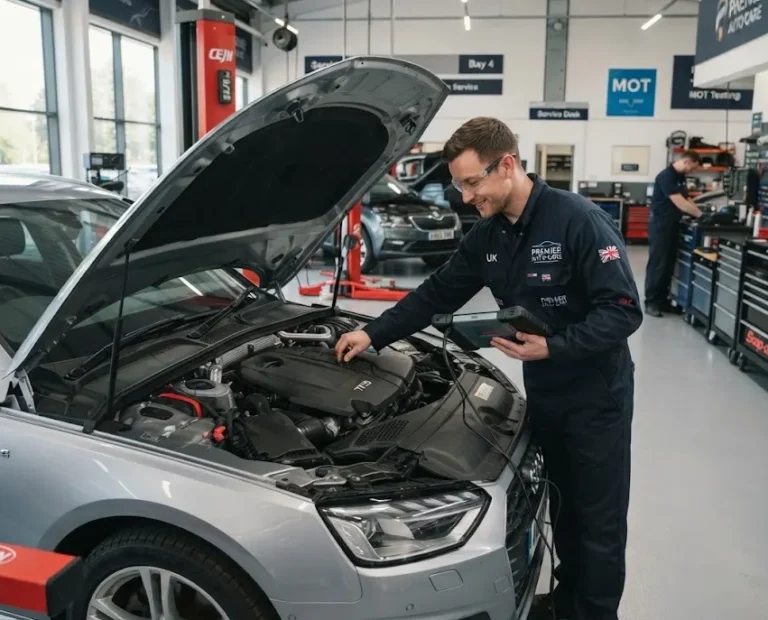
Diagnostic technology is becoming particularly important because modern vehicles can rely heavily on electronic control systems. Technicians may need to interpret data from multiple vehicle systems before determining the cause of a problem.
This means future automotive workshops are likely to require a combination of mechanical expertise, electrical knowledge and software-based diagnostic skills.
Maintenance Planning for Hybrid and Electric Vehicles
Good maintenance planning starts with understanding the vehicle manufacturer’s recommendations. Owners should know when scheduled inspections are due and which components require periodic attention.
Drivers should also respond to warning lights, unusual noises, changes in vehicle performance or charging problems rather than ignoring them until the next scheduled service.
Keeping records of maintenance and repairs can make it easier to monitor vehicle health over time. For used vehicles, these records can also provide useful information when assessing how consistently the vehicle has been maintained.
Hybrid Services and Sustainable Mobility
Hybrid and electric vehicles are part of a broader transition in personal transportation. Their adoption is influenced by factors including vehicle technology, charging infrastructure, operating costs, consumer preferences and environmental considerations.
As the market develops, automotive service providers will need to adapt alongside vehicle owners. Garages that invest in appropriate training and equipment can support motorists as their vehicle choices change.
At the same time, consumers need clear information about what different types of electrified vehicles require. Understanding maintenance requirements can make the ownership experience more predictable and help buyers compare vehicles on more than their purchase price.
The Future of EV Mechanics
The role of the automotive technician is changing as vehicle technology develops. Future technicians may spend less time on some traditional engine-related tasks and more time diagnosing electrical, electronic and software-controlled systems.
This does not mean mechanical expertise will become irrelevant. Brakes, tyres, suspension, steering, body components and other systems will continue to require professional attention. Instead, the skill set is becoming broader.
For automotive businesses, investing in training and appropriate workshop equipment can help them respond to the changing vehicle fleet. For consumers, choosing a service provider with suitable experience can provide greater confidence when specialist work is required.
Making Informed Decisions About Electrified Vehicle Maintenance
Hybrid and electric vehicle maintenance should be approached according to the specific vehicle, its technology and the type of work required. Routine maintenance remains important, while specialist repairs should be handled by appropriately trained professionals.
Drivers can support long-term vehicle health by following the manufacturer’s maintenance recommendations, responding promptly to warning signs and keeping useful service records. When buying a used hybrid or electric vehicle, an appropriate inspection can provide additional information about its condition.
Ultimately, hybrid services represent more than a new category of automotive repair. They reflect the wider transformation of the UK vehicle market, where mechanical expertise increasingly intersects with electrical systems, battery technology, diagnostics and charging infrastructure. As sustainable mobility continues to develop, these changing requirements will remain an important part of automotive maintenance and ownership planning.