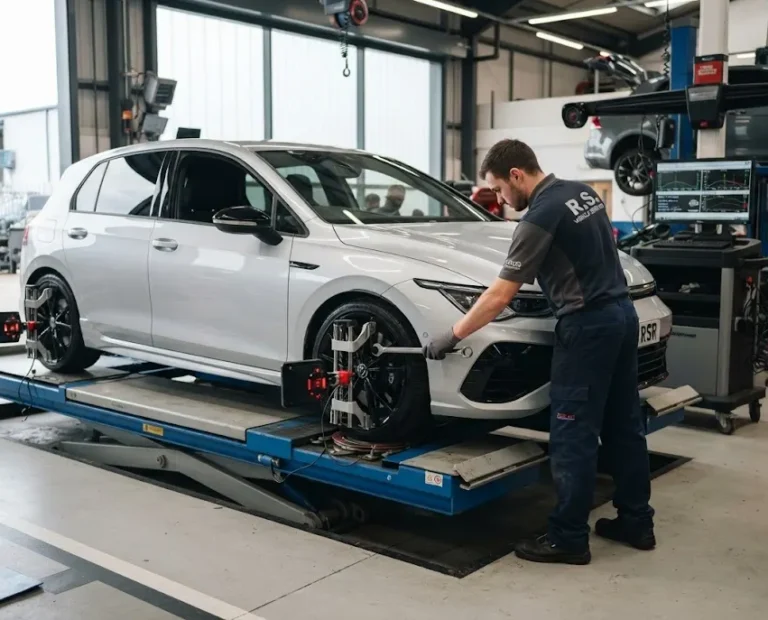
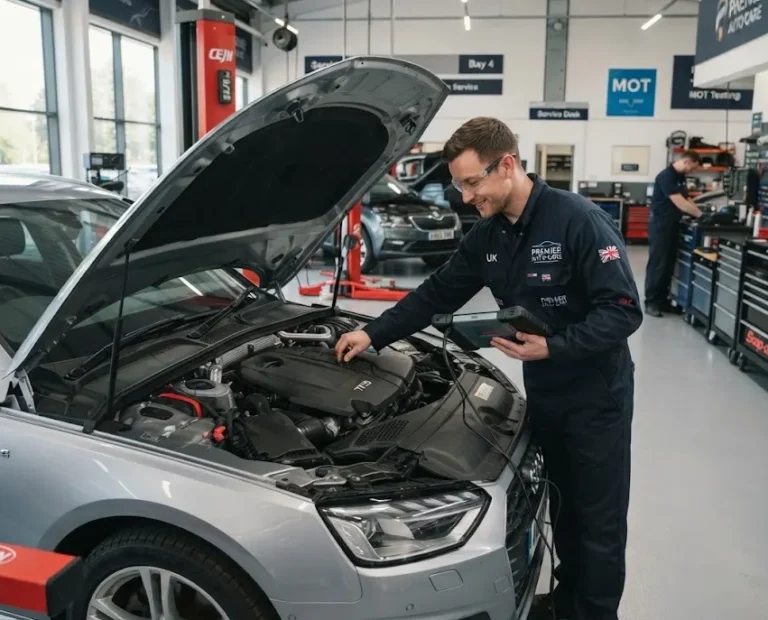
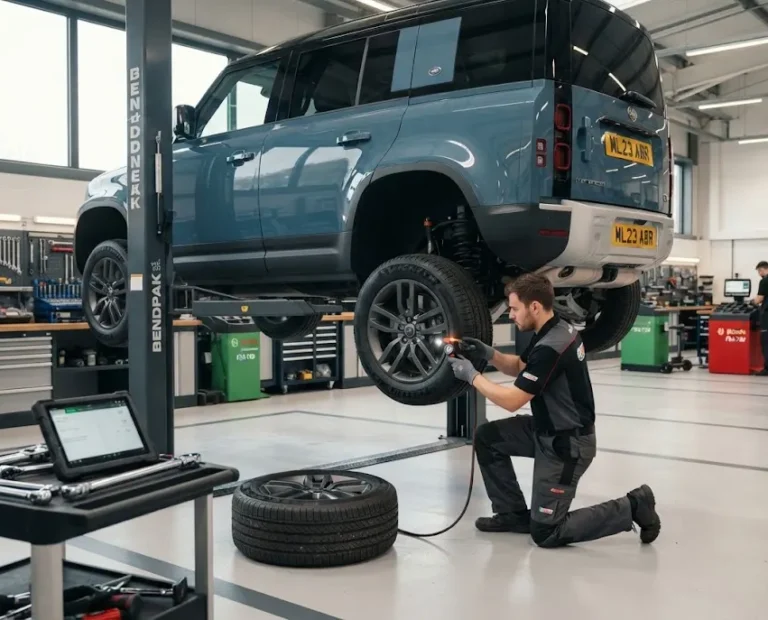
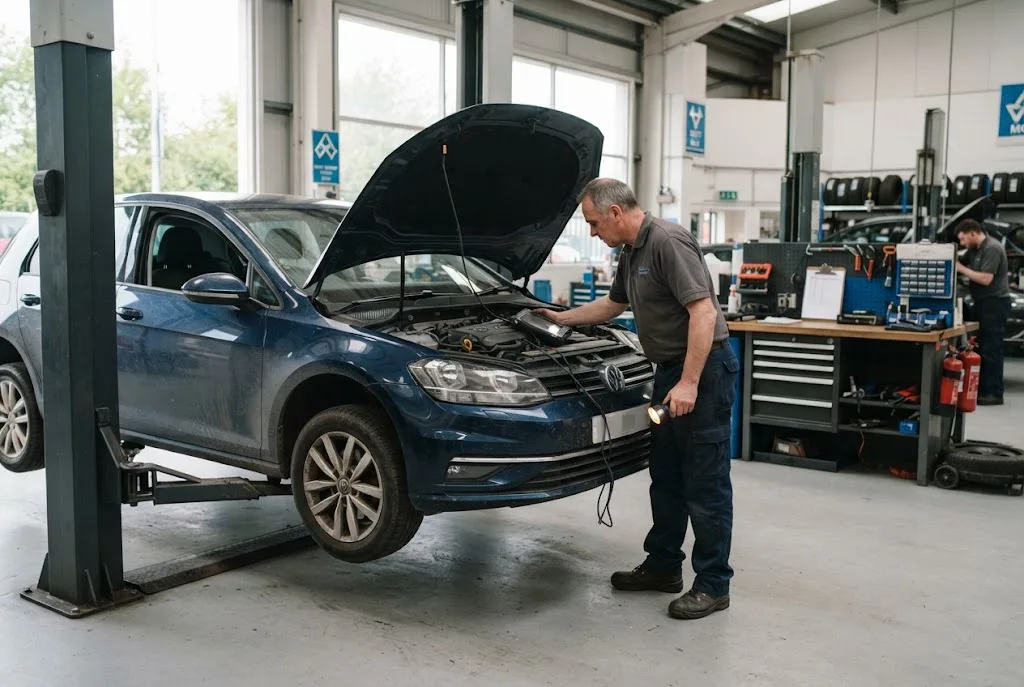
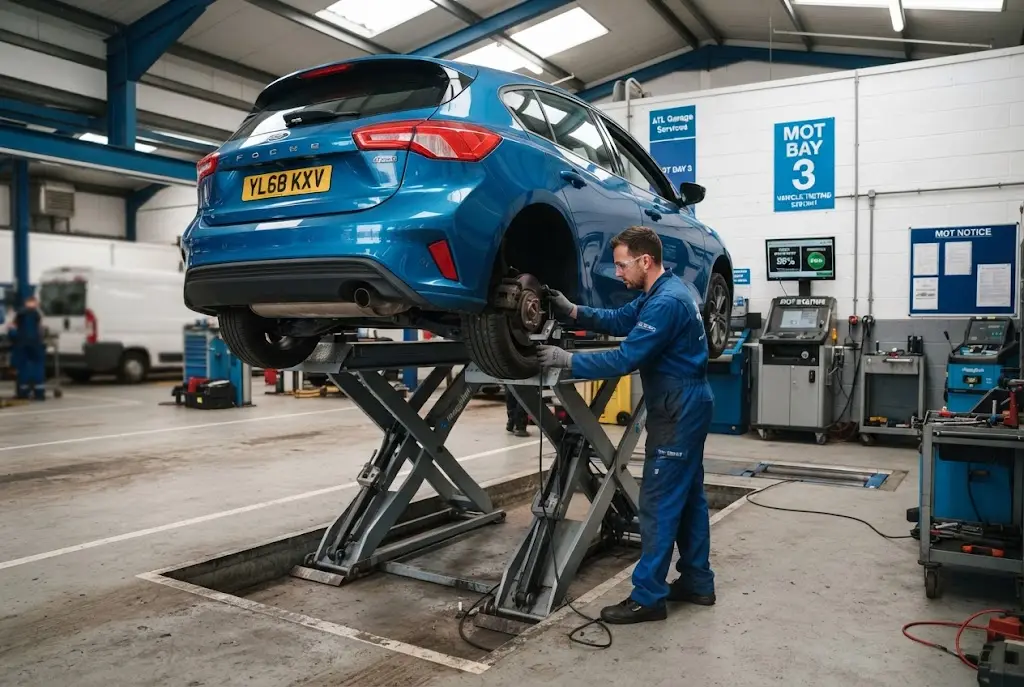
Automotive insights can help UK drivers understand how vehicle ownership, maintenance, repairs and automotive technology are changing. The modern motoring landscape is influenced by more than the type of car people choose to buy. Maintenance costs, consumer behaviour, vehicle technology, regulatory requirements and changing mobility patterns all affect the way motorists manage their vehicles.
For drivers, understanding these developments can make everyday ownership decisions easier. For automotive businesses, following maintenance trends and consumer expectations can help shape services around what vehicle owners increasingly need. Looking at these areas together provides a broader picture of where the UK automotive sector is heading.
Why Automotive Insights Matter to Vehicle Owners
Vehicle ownership is a long-term financial and practical commitment. The purchase price represents only one part of the overall cost. Insurance, fuel or charging, servicing, repairs, tyres, inspections and other running expenses all contribute to the ownership experience.
As vehicle technology changes, motorists also need to understand new maintenance requirements. Hybrid and electric vehicles, for example, introduce different systems and servicing considerations compared with conventional petrol and diesel vehicles.
Reliable automotive information can therefore help owners ask better questions, plan maintenance and understand why the cost or complexity of certain repairs may differ between vehicles.
Vehicle Ownership Is Becoming More Technology-Driven
Modern vehicles contain a growing number of electronic systems, sensors and software-controlled functions. Technology can improve convenience, safety and efficiency, but it can also change the way vehicles are diagnosed and maintained.
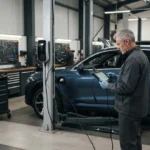
A warning light that once might have pointed towards a relatively straightforward mechanical problem can now be connected to a wider electronic system. Technicians may need diagnostic equipment and vehicle-specific technical information to identify the underlying issue.
This development means vehicle maintenance increasingly combines traditional mechanical expertise with electronic diagnostics. For motorists, choosing a service provider with appropriate equipment and technical knowledge can become particularly important as vehicles become more complex.
Maintenance Trends Affecting UK Drivers
One significant maintenance trend is the growing importance of preventative care. Rather than waiting for a component to fail completely, motorists can use scheduled servicing and professional inspections to identify potential problems earlier.
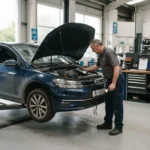
Preventative maintenance can involve routine checks of brakes, tyres, suspension, fluids, filters and other components. The exact requirements depend on the vehicle and manufacturer recommendations.
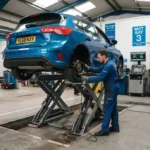
Professional inspections can provide another layer of information, particularly when purchasing a used vehicle or investigating an unfamiliar problem. Our guide to auto inspection services explains how structured vehicle checks can support maintenance planning and vehicle health assessments.
Repair Strategies Are Changing
Repair decisions are rarely based on a single factor. Vehicle age, mileage, condition, expected future use and repair cost can all influence whether an owner chooses to repair, replace or eventually change vehicles.
For an older vehicle, a major repair may need to be considered alongside other expected maintenance. A newer vehicle may justify a different approach because its remaining service life, technology and value can be different.
This is where a clear repair strategy becomes useful. Instead of treating every repair as an isolated expense, owners can consider the vehicle’s overall condition and likely future maintenance requirements.
Understanding car service cost can also help motorists place servicing and repair bills within the wider context of vehicle ownership budgeting.
Consumer Behaviour and Vehicle Maintenance
Consumer behaviour plays an important role in the automotive service sector. Motorists increasingly have access to information about vehicle specifications, servicing options, repair prices and maintenance recommendations before contacting a garage.
This makes transparency increasingly valuable. Customers may want to understand what a service includes, which components require replacement and why a particular repair has been recommended.
Clear communication can make it easier for motorists to distinguish between urgent repairs, routine maintenance and work that can reasonably be planned for a later date. It also gives vehicle owners more information when comparing service providers.
The Growing Importance of Maintenance Budgeting
Vehicle maintenance can be easier to manage when drivers treat it as an ongoing ownership expense rather than an occasional emergency. Regular servicing records can help owners identify recurring costs and anticipate upcoming work.
Inflation and changes in labour and parts costs can also affect maintenance budgets. Prices can vary significantly between vehicles, garages and regions, so there is no universal maintenance figure that applies to every motorist.
A practical approach is to consider the vehicle’s age, mileage, service history and manufacturer recommendations when estimating future expenses. Drivers can then maintain a separate allowance for unexpected repairs.
MOT Testing and Ongoing Vehicle Care
The MOT remains an important part of vehicle ownership for vehicles that require the test. However, an MOT and routine servicing serve different purposes.
An MOT assesses specified items against applicable testing standards at the time of the inspection. Servicing focuses on maintaining the vehicle and addressing maintenance requirements. Passing an MOT therefore does not mean that a vehicle has received every form of maintenance it may need.
Understanding this distinction can help motorists avoid relying on the annual test as their only vehicle health check. Our guide to MOT and service requirements provides additional context on testing, maintenance planning and vehicle compliance.
Hybrid and Electric Vehicles Are Reshaping Automotive Services
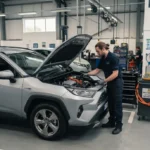
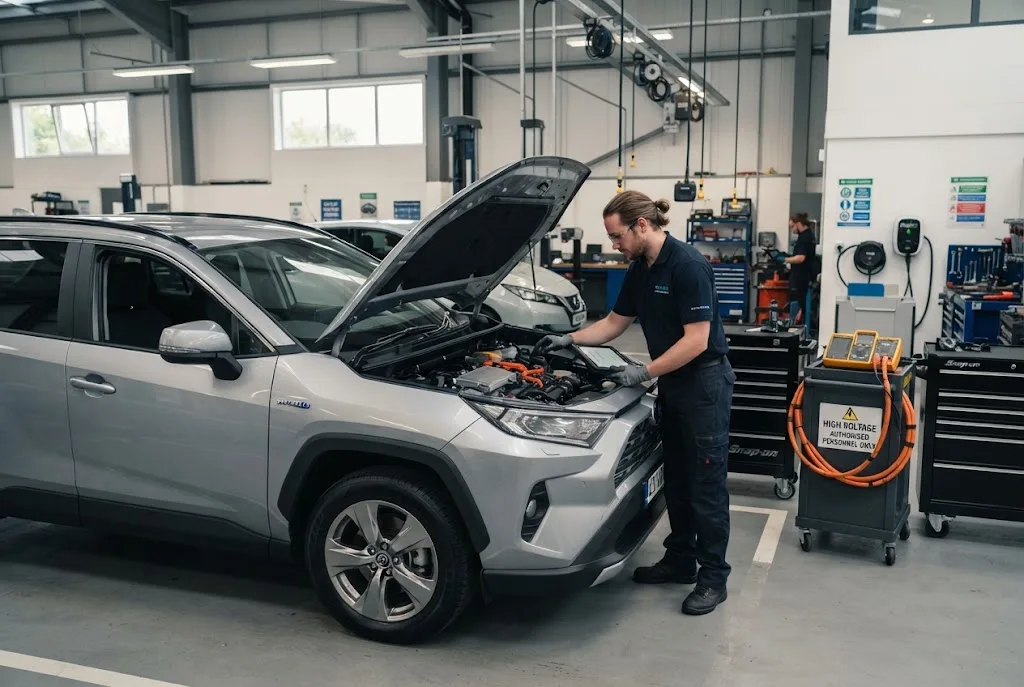
The transition towards electrified vehicles is one of the most significant developments in the automotive sector. Hybrid and electric vehicles require service providers to understand high-voltage systems, battery technology, specialist diagnostics and different vehicle architectures.
At the same time, many familiar maintenance requirements remain. Tyres, brakes, suspension and steering components still require attention, while hybrid vehicles can also contain conventional combustion-engine systems.
This creates a changing skills environment for automotive technicians. Workshops increasingly need a combination of mechanical knowledge, electrical expertise and diagnostic capability.
Drivers interested in this development can explore hybrid services to understand how EV and hybrid maintenance requirements are evolving.
Automotive Innovation and the Future of Servicing
Automotive innovation is not limited to propulsion systems. Connected vehicles, advanced driver-assistance features, digital diagnostics and increasingly sophisticated electronic systems are also changing how cars operate and how technicians work on them.
Software is becoming more relevant to vehicle functionality, while diagnostic systems can provide technicians with detailed information about faults and vehicle performance. This can make troubleshooting more data-driven than in previous generations of vehicles.
For workshops, keeping up with these developments may require investment in equipment, training and technical information. For vehicle owners, it means that the expertise required to maintain a modern car can differ considerably from that required for an older vehicle.
Mobility Research and Changing Ownership Patterns
Vehicle ownership does not exist in isolation from wider mobility trends. Urbanisation, public transport, car-sharing, remote working and changing household finances can all influence how people use vehicles.
Some motorists may prioritise keeping an existing vehicle for longer, while others may prefer changing vehicles as technology develops. The decision can depend on annual mileage, access to alternative transport, household requirements and the cost of maintaining an existing vehicle.
These differences make consumer behaviour an important part of automotive analysis. There is no single ownership strategy that works equally well for every driver.
What Automotive Businesses Need to Understand
Automotive businesses operate in a market where customer expectations are changing alongside vehicle technology. Consumers may expect clear pricing, convenient booking, transparent repair explanations and evidence that technicians understand their particular vehicle.
Businesses serving hybrid and electric vehicles may also need specialist equipment and appropriately trained staff. Meanwhile, traditional mechanical services remain relevant because petrol, diesel and hybrid vehicles continue to form an important part of the UK vehicle fleet.
This creates a mixed market in which garages need to support multiple technologies rather than focusing exclusively on one type of vehicle.
Using Automotive Insights for Better Maintenance Decisions
For vehicle owners, the most useful automotive information is information that can be applied to real decisions. Understanding maintenance trends can help drivers prepare for upcoming expenses. Knowing how MOT testing differs from servicing can prevent misunderstandings about vehicle condition. Learning about hybrid technology can help owners prepare for changing maintenance requirements.
Likewise, understanding repair strategies can help motorists consider the broader condition of their vehicle instead of judging every repair solely by its immediate price.
Keeping accurate service and repair records is another practical step. These records can provide a useful history when planning maintenance, diagnosing recurring problems or eventually selling the vehicle.
The Future Outlook for UK Vehicle Ownership
The UK automotive sector is likely to continue evolving as vehicle technology, consumer expectations and mobility patterns change. Electrification will remain an important part of the industry’s development, while conventional vehicles will continue to require servicing and repairs.
Technician skills are likely to become increasingly diverse. Mechanical knowledge will continue to matter, but electrical systems, diagnostics and technology-related expertise are becoming more important as vehicle designs develop.
For motorists, this changing environment reinforces the value of informed vehicle ownership. Drivers who understand their vehicle’s maintenance schedule, condition and technology can approach servicing and repair decisions with greater clarity.
Building a Better Understanding of Automotive Trends
The most useful automotive insights connect industry developments with the practical realities of vehicle ownership. Maintenance costs, repair strategies, consumer behaviour, technological innovation and regulatory requirements all influence the decisions motorists make.
Rather than viewing these subjects separately, drivers can consider them as parts of one broader ownership picture. A vehicle’s technology affects its maintenance needs, maintenance affects ownership costs, and consumer expectations influence how automotive businesses deliver services.
By following these developments and maintaining a proactive approach to vehicle care, UK motorists can make more informed decisions throughout the vehicle ownership cycle. As the industry continues to evolve, reliable information will remain an important part of understanding both today’s vehicles and the technologies that will shape tomorrow’s automotive landscape.