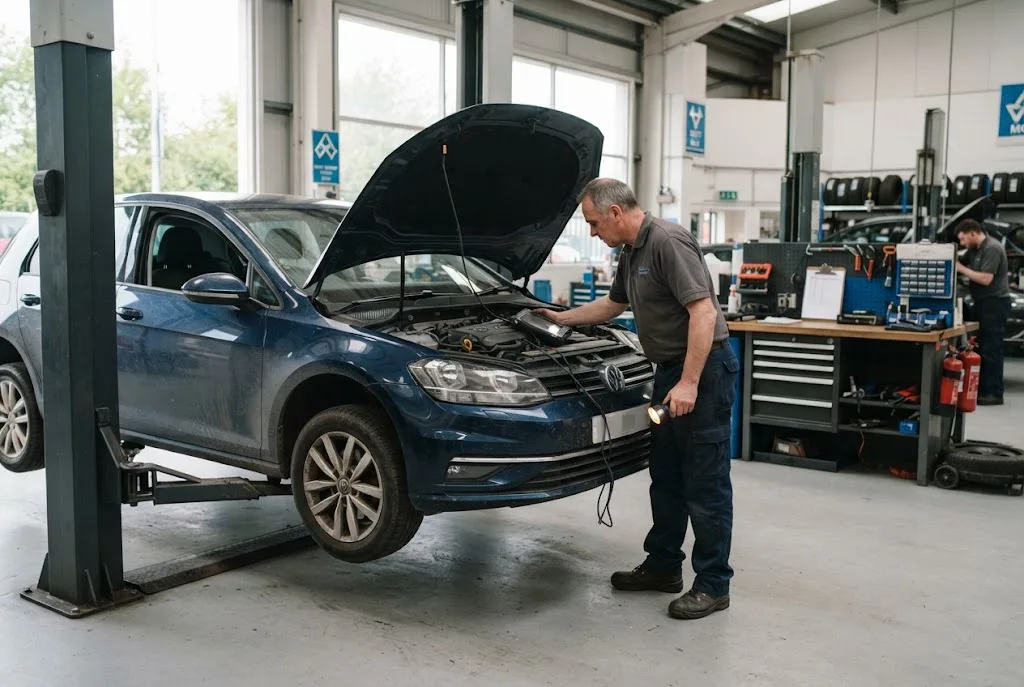
Understanding car service cost has become increasingly important for UK motorists managing household budgets. Routine servicing, repairs, replacement parts and labour can all affect the amount drivers spend on keeping a vehicle roadworthy. At the same time, wider economic conditions such as inflation, changing labour costs and supply pressures can influence servicing prices from one year to the next.
For vehicle owners, the key issue is not simply finding the cheapest garage. It is understanding what contributes to maintenance expenses, planning for predictable work and recognising when a routine service can help prevent more expensive repairs later. Looking at pricing trends can therefore make vehicle ownership easier to budget for and less vulnerable to unexpected bills.
Why Car Service Cost Matters to UK Drivers
Car ownership involves more than the initial purchase price. Fuel, insurance, road tax, tyres, MOT testing and maintenance all contribute to the overall cost of running a vehicle. Among these expenses, servicing and repairs can be difficult to predict because the required work depends on the vehicle’s age, mileage, condition and manufacturer recommendations.
A newer car may require relatively limited maintenance beyond scheduled servicing, while an older vehicle can need more frequent attention to components such as brakes, suspension, exhaust systems, batteries and steering parts. This makes ownership budgeting particularly important for drivers who intend to keep their vehicles for many years.
Drivers can also benefit from separating routine maintenance from unexpected repairs. A planned service is easier to budget for than a major mechanical fault that develops without warning. Keeping a maintenance record and following the manufacturer’s recommended schedule can help identify upcoming expenses before they become urgent.
What Influences Car Service Cost?
There is no single price that applies to every vehicle service. Garages calculate servicing prices according to several factors, including the type of service, vehicle specification, replacement parts, labour time and the condition of the car.
Vehicle Type and Service Requirements
Different vehicles require different maintenance procedures. Engine size, vehicle design, manufacturer requirements and component accessibility can all affect how much work is involved. A basic scheduled service may involve oil, filters and routine checks, while a more comprehensive service can include additional inspections and replacement items.
Drivers should therefore compare like-for-like service packages rather than looking only at the headline price. A lower quotation may exclude certain parts or checks that are included elsewhere.
Parts and Replacement Components
Parts represent another important element of repair costs. Brake components, batteries, tyres, filters and other consumables vary considerably in price depending on vehicle specification and the quality or type of component selected.
For this reason, a garage quotation should make it clear which parts are required and whether the price covers both components and fitting. Clear estimates make it easier for motorists to understand where their money is going.
Labour and Technician Availability
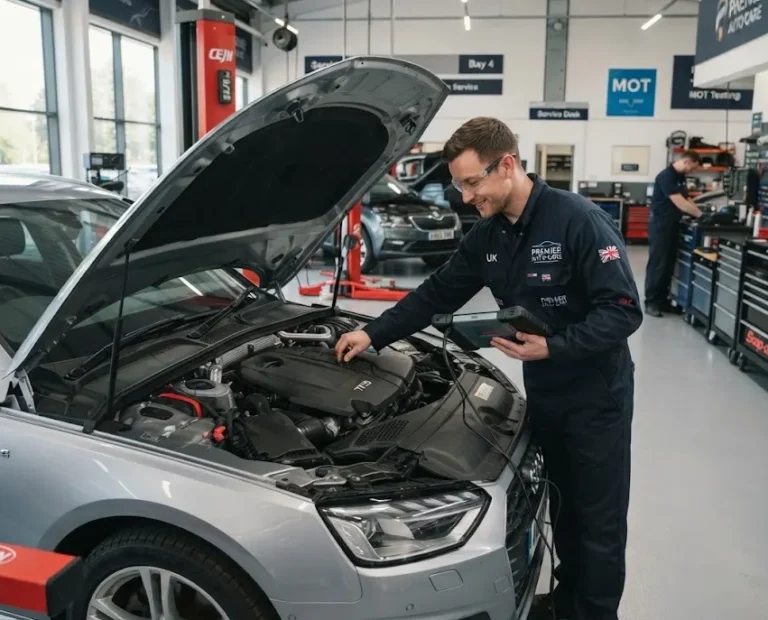
Labour is another major factor in vehicle maintenance pricing. Modern vehicles increasingly rely on sophisticated electronics, sensors and diagnostic systems, meaning technicians may require specialist training and equipment.
Where garages experience labour shortages, recruitment and training costs can also become part of the wider pricing environment. This does not mean every garage will change its prices in the same way, but labour availability can influence operating costs across the automotive service sector.
How Inflation Can Affect Servicing Prices
Inflation can affect several parts of the automotive repair process at the same time. Garages may face higher costs for premises, utilities, equipment, wages, parts and other business expenses. These pressures can eventually influence the prices paid by customers.
Official UK data provides useful context for understanding the wider trend. The Office for National Statistics reported that producer prices for maintenance and repair services of motor vehicles were 8.3% higher year on year in the second quarter of 2026. The same dataset shows the sector’s output price index rising from 150.9 in 2025 to 161.4 in the second quarter of 2026.
These figures describe industry-level price movements rather than the exact bill a particular motorist should expect. A customer’s final cost can still vary significantly according to vehicle type, location, garage, parts and required work.
For broader economic context, the Office for National Statistics inflation data can help motorists understand how changing prices across the economy may affect household budgets.
Repair Costs Versus Preventive Maintenance
One of the most useful approaches to controlling long-term maintenance expenses is distinguishing between preventive maintenance and reactive repairs. Preventive work includes scheduled servicing, fluid checks, filter replacement, tyre inspections and other routine tasks recommended for the vehicle.
Reactive repairs happen after a component has failed or a fault has become noticeable. Some failures are unavoidable, but regular maintenance can help identify developing problems earlier.
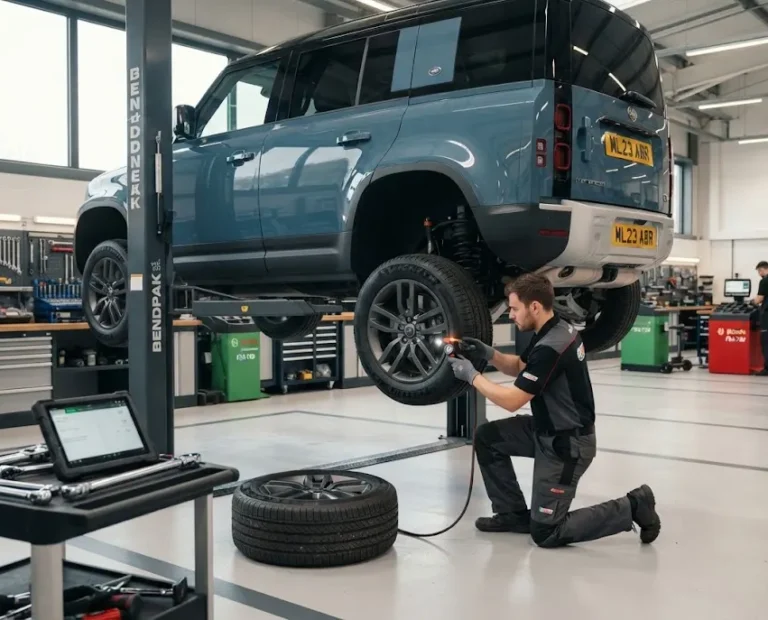
For example, a driver who notices unusual braking behaviour, steering changes or warning lights should not necessarily wait until the next scheduled service. Early inspection can help establish whether a relatively minor issue requires attention before it develops into a larger problem.
Drivers interested in the wider inspection process can also explore auto inspection services and how structured vehicle checks can support maintenance planning.
How to Budget for Vehicle Maintenance
Ownership budgeting becomes easier when maintenance is treated as a regular motoring expense rather than an occasional surprise. One practical approach is to estimate annual servicing and maintenance requirements and divide the expected amount across the year.
Drivers should also consider the age and mileage of the vehicle. Older cars may require a larger contingency because wear-related repairs become more likely as components accumulate mileage.
It is also useful to keep separate allowances for predictable and unpredictable expenses. Scheduled servicing can usually be planned, while a failed component or unexpected repair requires additional financial flexibility.
Comparing servicing prices from reputable garages can help establish a realistic local budget. However, price should be considered alongside the work included, technician experience, parts quality, warranty terms and diagnostic capability.
Using Pricing Analysis When Comparing Garages
Effective pricing analysis does not simply mean choosing the lowest quotation. Instead, motorists can compare what each quotation actually includes.
- Check whether labour is included.
- Confirm which parts and consumables are covered.
- Ask whether diagnostic checks are included where relevant.
- Check whether VAT is included in the quoted price.
- Understand whether additional faults require separate approval.
- Compare warranty or guarantee terms.
This approach can reveal why two garages may quote different amounts for apparently similar work. A slightly higher initial price may include additional services or higher-quality components, while a cheaper quotation may cover only the minimum required work.
Why Maintenance Planning Can Reduce Financial Surprises
Maintenance planning gives motorists greater control over ownership expenses. Keeping records of previous servicing, repairs and component replacements can provide a useful picture of what may be needed in the future.
It can also help drivers identify recurring issues. If the same component repeatedly requires attention, the owner can discuss the underlying problem with a qualified technician instead of simply treating each repair as an isolated event.
Maintenance planning is also closely connected with vehicle compliance. Scheduled servicing does not replace the legal MOT requirement, but keeping a vehicle properly maintained can support its overall roadworthiness. Drivers can learn more about the relationship between routine maintenance and MOT and service requirements when planning their annual vehicle care.
Economic Trends and the Future of Vehicle Maintenance
The UK automotive maintenance sector is being shaped by several long-term changes. Vehicles are becoming more technologically advanced, diagnostic systems are increasingly important and technicians need to maintain knowledge of new vehicle systems.
At the same time, household budgets remain sensitive to wider economic conditions. Inflation, energy costs, wages, parts pricing and changes in consumer spending can all affect how motorists approach maintenance.
These developments make reliable automotive information increasingly valuable. Drivers who understand maintenance trends can make more informed decisions about servicing schedules, repair priorities and long-term ownership costs.
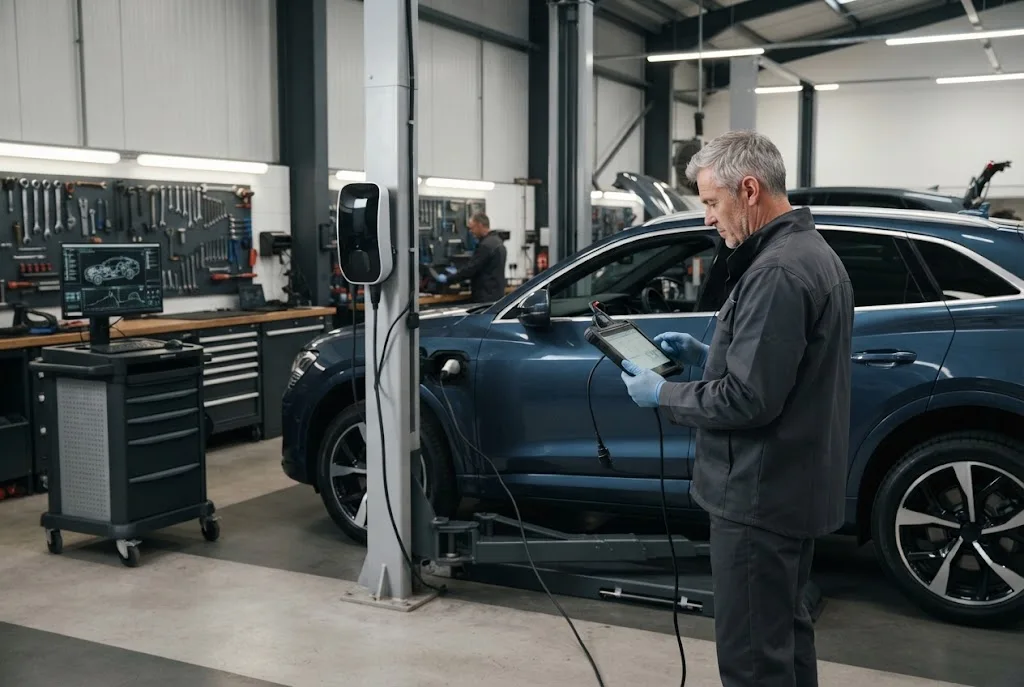
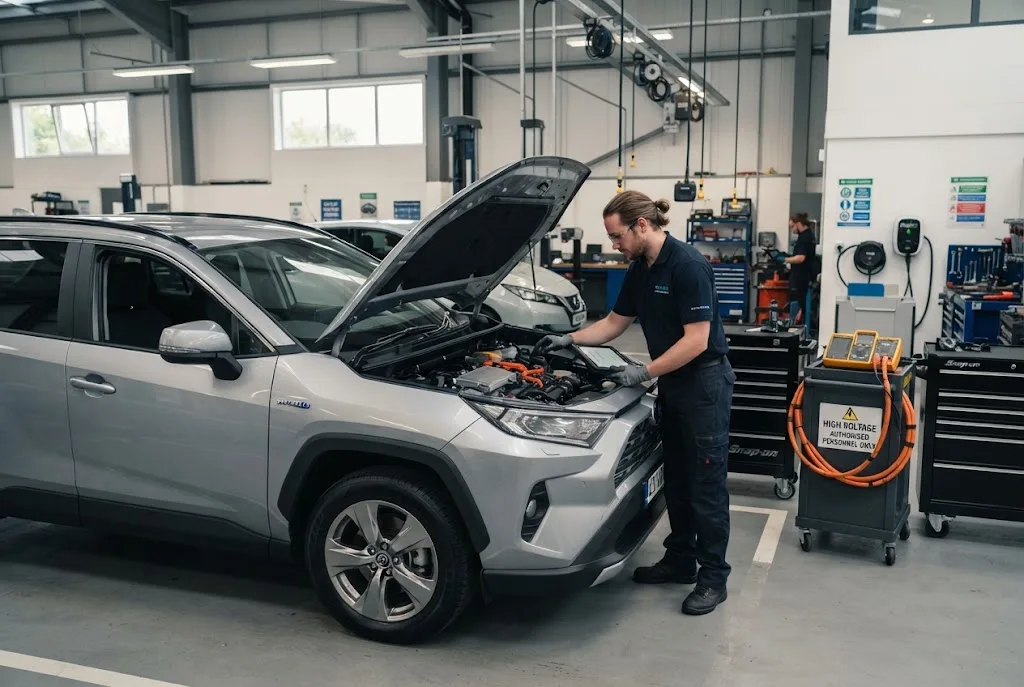
The shift towards electrification will also influence future servicing requirements. Hybrid and electric vehicles use different technologies from conventional petrol and diesel cars, creating new requirements for technician training, diagnostics and specialist equipment. For readers following these developments, hybrid services provide a useful starting point for understanding how vehicle maintenance is changing.
Building a More Predictable Maintenance Budget
There is no universal answer to how much a driver should spend on vehicle maintenance each year. Instead, the most useful approach is to understand the vehicle’s service schedule, age, mileage and condition while allowing for unexpected repairs.
Monitoring servicing prices and keeping maintenance records can make annual costs easier to anticipate. It can also help motorists recognise the difference between necessary maintenance and optional work, allowing them to discuss priorities with their chosen garage.
Ultimately, understanding car service cost is about more than tracking individual repair bills. It involves looking at servicing prices, labour, parts, inflation and vehicle condition as connected elements of ownership. By planning ahead and paying attention to changing economic trends, UK drivers can approach vehicle maintenance with a clearer understanding of where costs come from and how they may affect the overall ownership budget.