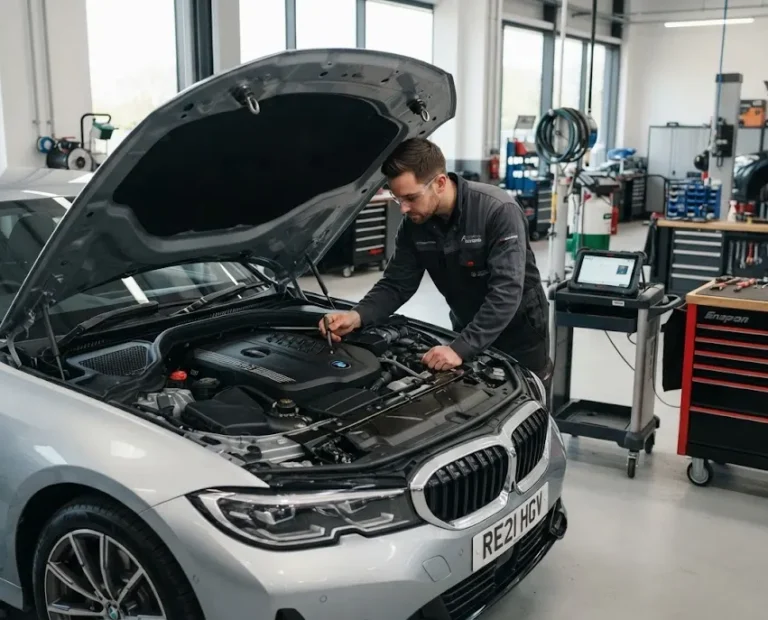
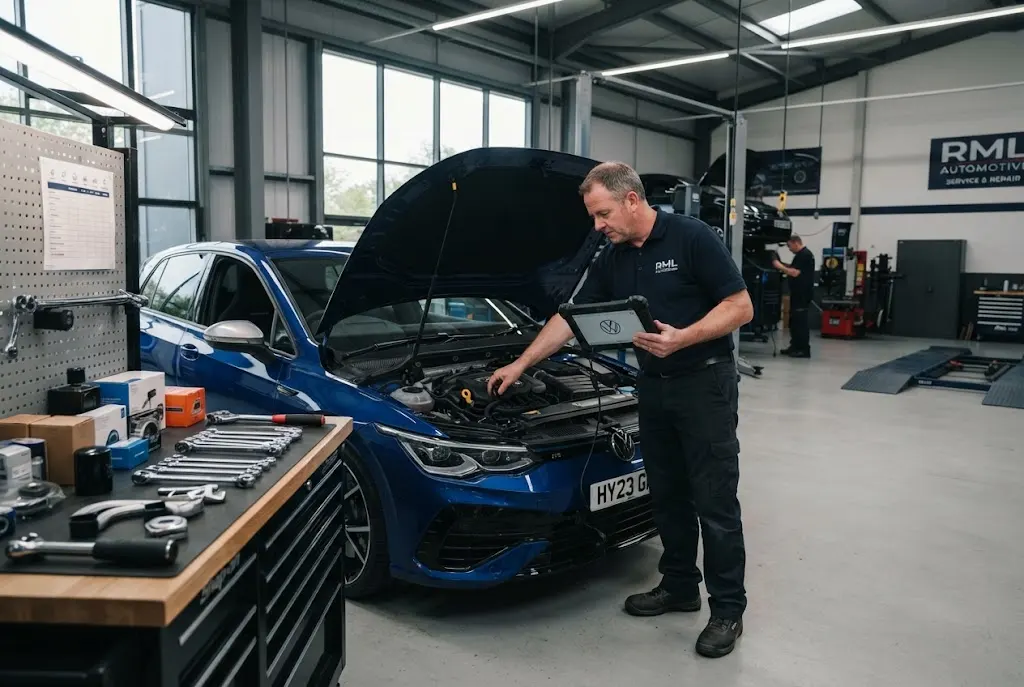
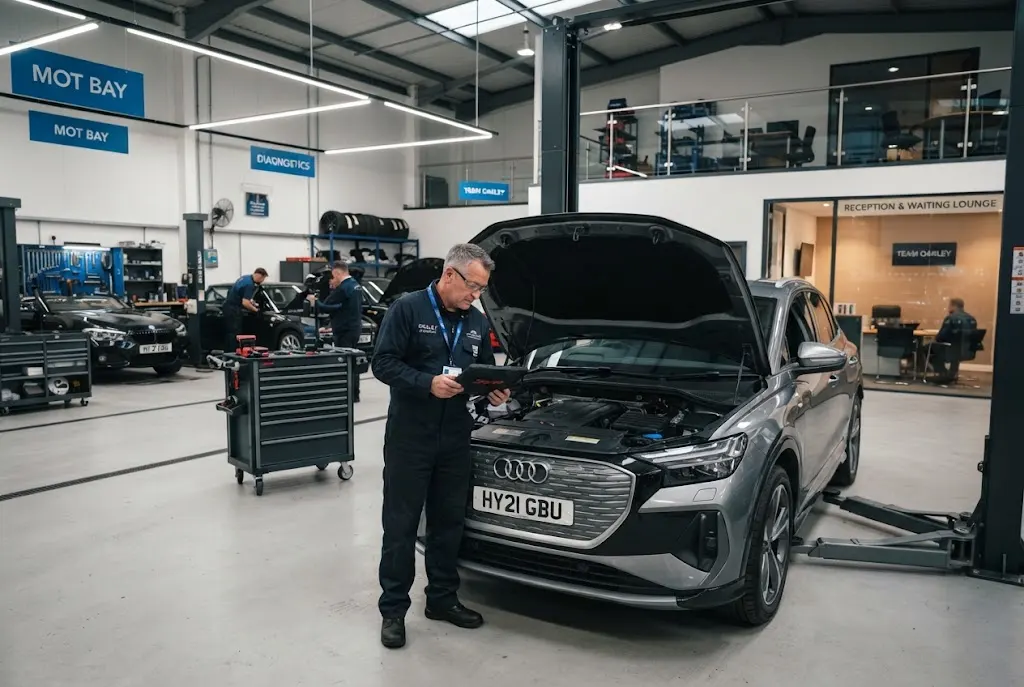
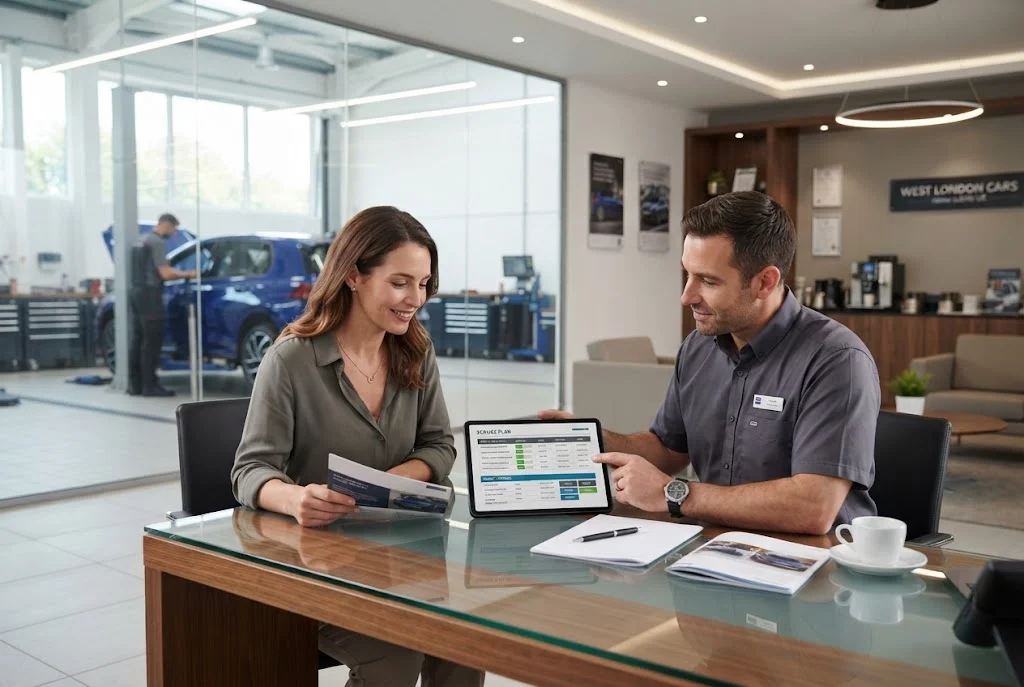
Automotive service companies form a vital part of the UK vehicle ownership ecosystem, helping motorists maintain, repair, inspect and extend the working life of their vehicles. The sector includes national garage chains, independent garages, authorised workshops, specialist repair businesses, tyre and fast-fit operators, mobile technicians and companies serving commercial fleets.
For motorists, this broad market provides more choice, but it can also make selecting the right provider more complicated. Price, convenience, technical capability, service quality and customer reviews can all influence the decision. Meanwhile, automotive businesses must respond to changing vehicle technology, evolving customer expectations and increasingly competitive digital channels.
What Are Automotive Service Companies?
Automotive service companies are businesses that provide maintenance, repair, inspection or related support for road vehicles. Their services can range from routine oil changes and brake work to diagnostics, MOT testing, tyre replacement, wheel alignment, electrical repairs and specialist work on newer vehicle technologies.
The sector is broader than traditional garages. A customer may use an independent workshop for mechanical repairs, an authorised workshop for manufacturer-specific servicing, a fast-fit chain for tyres and brakes, or a specialist provider for body repairs.
This diversity means the UK automotive aftermarket is best understood as a network of different business models rather than a single type of garage.
Automotive Service Companies and the UK Market
The UK market includes large national operators as well as thousands of smaller businesses. National networks can offer broad geographic coverage and recognisable brands, while independent garages often compete through local relationships, flexibility and specialist knowledge.
Large service networks such as Kwik Fit, Halfords, National Tyres & Autocare, ATS Euromaster and Protyre illustrate the scale of established automotive businesses. Their services overlap in several areas, although individual companies may have different strengths and operating models.
This competition is important because motorists can compare providers before making a booking. A customer looking for routine maintenance may consider several local options, while a driver with a specialist vehicle may prioritise technical expertise over proximity.
The competitive environment therefore encourages automotive service companies to improve not only their workshop capabilities but also customer communication, online visibility and booking convenience.
Independent Garages vs Larger Service Networks
Independent garages remain an important part of the UK automotive service industry. Their smaller scale can allow them to build long-term relationships with local customers and respond quickly to individual requirements.
Many independent businesses also develop expertise in particular vehicle types or repair categories. That specialisation can be valuable when a customer needs work that goes beyond routine servicing.
National networks have different advantages. A large service network may provide more locations, centralised booking systems, standardised procedures and extensive marketing. Customers who travel frequently may also appreciate being able to access a familiar brand in different parts of the country.
Neither model is automatically better. The appropriate choice depends on the vehicle, service required, budget, location and customer’s priorities.
The Role of Authorised Workshops
Authorised workshops occupy another important position in the market. These businesses operate within manufacturer or brand-specific service networks and can be particularly attractive to owners who want specialist knowledge of a particular vehicle make.
Authorised workshops may have access to manufacturer-specific diagnostic equipment, technical information and servicing procedures. They can therefore be relevant when a vehicle requires complex diagnostics or specialist repair work.
However, motorists should still compare the service required with the capabilities and pricing of available providers. Routine maintenance does not always require the same type of workshop as a complex technical repair.
How Service Quality Shapes Competition
Service quality is one of the most important factors influencing the reputation of automotive service companies. Vehicle maintenance is a trust-based purchase because customers often depend on technicians to identify faults and recommend work that affects vehicle safety and reliability.
Clear communication can make a significant difference. Customers should receive understandable explanations of problems, details of recommended repairs and information about expected costs before work proceeds where practical.
Professional businesses can also strengthen customer confidence through transparent estimates, documented work, clear warranty policies and appropriately trained technicians.
Customer reviews add another layer to this process. Online feedback allows motorists to assess the experiences of previous customers, making reputation increasingly important to both large networks and independent garages.
Digital Transformation in Automotive Services
The customer journey has changed considerably. Instead of simply driving to the nearest garage, motorists can search online, compare services, read reviews, check opening hours and request appointments before visiting a workshop.
As a result, automotive service companies increasingly need a strong digital presence. Local search visibility, service-specific webpages and simple online booking can influence whether a potential customer contacts a business.
Digital convenience can also reduce friction after the initial booking. Appointment reminders, digital inspection reports and online communication can help customers understand what work has been recommended and when their vehicle will be ready.
For smaller garages, these tools can provide an opportunity to compete with larger service networks without matching their advertising budgets. A well-optimised local website and strong reputation can help an independent workshop remain visible to customers in its immediate area.
Changing Vehicle Technology
One of the most significant industry trends is the changing technology found in modern vehicles. Petrol and diesel vehicles remain important, but hybrid and electric vehicles are becoming an increasingly relevant part of the servicing market.
This transition creates new requirements for workshops. Technicians may need additional training, specialist diagnostic equipment and procedures for working safely around high-voltage systems.
UK government guidance for MOT testers specifically addresses hybrid and electric vehicles and notes the presence of high-voltage systems in these vehicles. This reinforces the importance of appropriate knowledge and safety procedures when working with emerging vehicle technologies.
For a more focused examination of this change, hybrid servicing provides a useful related topic, while EV servicing explores the maintenance requirements associated with electric vehicles.
Industry Trends Affecting Automotive Service Companies
Growing demand for convenience
Customers increasingly value convenient appointment systems and flexible service options. Mobile maintenance can be particularly attractive to drivers who cannot easily leave their vehicle at a workshop for an extended period.
More sophisticated diagnostics
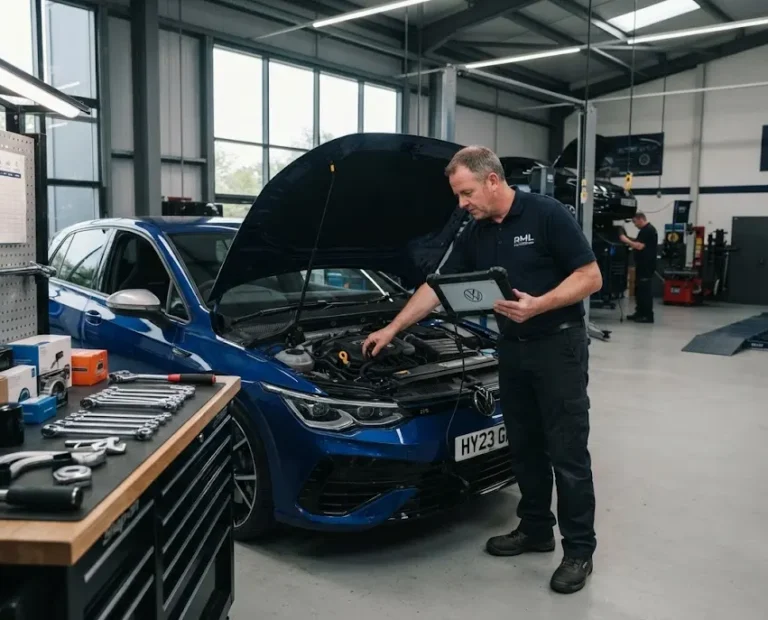
Modern vehicles rely heavily on electronic systems and computer-controlled components. Diagnostic capability has therefore become an important part of workshop competitiveness.
Vehicle technology diversification
Workshops must increasingly accommodate a mixed vehicle parc. Petrol, diesel, hybrid and electric vehicles can require different inspection, diagnostic and repair approaches.
Digital customer acquisition
Search engines, online reviews and digital booking systems are now important customer acquisition channels. Businesses that provide useful online information can make it easier for motorists to identify appropriate services.
Fleet opportunities
Commercial fleet customers can represent a valuable market because vehicles need regular maintenance to remain operational. Businesses managing multiple vehicles may prioritise reliability, predictable servicing arrangements and convenient network coverage.
Business Strategy in a Competitive Market
Business strategy differs considerably between large networks and independent garages. A national operator may focus on network expansion, brand recognition, centralised systems and economies of scale. An independent workshop may instead prioritise local reputation, specialist services and customer retention.
However, both models need to understand what customers value. Competing only on price can create pressure on margins, while competing on quality requires businesses to demonstrate why their service is worth choosing.
A strong strategy can combine competitive pricing with clear service information, technical capability and a reliable customer experience. This is especially important as motorists become more capable of researching alternatives before booking.
How Customers Can Compare Automotive Service Companies
Motorists should consider several factors rather than choosing a workshop solely because it advertises the lowest price.
- Check whether the garage offers the required service.
- Look at recent customer reviews and overall reputation.
- Ask about technician experience where specialist work is involved.
- Request clear information about recommended repairs and costs.
- Check whether the workshop has appropriate diagnostic equipment.
- Consider convenience, location and appointment availability.
- For hybrid or electric vehicles, confirm that the garage is equipped and trained for the relevant technology.
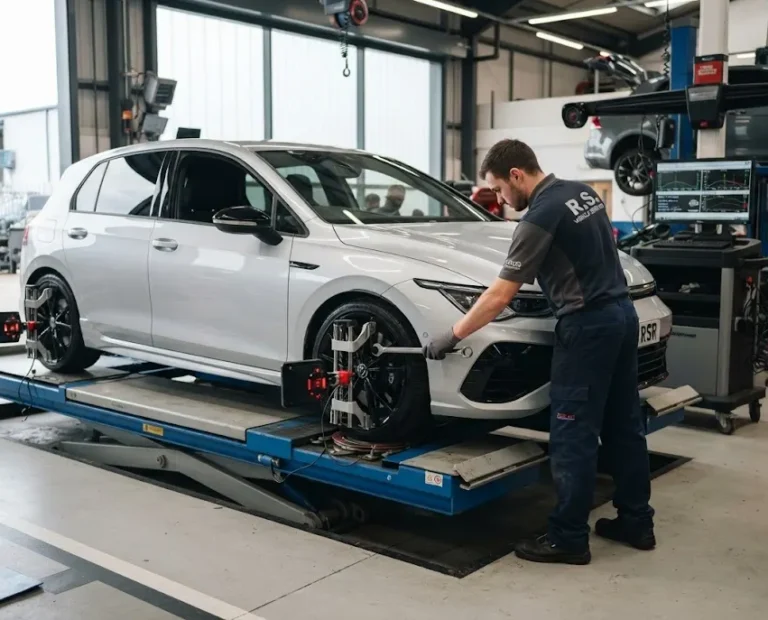
For jobs involving tyres or steering geometry, customers may also need specialist services such as wheel alignment. Choosing a workshop based on the actual requirement can help prevent unnecessary visits or incomplete repairs.
The Future of the Automotive Service Industry
The automotive service industry is likely to remain highly competitive because vehicle maintenance is an ongoing requirement. Even as propulsion technology changes, vehicles still require inspections, diagnostics, tyres, brakes, suspension work and other forms of maintenance.
The type of expertise required will continue to evolve. Automotive service companies that invest in technician training and suitable equipment can adapt to changes in the vehicle parc, while businesses that rely only on traditional maintenance capabilities may face greater challenges.
Digital services will also remain important. Customers increasingly expect easy booking, transparent communication and convenient access to information. Consequently, technology is becoming part of the service experience rather than simply an administrative tool.
Why Market Competition Benefits Motorists
Competition between independent garages, authorised workshops and national service networks can give customers more choice. Businesses have stronger incentives to improve service quality, invest in equipment and make their customer experience more convenient.
However, greater choice also means motorists need to understand what they are buying. The cheapest quote may not provide the most appropriate service, while the largest brand may not always be the best fit for a specialist repair.
A balanced decision considers technical capability, reputation, transparency, convenience and value.
Conclusion
Automotive service companies form a diverse and competitive part of the UK economy. National garage chains, independent garages, authorised workshops and specialist businesses all serve different parts of the market, giving motorists a wide range of choices.
The industry’s future will be shaped by changing vehicle technology, digital customer expectations, service quality and evolving business strategies. Hybrid and electric vehicles will require additional technical capabilities, while online booking and local search will continue to influence how customers discover and compare workshops.
For businesses, the strongest long-term strategy is unlikely to rely on price alone. Technical expertise, trustworthy service, convenient customer experiences and the ability to adapt to industry trends will remain central to competing successfully in the UK automotive aftermarket.