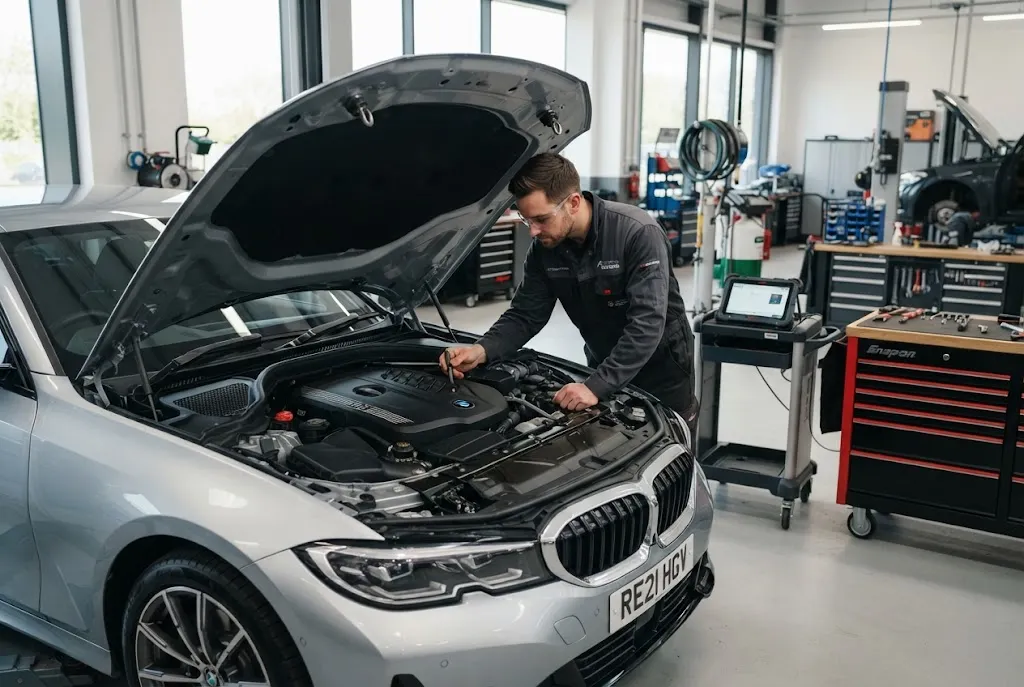
Choosing the right garage can make a significant difference to the ownership experience. Reliable garage services should combine technical expertise, appropriate equipment, clear communication and professional standards. Whether a vehicle needs routine servicing, diagnostic work or a more complex repair, drivers need confidence that the workshop understands the vehicle and can explain what needs to be done.
What Defines High-Quality Garage Services?
Good garage services begin with the fundamentals. A workshop should have appropriately trained staff, suitable tools and diagnostic equipment, organised working practices and a clear process for dealing with customer vehicles.
Quality also involves communication. Customers should be able to understand what has been identified, which work is recommended and why the work may be necessary. Technical information can be complex, but explanations do not need to be confusing.
A professional garage should also distinguish between essential work and recommendations that can reasonably be planned for later. This helps customers make informed decisions rather than feeling pressured into approving every possible item immediately.
Independent Garages and Authorised Workshops
Independent garages are an important part of the UK automotive service sector. They can range from small specialist workshops to larger businesses offering servicing, diagnostics and repairs across several vehicle brands.
Authorised workshops, meanwhile, operate within a manufacturer’s network and may have access to manufacturer-specific systems, equipment, technical information and servicing procedures. For certain vehicles, particularly newer models or those requiring specialist manufacturer support, this can be an important consideration.
Independent workshops can also develop significant expertise, particularly when they specialise in particular vehicle brands, systems or types of repair. Drivers should therefore look beyond the label of “independent” or “authorised” and consider the actual capabilities of the workshop.
The most appropriate choice depends on the vehicle, work required, warranty or service-plan conditions and the driver’s priorities.
Workshop Expertise Matters
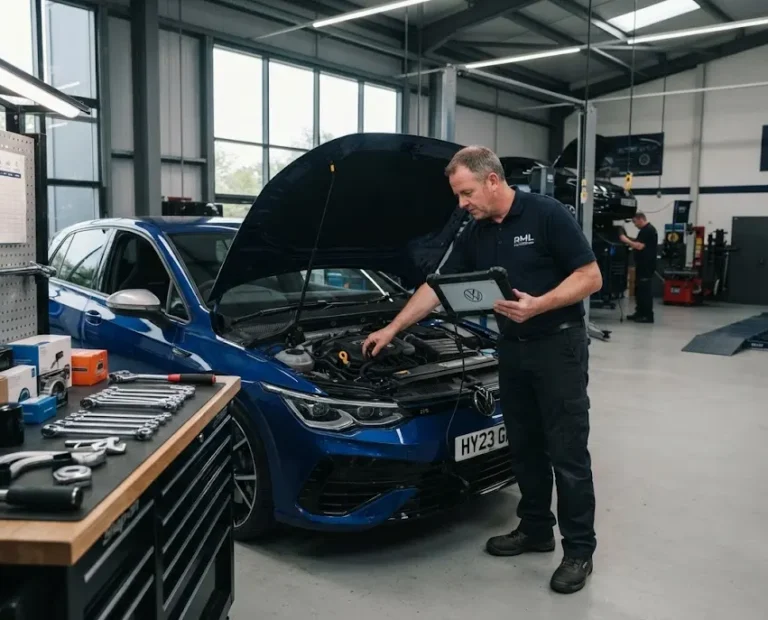
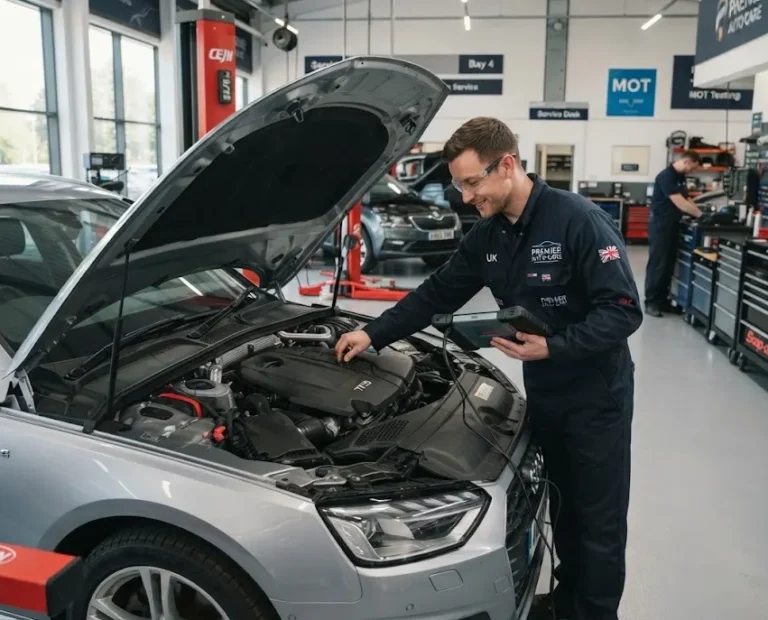
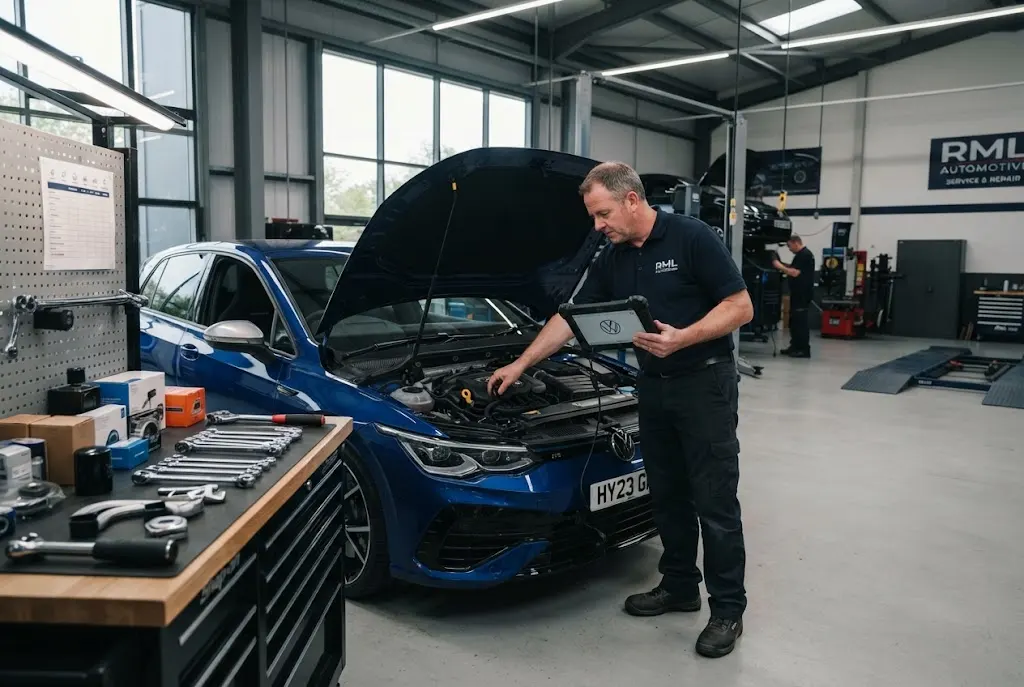
Workshop expertise is one of the most important factors when choosing a garage. Modern vehicles combine mechanical components with increasingly sophisticated electrical and electronic systems, so technicians need appropriate knowledge for the vehicles they work on.
For routine work, this may involve understanding manufacturer service requirements and following suitable procedures. For complex faults, technicians may need advanced diagnostic equipment and a strong understanding of vehicle electronics.
Training should also evolve as vehicle technology changes. Hybrid and electric vehicles, advanced driver-assistance systems and connected vehicle technology all create different servicing considerations.
A garage does not necessarily need to specialise in every type of vehicle. However, it should be honest about the work it is equipped and qualified to undertake.
Why Repair Quality Should Come First
Repair quality is ultimately more important than how impressive a garage’s reception area or website appears. A vehicle should be repaired using appropriate methods, suitable parts and proper procedures.
Quality repairs also involve accurate diagnosis. Replacing parts without understanding the underlying problem can lead to unnecessary expense and may fail to resolve the original fault.
A professional diagnostic process should therefore consider the symptoms, available diagnostic information and physical inspection before a repair recommendation is made.
Customers can ask reasonable questions about the proposed work. A reputable workshop should be able to explain the problem and the recommended solution in terms that the vehicle owner can understand.
Service Standards and Professional Processes
Strong service standards create consistency. They help ensure that customers receive a similar level of care regardless of which technician handles the vehicle.
Professional processes can include documented inspections, clear job descriptions, appropriate quality checks and accurate invoicing. These procedures may appear administrative, but they can contribute directly to a better customer experience.
For MOT testing in Great Britain, the Driver and Vehicle Standards Agency has specific requirements covering areas such as tester competence, equipment, quality management and centre operations. This illustrates the importance of formal processes within regulated areas of automotive servicing.
For general servicing and repairs, customers should still look for evidence of organised working practices and appropriate technical standards.
Customer Experience Is Part of Good Servicing
Technical work is only one part of the relationship between a garage and its customers. Customer experience begins when an appointment is requested and continues until the vehicle is collected.
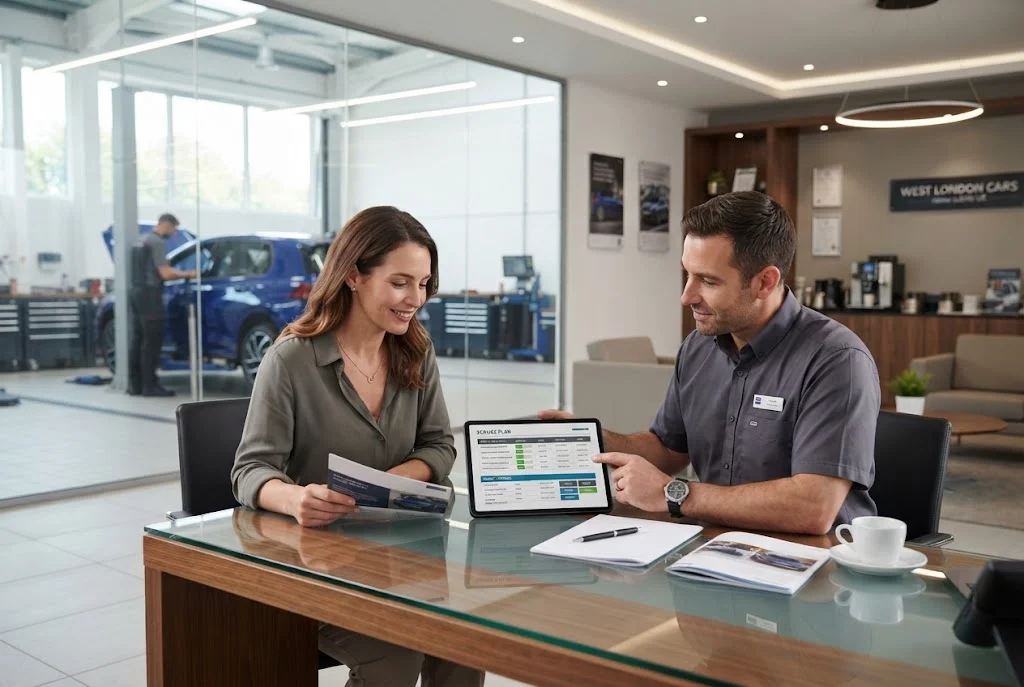
A good garage should make basic information easy to understand. Customers should know when their vehicle is expected, what work is being considered and when they can expect an update.
Digital communication can make this process more convenient. Online booking, automated reminders, digital inspection reports and electronic invoices can reduce administrative friction and make information easier to access.
However, technology should support communication rather than replace it. When a repair requires discussion, customers should still have access to someone who can explain the situation properly.
Transparent Pricing Builds Trust
Pricing is naturally an important part of choosing a garage. However, the lowest quoted figure does not necessarily represent the lowest overall cost.
Customers should look for clarity about labour, parts, diagnostic charges and any additional work that may be recommended. If a technician identifies further work after an inspection, the customer should understand what has been found before deciding whether to proceed.
UK consumer guidance states that services supplied to consumers should be performed with reasonable care and skill. Where a price has not been agreed, the law also provides that a reasonable price should be charged. These consumer rights are separate from any individual garage’s commercial policies.
A clear estimate or agreed price can nevertheless make the customer experience much easier because it reduces uncertainty before work begins.
Does the Garage Have the Right Equipment?
Modern vehicles can require more than traditional mechanical tools. Appropriate diagnostic equipment is increasingly important, particularly when dealing with electronic systems.
A garage should have equipment suitable for the type of work it advertises. A workshop specialising in modern vehicles may need advanced diagnostic capabilities, while a specialist garage may require equipment specific to certain manufacturers or vehicle technologies.
Equipment alone does not guarantee a correct repair. The technician’s ability to interpret diagnostic information and apply it correctly remains essential.
Maintenance Records and Communication
A strong garage should make it easy for customers to understand their vehicle’s maintenance history. Accurate records can help technicians see what has already been done and identify upcoming requirements.
This becomes particularly useful when a vehicle has changed hands or when different technicians have worked on it over time.
Digital records can improve accessibility, while traditional invoices and service documentation remain useful evidence of completed work. Drivers should keep important maintenance information rather than relying entirely on a garage to retain every historical record.
Good communication also means explaining future maintenance without presenting every recommendation as an immediate emergency. This allows customers to plan rather than react.
How a Good Garage Handles Inspections
A professional inspection should be systematic. Technicians need to assess the relevant components according to the type of service or repair being performed.
Digital inspection systems can help workshops document findings and, where appropriate, provide photographs or other information to customers. This can make the condition of the vehicle easier to understand.
However, customers should focus on the quality of the explanation rather than the technology itself. A sophisticated inspection platform is useful only when the information it produces is accurate, relevant and communicated clearly.
Signs That a Garage Takes Professional Servicing Seriously
There are several practical signs that can help a driver assess a workshop before committing to major work.
- The garage clearly explains the services it provides.
- Technicians have relevant qualifications, training or specialist experience.
- The workshop uses appropriate diagnostic and servicing equipment.
- Customers receive clear information about recommended work.
- Pricing and estimates are communicated before additional work is undertaken.
- Maintenance and repair records are properly documented.
- The business provides realistic timeframes rather than making unrealistic promises.
- Questions about repairs are answered clearly and professionally.
- The garage is willing to explain why particular work is recommended.
- Safety-related issues are treated with appropriate seriousness.
No single factor proves that a workshop will be suitable for every vehicle. The purpose of these checks is to help customers ask better questions before choosing where to have their car serviced or repaired.
Choosing a Garage for Routine Vehicle Maintenance
Drivers who plan to keep a vehicle for several years may benefit from building a relationship with a garage that understands the car’s history.
Consistent servicing can make maintenance planning easier because the workshop becomes familiar with previous work and recurring requirements. This fits into a broader approach to vehicle maintenance and long-term ownership.
Drivers using structured servicing arrangements should also consider whether the workshop is included within their chosen plan. Our guide to car service plans explains why coverage, exclusions, provider restrictions and servicing schedules should be checked before committing to a maintenance package.
The Importance of Specialisation
Some vehicles benefit from specialist knowledge. A workshop that regularly works on a particular manufacturer or vehicle type may have more familiarity with common faults, diagnostic procedures and maintenance requirements.
This can be particularly relevant for performance cars, classic vehicles, hybrids, electric vehicles or models with complex specialist systems.
Specialisation is not automatically necessary for routine work on every vehicle, but it is worth considering when a repair involves systems outside a general workshop’s normal scope.
Digital Workshops Are Changing Garage Services
The garage experience is becoming increasingly digital. Online booking, automated reminders, electronic inspection reports and workshop management systems can improve efficiency and customer communication.
This development does not remove the need for skilled technicians. Instead, it can give technicians better information and allow workshops to spend less time on repetitive administration.
Our guide to the future of the auto service garage explores how digital workshops, workshop automation, service innovation and maintenance technology are changing the automotive service environment.
For customers, the ideal result is not technology for its own sake. It is a garage experience that combines modern convenience with accurate diagnosis, skilled workmanship and clear communication.
What Makes a Great Garage?
The best way to assess garage services is to look at the complete experience rather than one isolated feature. A workshop needs technical competence, appropriate equipment, professional processes and a commitment to communicating clearly with customers.
Independent garages and authorised workshops can both provide valuable services, but their capabilities and specialisms can differ. The right choice depends on the vehicle, work required, servicing arrangements and the customer’s priorities.
Ultimately, a great garage is one that treats vehicle maintenance as professional work rather than simply a transaction. It should diagnose problems carefully, explain recommendations clearly, carry out work to an appropriate standard and maintain accurate records.
As vehicles become increasingly connected and technologically complex, these principles will remain important. Technology may change how garages operate, but expertise, repair quality, service standards and customer trust will continue to form the foundation of professional servicing.