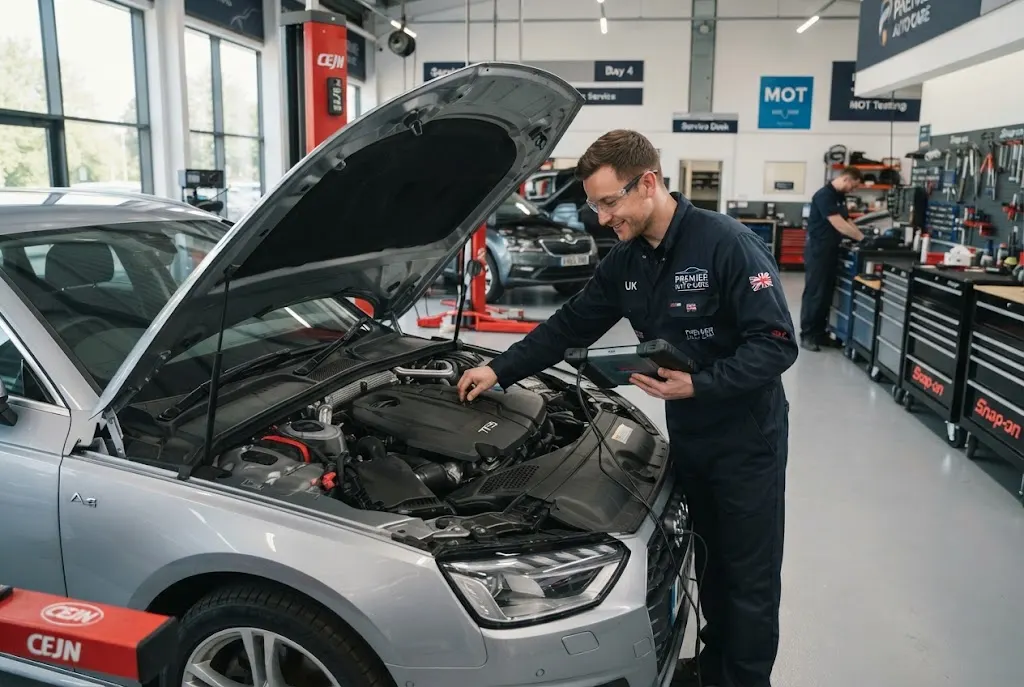
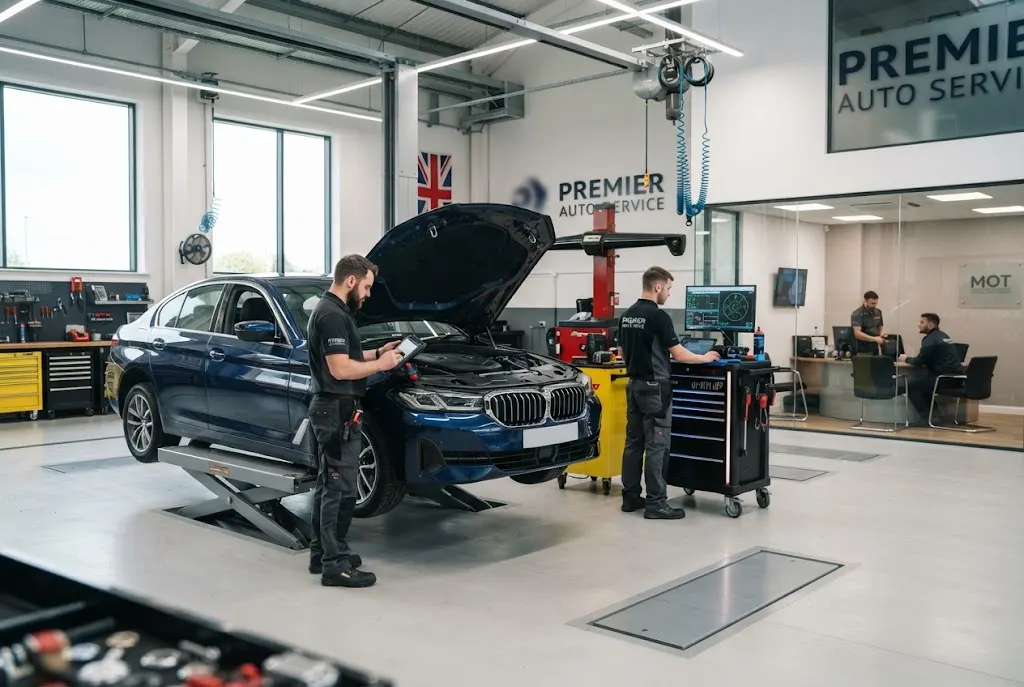
Mobile auto service is changing how some motorists access vehicle repairs and maintenance. Instead of taking every vehicle to a conventional workshop, customers can arrange for a qualified mobile mechanic to visit a suitable location for certain services. This model combines automotive expertise with convenience and reflects changing consumer expectations across the UK.
The growth of on-demand servicing is not simply about sending a mechanic to a customer’s driveway. Behind the service is a business model involving scheduling, equipment, travel time, parts management, digital booking and decisions about which jobs can realistically be completed away from a workshop. Understanding these factors helps explain both the opportunities and limitations of mobile automotive businesses.
What Is Mobile Auto Service?
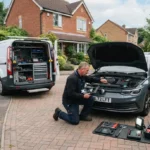
Mobile auto service involves delivering selected automotive services at a customer’s location rather than requiring the vehicle to visit a traditional workshop. Depending on the provider, services may include certain inspections, routine maintenance, diagnostics, minor repairs and other tasks that can be safely completed with mobile equipment.
The approach can be particularly useful when a vehicle is difficult or inconvenient to move. A customer may have a vehicle that has developed a fault at home, at work or in another suitable location and may prefer professional assistance without arranging a recovery journey to a garage.
However, mobile servicing is not a universal replacement for a workshop. Some repairs require lifting equipment, specialist machinery, extensive parts access or a controlled workshop environment. A responsible provider should therefore establish whether a particular job is suitable for mobile completion before accepting it.
Why Mobile Auto Service Is Growing
Convenience is one of the strongest reasons customers consider mobile servicing. Modern consumers are increasingly accustomed to arranging services digitally and fitting appointments around work, family and other commitments.
Taking a vehicle to a garage can involve travel, waiting and arranging alternative transport. A mobile mechanic can potentially reduce some of this disruption by carrying out suitable work where the vehicle is located.
Changing consumer habits are therefore influencing automotive service models. Customers are not necessarily demanding fewer professional services; they are increasingly interested in how those services are delivered.
This creates an opportunity for automotive businesses that can provide reliable technical work while making the process simpler for customers.
The Role of the Mobile Mechanic
The mobile mechanic is at the centre of this business model. Unlike a technician working within a fixed workshop, a mobile professional must operate with a carefully selected set of tools and equipment that can be transported between appointments.
Preparation is therefore particularly important. The mechanic needs sufficient information about the vehicle and reported fault to determine what equipment, diagnostic tools and potential parts may be required.
Accurate initial information can improve efficiency. If a customer describes a problem clearly, the provider may be able to assess whether it is appropriate for mobile repair and prepare accordingly.
Professionalism also matters. Customers are inviting the technician to work at their home, workplace or another location, so communication, punctuality and clear explanations can strongly influence the overall experience.
Digital Booking Is Supporting the Business Model
Digital booking has become an important part of on-demand automotive services. Customers can potentially select a service, provide vehicle details, describe a problem and request an appointment without making several telephone calls.
For the business, a structured booking system can provide useful information before the appointment. Vehicle registration details, service requirements and location information can help with planning and scheduling.
Digital communication can also make appointment reminders and updates easier to manage. This can reduce unnecessary administrative work while helping customers understand when the technician is expected to arrive.
However, digital convenience should be supported by good operational processes. A simple booking interface cannot compensate for poor scheduling, inaccurate estimates or inadequate preparation.
How Mobile Servicing Differs From a Traditional Garage
A conventional auto service garage provides a controlled physical environment with equipment designed for a wide range of repairs. Vehicles can be lifted, dismantled and worked on using machinery that would be impractical to transport.
Mobile services operate under different constraints. Space, weather, access, equipment capacity and local conditions can all influence what work can be completed.
Neither model is automatically better for every situation. The right choice depends on the type of work, the condition of the vehicle and the customer’s circumstances.
Mobile servicing is particularly attractive when convenience is a priority and the required job can be safely completed with portable equipment. More complex repairs may still be better suited to a fully equipped workshop.
The Economics of Mobile Auto Service
The economics of mobile auto service are shaped by both productivity and travel. A fixed workshop can have several vehicles in different service bays, while a mobile mechanic may spend part of each working day travelling between customers.
Travel time therefore becomes an important operational consideration. Efficient route planning and sensible appointment scheduling can help reduce unproductive journeys.
Location also influences business viability. A provider serving a concentrated geographical area may be able to schedule multiple appointments efficiently, whereas customers spread across a large region can create greater travel requirements.
Equipment represents another consideration. A mobile business must invest in tools and diagnostic equipment that provide sufficient capability without creating an impractical or overly costly vehicle setup.
These factors mean that mobile automotive businesses need to balance customer convenience with operational efficiency.
Which Services Suit a Mobile Model?
Not every automotive job is suitable for mobile servicing. The feasibility of a mobile appointment depends on the vehicle, fault, required equipment and working environment.
Some maintenance and diagnostic tasks may be practical when appropriate equipment is available. Certain minor repairs can also be suitable. In contrast, jobs requiring extensive dismantling, specialist workshop machinery or significant vehicle lifting may be better completed at a fixed facility.
Customers should provide accurate information when booking. This gives the provider a better opportunity to determine whether the requested service can be performed at the chosen location.
Where a problem requires more extensive repair work, a mobile technician may identify the issue and recommend that the vehicle is taken to an appropriately equipped workshop.
Mobile Auto Service and Preventive Maintenance
Mobile servicing can also support a more proactive approach to vehicle ownership. Rather than waiting for a major failure, motorists may use suitable mobile services for selected maintenance tasks and inspections.
This complements a broader vehicle maintenance strategy, where scheduled servicing and regular checks help owners keep track of their vehicle’s condition.
Convenience can be particularly useful here. If a maintenance task can be completed at home or work, the reduced disruption may make it easier for some customers to keep up with routine care.
Nevertheless, mobile servicing should complement rather than replace the manufacturer’s maintenance recommendations and professional inspections where required.
Roadside Assistance and Mobile Repairs
Roadside assistance overlaps with the mobile service model because both involve delivering automotive expertise away from a conventional workshop. However, the circumstances can be very different.
Roadside assistance generally responds to an immediate breakdown or vehicle problem, where the priority is getting the motorist safely mobile again or determining whether recovery is necessary.
Planned mobile servicing is more proactive. The customer schedules an appointment for a known maintenance requirement or suitable repair.
This distinction matters for businesses because emergency work can involve different equipment, response times and operational requirements from scheduled mobile appointments.
Customer Experience Can Drive Industry Growth
Convenience alone does not guarantee a successful mobile automotive business. Customers still expect accurate diagnosis, competent workmanship, fair communication and professional service.
In fact, customer experience can become even more important when the technician works directly at a customer’s location. The process needs to be organised because there is less separation between the service environment and the customer.
Clear estimates and explanations can help establish realistic expectations. If additional work is discovered, customers should understand what has been found and why further attention may be required.
This emphasis on service quality connects with the wider development of auto care services, where motorists increasingly consider convenience, maintenance planning and professional advice together.
Challenges Facing Mobile Automotive Businesses
Mobile servicing has clear opportunities, but the business model also presents challenges. Weather can affect working conditions, particularly for jobs performed outdoors. Parking restrictions and difficult vehicle access can create practical problems.
Travel can also reduce productivity if appointments are poorly organised. A delayed job may affect several later bookings, making scheduling accuracy particularly important.
Parts management can be another challenge. A mobile technician cannot realistically carry every possible component for every vehicle. When an unexpected part is required, the business may need to arrange a second appointment or move the vehicle to a workshop.
These limitations demonstrate why careful job assessment and communication are essential to the success of the model.
Technology and the Future of Mobile Repairs
Technology is likely to play an increasingly important role in mobile automotive businesses. Digital booking, customer records, route planning and diagnostic equipment can all support more efficient operations.
As vehicles become more electronically sophisticated, mobile technicians may also require increasingly capable diagnostic tools. The ability to interpret vehicle data can become an important part of determining whether a fault can be diagnosed or addressed at the roadside or another remote location.
At the same time, mobile businesses will need to maintain appropriate technical knowledge and equipment. Technology can improve efficiency, but it does not remove the need for skilled automotive judgement.
How Mobile Auto Service Fits Into the Wider Automotive Market
Mobile auto service represents one part of a broader transformation in automotive servicing. Traditional workshops remain essential, particularly for complex repairs and jobs requiring specialist facilities, but customers now have more ways to access professional vehicle care.
The model also reflects a wider movement towards services designed around customer convenience. As digital booking becomes normal and motorists become more comfortable arranging services online, mobile automotive businesses can potentially reach customers who value flexibility.
For established garages, this trend may also create opportunities to develop mobile elements alongside their existing workshop operations, provided the services can be delivered safely and efficiently.
The Future of Mobile Auto Service
The future of mobile auto service will depend on how effectively businesses balance convenience, technical capability and operational efficiency. Customers want easier access to automotive expertise, but they also expect the same professionalism and quality they would associate with a reputable workshop.
Mobile mechanics that use appropriate equipment, communicate clearly and understand the limits of their service model can offer a valuable alternative for suitable jobs.
At the same time, the traditional workshop will remain important. Some repairs simply require facilities that cannot be carried in a service vehicle.
Ultimately, mobile automotive servicing is best understood as an additional way of delivering vehicle care rather than a complete replacement for conventional garages. Its growth reflects a straightforward change in consumer expectations: motorists increasingly value professional services that fit more naturally into their daily lives.
As the industry continues to evolve, businesses that combine skilled technicians, digital booking, sensible service planning and strong customer experience will be well positioned to benefit from the continued demand for convenient automotive solutions.