Bringing an animal into your home is one of the most rewarding decisions you can make — and one of the easiest to get wrong when you choose with your heart before your head. Learning how to choose a pet that genuinely fits your lifestyle saves years of stress for both you and the animal. The right match depends on your space, your routine, your budget and your energy, not just which puppy has the cutest face. This guide walks through the honest questions to ask before you choose a pet, and how the main options compare.
Start With Your Real Routine, Not Your Ideal One
Before you choose a pet, write down what your days actually look like. How many hours is the house empty? How much time do you honestly have for walks, play and training — on a wet Tuesday in February, not just on a sunny weekend? Dogs, for example, need company, exercise and training every single day for a decade or more. Cats are more independent but still need daily feeding, play and attention. Smaller animals such as rabbits, guinea pigs and hamsters need less interaction but daily cleaning and handling. Matching the animal to your real schedule is the single most important part of choosing well, in the same way that realistic self-care routines only work when they fit the life you actually live.
Space: What Your Home Can Offer
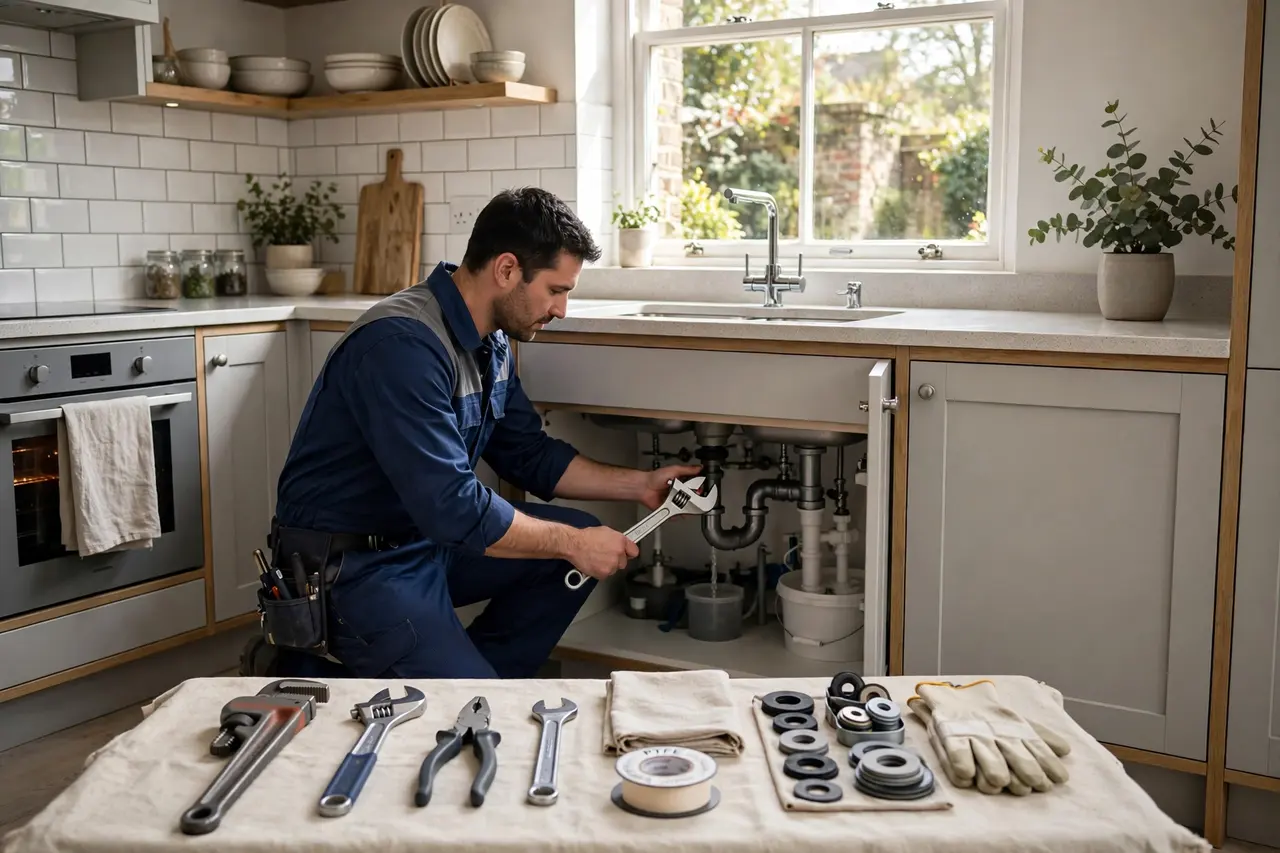
A large, energetic dog in a small flat with no garden is a recipe for frustration on both sides. Think about indoor space, outdoor access and your neighbours. If you rent, check your tenancy agreement first — many landlords restrict pets or certain breeds. Preparing a home for an animal can also mean practical jobs: securing a garden, fixing a fence or adding a stair gate. It is worth having trusted tradespeople in mind for the bigger tasks; our guide to choosing a reliable plumber shows the same vetting process that works for any home professional. Fish and small mammals suit smaller homes, while cats adapt well to flats as long as they have vertical space, scratching posts and a litter area.
The True Cost of Owning a Pet
The purchase price is the smallest part of pet ownership. Budget for food, insurance, vaccinations, flea and worm treatment, grooming, bedding, toys and unexpected vet bills — a single emergency operation can cost thousands of pounds. Dogs are typically the most expensive, followed by cats, with small mammals and fish cheaper but not free. If the monthly cost looks tight on paper, wait until it does not. A pet should never be the reason the rest of your budget fails, and building the cost into your normal monthly planning keeps ownership enjoyable rather than stressful.
Dogs, Cats and Small Pets Compared
When you choose a pet, you are really choosing a lifestyle. Dogs give companionship, routine and exercise, but demand the most time: daily walks in all weather, training, and arrangements whenever you go away. Cats suit people who want affection with independence; they groom themselves, use a litter tray, and are content alone for longer stretches, though they still need play and company. Small mammals — rabbits, guinea pigs, hamsters — are gentle, quieter and cheaper, making them popular first pets, but they need daily handling to stay tame and their housing takes more space than many people expect. Fish and reptiles are calming to watch and quiet to keep, but their tanks and heating need careful, consistent maintenance.
Energy Levels and Temperament
Within every species, individuals differ enormously. A border collie needs a job to do; a greyhound is famously happy with a short walk and a long sleep. Research breeds carefully if you want a dog, and consider an adult rescue animal whose personality is already known — rescues can also advise honestly on whether a particular animal suits your home. For first-time owners, training support makes a huge difference: local classes are best, but you can build a foundation at home first, and our guide to choosing an online course explains how to spot quality teaching — the same checks apply to online dog-training programmes.
Pets and Travel: Plan Before You Book
Your holidays change when you own a pet. Dogs can join many UK trips — plenty of cottages and hotels now welcome them — and our advice on how to choose a hotel will help you spot genuinely pet-friendly stays rather than places that merely tolerate animals. Packing changes too: food, leads, bedding and medications join your own list, which is where a system like our city break packing guide adapts well. If travel is a huge part of your life and pet-sitters or family help are not available, a lower-commitment animal — or waiting a few years — may be the kinder choice.
Where to Get Your Pet
Reputable breeders and rescue centres are the two safe routes. A good breeder will show you the mother, provide health records and ask you as many questions as you ask them. Rescue centres across the UK are full of animals needing homes, including puppies and pedigree breeds, and their staff match animals to households carefully. Avoid online adverts offering immediate delivery with no questions — that is the hallmark of puppy farming. Whichever route you choose, budget for a vet check within the first week and microchipping, which is a legal requirement for dogs and, since 2024, for cats in England too.
A Final Checklist Before You Choose a Pet
- Can I give this animal the time it needs every day for its whole life?
- Does my home — and my tenancy, if I rent — allow this pet?
- Can I afford food, insurance and vet bills without strain?
- Who looks after the pet when I travel or fall ill?
- Have I researched the breed or species, not just the appearance?
If you can answer yes to all five, you are ready to choose a pet with confidence. Take your time, meet the animal more than once if you can, and trust the match that fits your real life. The right pet does not just fit into your home — it improves it, adding routine, companionship and a great deal of joy to everyday life.