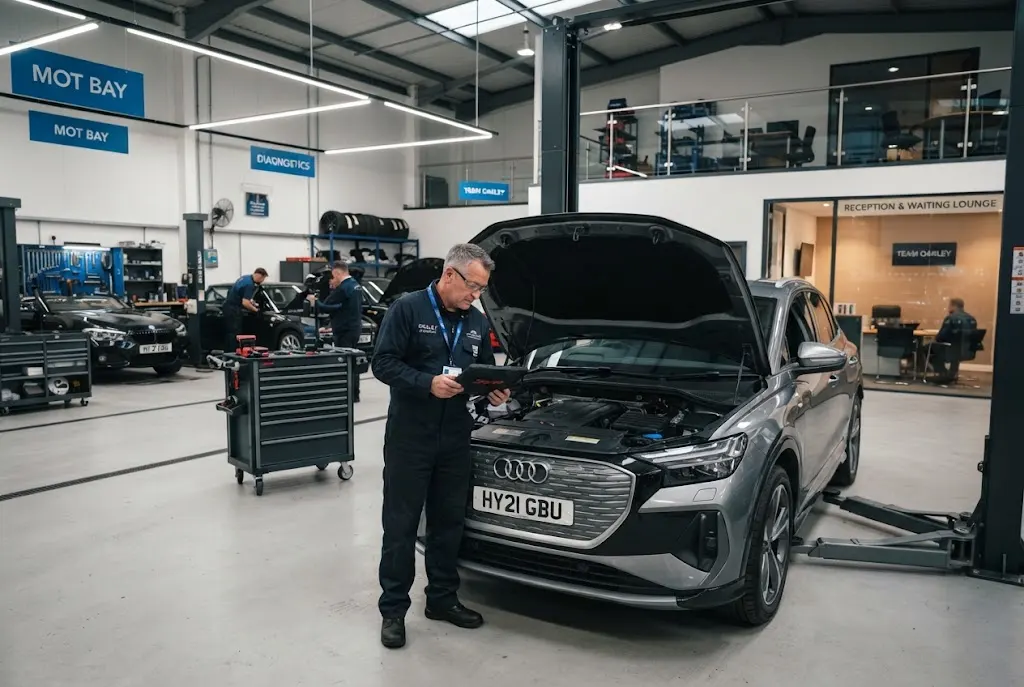
Tyre services are an essential part of responsible vehicle ownership in the UK. Tyres are the only parts of a car that remain in direct contact with the road, so their condition can influence braking, steering, acceleration, cornering and overall road safety. Regular checks, professional fitting and timely replacement can help drivers maintain safe and predictable vehicle performance throughout the year.
Tyre maintenance should not be treated as something that only matters when a tyre becomes visibly worn or develops a puncture. Pressure, tread depth, damage, uneven wear, correct fitment and suitability for the vehicle all deserve attention. A practical tyre strategy combines routine checks with professional assessment when replacement or repair is required.
Why Tyre Services Matter for UK Drivers
Tyres play a fundamental role in vehicle safety because they provide the contact between the vehicle and the road. TyreSafe explains that acceleration, braking, steering and cornering all depend on this relatively small contact area. It also recommends that replacement tyres are correctly selected for the vehicle and that changes in tyre size or type should be discussed with the vehicle or tyre manufacturer.
This makes tyre maintenance more important than simply keeping the vehicle looking roadworthy. A tyre can appear acceptable from a distance while having low pressure, uneven wear or damage that requires closer inspection.
UK drivers are responsible for ensuring that their vehicles are safe to drive. GOV.UK states that tyres must have the correct tread depth and be free from cuts and defects.
Consequently, tyre services should form part of routine vehicle maintenance rather than being treated as an occasional expense.
Understanding Tyre Safety Requirements in the UK
For cars, light vans and light trailers in the UK, the legal minimum tread depth is 1.6mm across the central three-quarters of the tread and around the entire circumference. This requirement is set out in the Highway Code and reflected in the MOT inspection guidance.
However, reaching the legal minimum should not necessarily be the point at which drivers first consider replacement. GOV.UK has previously advised drivers to consider changing car tyres at around 2mm as a sensible precaution rather than waiting until the legal limit is reached.
Drivers should also inspect tyres for cuts, bulges, cracks, exposed cords and other visible damage. A tyre can be legally above the minimum tread depth while still being unsuitable for use because of physical damage.
What Tyre Fitting Involves
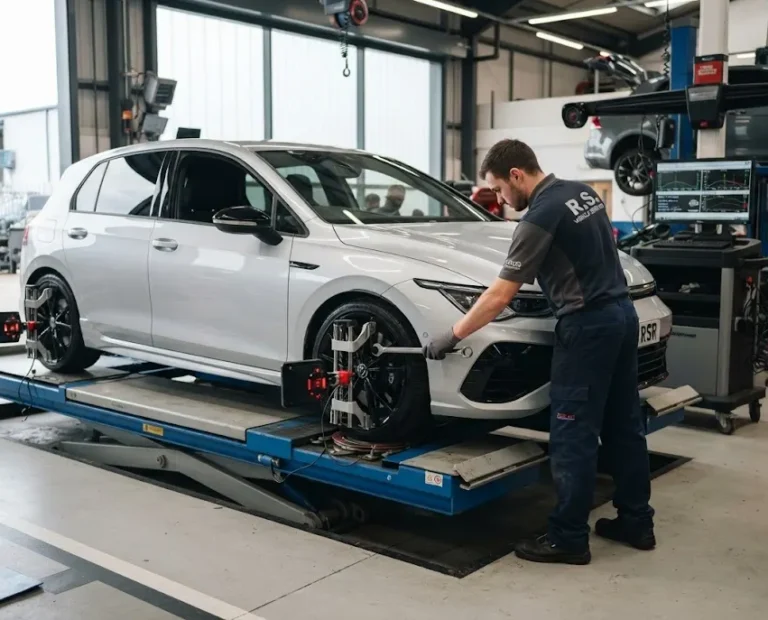
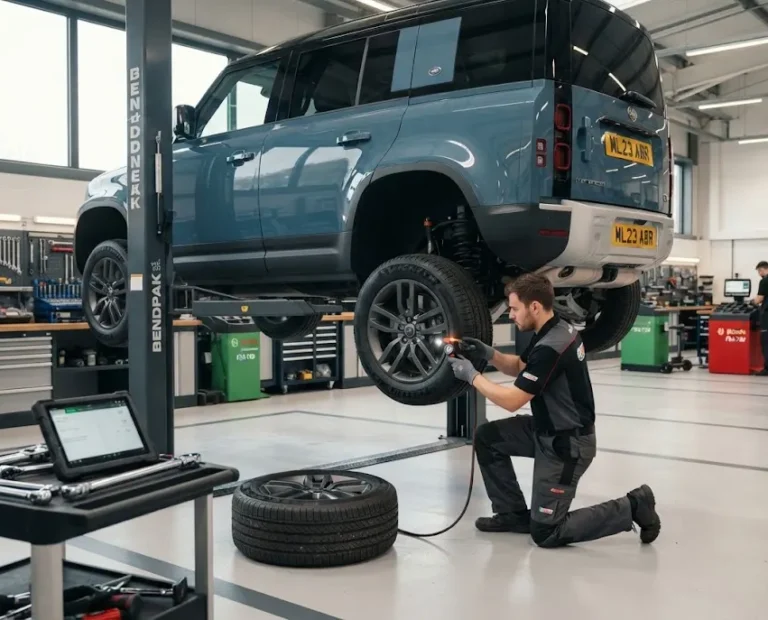
Professional tyre fitting involves more than removing an old tyre and installing a new one. The tyre and wheel must be compatible, correctly mounted and properly inflated before the vehicle returns to the road.
TyreSafe advises that tyre fitting and repair should be entrusted to a trained tyre specialist with the necessary equipment and expertise. It also recommends that wheels are balanced after tyres are fitted or replaced.
Correct fitting is particularly important because an unsuitable installation can affect vehicle handling and potentially damage the tyre or wheel. Drivers should therefore avoid treating tyre fitting as a job where the cheapest available service is automatically the best choice.
Why Wheel Balancing Matters
When a tyre is replaced, balancing helps ensure that the wheel and tyre assembly rotates correctly. An imbalance can contribute to vibration, uneven wear and an uncomfortable driving experience.
Professional tyre services normally check the assembly after fitting and use appropriate equipment to balance the wheel. If a vehicle develops vibration after new tyres have been installed, the owner should have the wheels and tyres inspected rather than assuming the issue will disappear.
Choosing the Right Tyre Replacement
Tyre replacement should be based on the vehicle manufacturer’s requirements and the conditions in which the vehicle is used. Size is only one part of the specification.
Tyres also have load and speed ratings, and the correct specification should be established before purchasing a replacement. TyreSafe recommends matching tyre and rim sizes according to manufacturer recommendations and advises that replacement tyres should have appropriate load and speed capabilities.
Drivers should therefore check the vehicle handbook, tyre information and manufacturer’s recommendations before selecting a different tyre size or type.
Tyre Replacement and Uneven Wear
Uneven tread wear can provide useful information about the condition of the vehicle. If one section of a tyre is wearing significantly faster than another, the cause may not simply be the tyre itself.
Alignment, suspension components, wheel balance, tyre pressures and driving conditions can all influence wear patterns. Replacing a tyre without investigating an unusual wear pattern may therefore solve the immediate problem without addressing the underlying cause.
Professional inspection can help identify whether the issue is isolated to the tyre or connected to another part of the vehicle.
Tyre Pressures and Preventive Maintenance
Correct tyre pressure is one of the simplest aspects of tyre maintenance, yet it can easily be overlooked. GOV.UK guidance states that tyres should be correctly inflated according to the vehicle manufacturer’s specification for the load being carried.
Drivers should use the pressure information provided by the vehicle manufacturer rather than relying on a generic figure. Recommended pressures may differ depending on the vehicle and load.
Tyre pressures should be checked regularly, particularly before longer journeys or when the vehicle is carrying additional passengers or luggage. Incorrect pressure can affect handling, comfort, tyre wear and fuel efficiency.
Maintaining appropriate pressure is therefore a simple preventive maintenance measure that can support both safety and tyre longevity.
Tyre Services for Punctures and Repairs
A puncture does not automatically mean that a tyre must be replaced. In some circumstances, a professional tyre specialist may be able to repair it. However, whether repair is possible depends on the location and severity of the damage and the condition of the tyre.
TyreSafe states that permanent repairs should only be carried out after the tyre has been removed from the wheel so that it can be thoroughly inspected internally and externally. It also says that repairs should be performed by a tyre specialist in accordance with the relevant British Standard.
This is why drivers should not rely on temporary solutions as permanent repairs. A punctured or damaged tyre should be assessed by an appropriately equipped professional.
When a Tyre Should Be Replaced
There are several situations where replacement may be more appropriate than continued use or repair.
Low tread depth is an obvious consideration, but physical damage can also require replacement. Cuts, bulges, exposed cords, severe cracking or damage to the tyre structure should be treated seriously.
Age can also become relevant. The condition of an older tyre should be assessed carefully, even when tread depth appears reasonable. Environmental exposure, storage conditions and usage can affect rubber over time.
Drivers should not rely on tread depth alone when deciding whether an older tyre remains suitable for use.
Tyre Services and Long-Distance Driving
Tyre checks become particularly important before long journeys. A motorway trip can expose a vehicle to sustained speed, increased load and prolonged running, making tyre condition especially important.
Before setting off, drivers should check tyre pressures, tread condition and visible damage. GOV.UK recommends checking tyre pressures and condition before significant journeys and ensuring that the tyres are suitable for the load being carried.
A quick inspection can help identify obvious problems before a journey begins. If a tyre has a slow puncture, unusual wear or visible damage, professional assessment should be arranged rather than assuming it will remain safe throughout a long trip.
Tyre Services and Seasonal Conditions
UK weather can change considerably throughout the year, affecting road surfaces and driving conditions. Wet roads in particular place greater demands on tyres because available grip and braking performance depend partly on the tyre’s condition and suitability.
Drivers should therefore avoid waiting for severe weather before checking their tyres. Maintaining appropriate tread, pressure and overall condition throughout the year is more useful than reacting only when conditions deteriorate.
Drivers who use specialist or seasonal tyres should also follow manufacturer recommendations concerning storage, fitment and suitability for the vehicle.
Tyre Services and Vehicle Performance
Tyres can influence more than safety. They can affect steering response, ride comfort, road noise, braking behaviour and overall driving feel.
Performance vehicles can be particularly sensitive to tyre specification because tyre size, construction, load rating and speed capability can be closely linked to the vehicle’s design.
Owners of premium vehicles should therefore take particular care when changing tyre specification. Our manufacturer servicing guide provides wider context on maintenance standards and ownership considerations across premium vehicle brands.
Tyre Services for Used Cars
Tyres should also be checked carefully when buying a used vehicle. A car can have an attractive service history while still requiring tyres relatively soon after purchase.
Buyers should inspect tread depth, wear patterns, tyre age and visible damage before completing a purchase. It is also worth checking whether all four tyres are appropriately matched to the vehicle and whether there is a significant difference in condition between axles.
Our used cars buying analysis explains why vehicle condition, history and expected ownership costs should all be considered before purchasing a second-hand vehicle.
Tyre condition should be included in that assessment because replacing several tyres soon after buying a car can add a meaningful unexpected expense.
How Much Should Drivers Budget for Tyre Replacement?
There is no single tyre replacement cost that applies to every UK vehicle. Prices vary according to tyre size, brand, specification, performance requirements and vehicle type.
A small family hatchback with common tyre dimensions may have a different replacement cost from a premium SUV or performance vehicle. Run-flat and specialist tyres can also have different pricing structures.
When comparing quotations, drivers should check whether the price includes fitting, balancing, valve replacement and disposal of the old tyre. Comparing like-for-like specifications makes it easier to identify genuine value.
The cheapest tyre is not necessarily the most appropriate choice. Drivers should consider suitability, specification, quality and expected use alongside purchase price.
How to Choose a Tyre Service Provider
A professional tyre service provider should have the equipment and expertise required for the vehicle and tyre being serviced.
Drivers can consider:
- Technician training and experience
- Tyre fitting and balancing equipment
- Correct tyre specification and sourcing
- Repair assessment procedures
- Clear pricing and quotations
- Appropriate disposal of old tyres
- Quality of customer communication
- Warranty or guarantee information
TyreSafe recommends using trained specialists for fitting and repairs because incorrect procedures can damage tyres or wheels and create safety risks.
Tyre Safety Checks Between Professional Services
Professional tyre services are important, but drivers should still carry out basic checks themselves. GOV.UK states that drivers are responsible for ensuring their vehicles are roadworthy and recommends checking tyres for correct tread depth and defects.
A basic check can include looking for visible cuts or bulges, checking tread condition and confirming that pressures are appropriate. Drivers should also pay attention to changes in steering, vibration or vehicle behaviour.
If anything appears unusual, professional inspection is preferable to continuing to drive and hoping the issue resolves itself.
Tyre Services as Preventive Maintenance
Tyre maintenance should be viewed as preventive maintenance rather than a last-minute repair expense. Regular checks can help drivers identify wear or damage before it becomes a more serious problem.
This approach also fits into the wider vehicle maintenance strategy. Our repair finance guide examines how unexpected repair costs can affect vehicle ownership and why budgeting for maintenance can be valuable.
Planning for tyres is particularly useful because replacement is inevitable at some point. Setting aside money for future tyres can make the expense easier to manage than treating every replacement as an unexpected financial event.
Tyre Safety and the MOT
Tyres are included in the UK’s MOT inspection for applicable vehicles. The MOT inspection manual sets out specific requirements relating to tread depth, tyre condition and other defects. For standard passenger cars, the legal minimum tread depth is 1.6mm across the central three-quarters and around the entire circumference.
Passing an MOT should not be treated as a substitute for regular tyre checks. GOV.UK specifically notes that a vehicle can be unsafe even if it has a current MOT certificate.
Tyres can deteriorate or become damaged between MOT tests, so drivers should continue monitoring them throughout the year.
Final Thoughts on Tyre Services in the UK
Tyre services are a fundamental part of safe and responsible vehicle ownership. Correct fitting, appropriate tyre selection, regular pressure checks, tread monitoring and professional inspection can all help UK drivers maintain safer vehicles.
The legal minimum tread depth for standard cars is 1.6mm, but responsible maintenance should go beyond simply meeting the legal threshold. Drivers should respond to visible damage, unusual wear and changes in vehicle behaviour before they become serious concerns.
Whether replacing tyres, dealing with a puncture or simply checking their condition, drivers should use appropriately trained specialists when professional work is required. A tyre is a relatively small component, but its importance to braking, steering and road contact makes proper maintenance one of the most practical investments a vehicle owner can make.