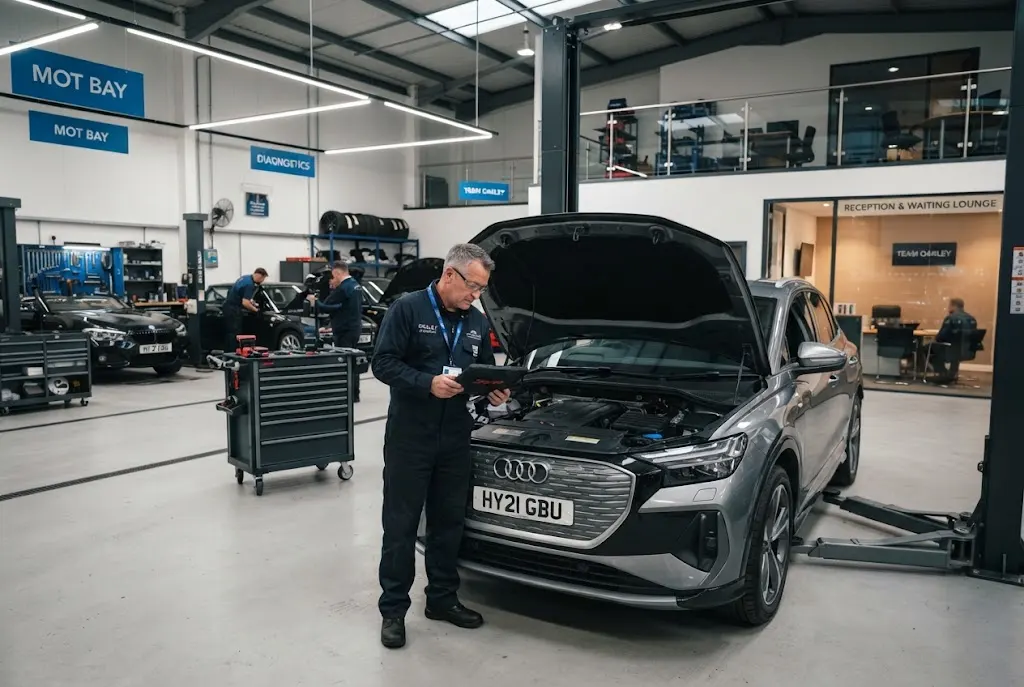
Repair finance can become an important consideration when an unexpected vehicle problem creates a significant bill. Routine servicing is easier to anticipate, but repairs involving brakes, suspension, batteries, electronics or major mechanical components can place pressure on a household or business budget. Understanding the available ways to manage these expenses can help UK vehicle owners make more informed decisions without confusing short-term affordability with long-term value.
Vehicle maintenance costs can also rise as cars become older and more technologically sophisticated. Inflation, parts prices, labour rates and the increasing complexity of modern vehicles can all influence the final cost of keeping a car on the road. For that reason, repair budgeting should form part of a broader ownership strategy rather than being considered only after a breakdown occurs.
What Is Repair Finance?
Repair finance generally refers to ways of spreading or funding the cost of vehicle repairs when the owner cannot or does not want to pay the entire amount immediately. Depending on the garage, finance provider and customer’s circumstances, this may involve a dedicated payment plan, a credit arrangement or another method of spreading the expense.
The exact options available vary between businesses and financial providers. Vehicle owners should therefore check the terms carefully before agreeing to any arrangement, particularly where interest, fees or credit checks are involved.
The purpose of repair finance is straightforward: it can make a necessary repair more manageable from a cash-flow perspective. However, spreading a bill does not reduce the underlying cost of the repair. Owners should always consider the total amount payable and whether the vehicle itself remains economical to keep.
Why Vehicle Repairs Can Create Financial Pressure
Unexpected vehicle repairs can be difficult to budget for because their timing is uncertain. A driver may maintain a car correctly and still face a sudden component failure.
The potential cost also varies considerably. Replacing a relatively inexpensive consumable is very different from repairing a transmission, engine, electrical system or advanced driver-assistance component.
Older vehicles can present another challenge. As mileage and age increase, several components may approach the end of their useful life around the same period. A single repair can therefore sometimes be followed by another maintenance requirement within a relatively short period.
This is why vehicle owners should consider maintaining a repair reserve whenever possible, even when they are not currently expecting a major problem.
Repair Finance and Maintenance Plans
Maintenance plans and repair finance are related but should not be treated as identical. A maintenance plan is usually designed to cover specified servicing or maintenance requirements under agreed terms, while repair finance is generally concerned with funding a bill that has already arisen or a particular repair that needs to be completed.
Some vehicle manufacturers and service providers offer maintenance packages that can make scheduled costs more predictable. These can be useful for owners who prefer regular budgeting rather than paying for every eligible service separately.
However, owners should check the coverage carefully. A maintenance plan may not cover every unexpected mechanical failure, wear item or repair. Understanding exclusions is therefore essential before assuming that a vehicle is fully protected against future expenses.
Repair Finance and Servicing Costs
Regular servicing can help owners manage vehicle condition, but servicing does not eliminate the possibility of unexpected repairs. The two costs should therefore be budgeted separately.
For example, a routine service may include scheduled inspections, fluids and filters, while a separate issue involving the braking system or suspension could generate an additional invoice. Keeping these categories separate gives owners a more realistic view of vehicle ownership expenses.
Our Ford service and maintenance analysis examines how scheduled servicing, maintenance planning and lifecycle costs can affect ownership.
Similarly, owners of premium vehicles can review our manufacturer servicing guide to understand how servicing strategies differ across several major brands.
Inflation and the Cost of Vehicle Repairs
Inflation can affect vehicle repair costs through parts, labour, energy, transportation and other operating expenses. A repair that cost a particular amount several years ago may not have the same price today.
Parts availability can also influence costs. Some components may be relatively easy to source, while others can be more expensive or difficult to obtain. Modern vehicles may also require specialist diagnostic equipment or software procedures, adding to the complexity of certain repairs.
For owners, this reinforces the importance of reviewing maintenance budgets periodically rather than relying on an old estimate of annual vehicle expenses.
Repair Finance and Older Vehicles
Repair finance can become particularly relevant when an older vehicle requires a major repair. An owner may face a choice between paying for the repair, financing it, replacing the vehicle or continuing to use it with a temporary solution where appropriate.
The decision should be based on the vehicle’s overall condition rather than the repair price alone.
Consider the car’s mileage, service history, previous repairs, current market value and likely future maintenance. A substantial repair may make sense if it restores a dependable vehicle that the owner expects to keep for several more years.
On the other hand, repeatedly financing major repairs on a vehicle with declining reliability may not be financially sensible. The objective should be to assess the remaining ownership value, not simply find a way to pay the next invoice.
How to Assess Whether a Repair Is Worth Funding
Before agreeing to a significant repair, owners should ask several practical questions.
- What exactly has failed?
- Is the diagnosis confirmed?
- What is the complete repair cost?
- What warranty applies to the repair?
- What is the vehicle’s current condition?
- Are other major maintenance items approaching?
- How long is the vehicle expected to remain in ownership?
- What would replacing the vehicle cost?
- What is the total cost of any finance arrangement?
These questions help separate an urgent repair decision from a broader ownership decision.
Repair Finance and Total Ownership Costs
A vehicle’s true cost extends beyond its purchase price or monthly finance payment. Insurance, fuel or charging, servicing, repairs, tyres, taxation and depreciation can all contribute to lifecycle expenses.
This becomes especially important when a vehicle is financed. A customer may still be making finance payments when an expensive repair becomes necessary. The owner therefore needs to consider both the outstanding finance obligation and the vehicle’s current mechanical condition.
Our car finance analysis examines PCP, HP finance, ownership costs and financial planning. Considering finance and repair expenses together can help owners avoid underestimating the cost of keeping a vehicle.
Repair Finance for Premium Vehicles
Premium vehicles can introduce additional repair-cost considerations because they often contain sophisticated technology and higher-specification components. The exact cost varies considerably between models, but owners should not assume that a premium vehicle’s used purchase price represents its total ownership cost.
Regular maintenance can help identify issues, but some repairs will remain unpredictable. A sensible premium ownership budget should therefore include a contingency reserve for repairs and wear.
Our BMW service ownership analysis explores servicing costs, maintenance schedules and lifecycle considerations for BMW owners.
We also cover Audi service and maintenance strategy, providing additional context for owners assessing premium vehicle lifecycle costs.
Paying for Repairs Without Finance
Repair finance is not always the best option. If an owner has sufficient savings and the repair is necessary, paying directly may avoid interest or other financing costs.
However, using all available savings on a vehicle repair can also create financial vulnerability. Owners should consider whether paying the bill immediately would leave enough money for essential expenses and emergencies.
The best choice therefore depends on the individual’s circumstances. The key comparison is between the cost of financing the repair and the financial consequences of using available cash.
Comparing Repair Finance Options
When finance is available, owners should compare the full terms rather than focusing on the monthly payment.
Important considerations include:
- Total amount repayable
- Interest rate or APR where applicable
- Any arrangement or administration fees
- Repayment period
- Early repayment conditions
- Consequences of missed payments
- Whether the finance is secured or unsecured where relevant
- Warranty coverage for the repair itself
Consumers should also verify that the provider is legitimate and understand the nature of the credit agreement before signing.
Repair Finance and Garage Communication
Clear communication with the repairer can make a significant difference when managing an unexpected bill. Owners should request a written estimate before authorising significant work where practical.
The estimate should identify the diagnosis, parts, labour and applicable taxes or fees. If additional problems are discovered during the repair, the owner should understand whether further approval is required.
Good communication can also prevent misunderstandings about what is included in the quoted price and what warranty applies to the completed work.
Preventive Maintenance Can Reduce Financial Risk
No maintenance strategy can eliminate unexpected repairs, but preventive maintenance can help owners identify some issues before they become more serious.
Regular inspections can reveal worn brakes, damaged tyres, fluid leaks, battery deterioration and other problems. Addressing smaller issues at an appropriate time may sometimes be more manageable than waiting until a component fails.
This is particularly relevant for high-mileage vehicles and cars that are approaching a major service interval. Owners should consider the manufacturer’s maintenance recommendations alongside the vehicle’s actual condition and usage.
Repair Finance and Used Cars
Buyers of older used vehicles should think about repair costs before completing the purchase. A low purchase price can leave more money available for future maintenance, but it can also reflect age, mileage or condition.
Vehicle history and service records can provide useful information about previous maintenance. Our used cars buying analysis explores vehicle history, market demand, resale values and second-hand buying strategy.
Before purchasing an older vehicle, buyers should ideally maintain a financial reserve for servicing and repairs. This can reduce the likelihood of immediately needing credit when a problem appears.
When Replacing the Vehicle May Make More Sense
There are circumstances where financing another repair may not be the most sensible choice. If a vehicle has suffered repeated major failures, has poor structural or mechanical condition or requires several expensive repairs at once, owners may need to consider replacement.
The comparison should be based on future costs rather than money already spent. Previous repair expenses are sunk costs; they should not automatically determine whether another repair is worthwhile.
Owners should compare the expected cost of keeping the current vehicle with the purchase and ownership costs of an alternative. This includes finance, insurance, servicing and likely depreciation.
Building a Vehicle Repair Budget
A practical repair budget can reduce dependence on emergency finance. Owners can create a separate maintenance reserve and contribute to it regularly.
The appropriate amount depends on the vehicle’s age, mileage and expected maintenance needs. Older vehicles generally warrant greater contingency planning than newer vehicles, although even a relatively new car can experience unexpected problems.
Commercial users should also consider the cost of downtime. A repair that prevents a van or business vehicle from operating may create indirect financial losses beyond the workshop invoice.
Is Repair Finance Worth Considering?
Repair finance can be useful when a necessary repair is urgent and paying the full amount immediately would create financial pressure. It can help spread a large expense over time and allow an owner to keep a vehicle operational.
However, financing should not be used to disguise an uneconomic vehicle. Before accepting a payment plan, owners should assess the car’s overall condition, likely future repairs and remaining ownership value.
The best outcome is one where the repair restores a vehicle that remains practical and financially sensible to keep.
Final Thoughts on Repair Finance in the UK
Repair finance can provide a useful way for UK vehicle owners to manage unexpected maintenance expenses, but it should be considered alongside the complete economics of vehicle ownership.
Owners should distinguish between routine servicing and unexpected repairs, maintain a contingency fund where possible and compare the total cost of any finance arrangement. For older vehicles, the decision should also take account of future maintenance and the vehicle’s overall condition.
Good maintenance planning remains the strongest foundation. By monitoring vehicle condition, keeping service records and budgeting for predictable wear, owners can reduce the financial impact of unexpected repairs and make better decisions when significant costs eventually arise.