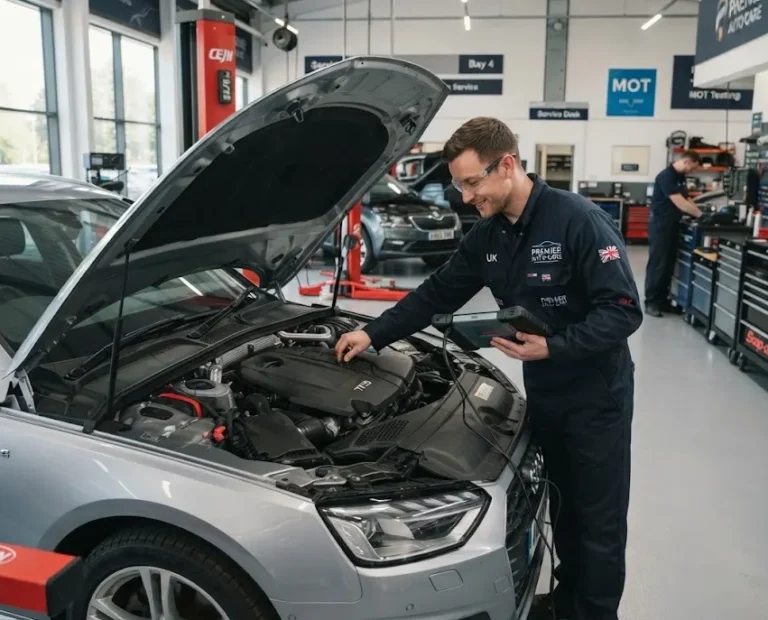
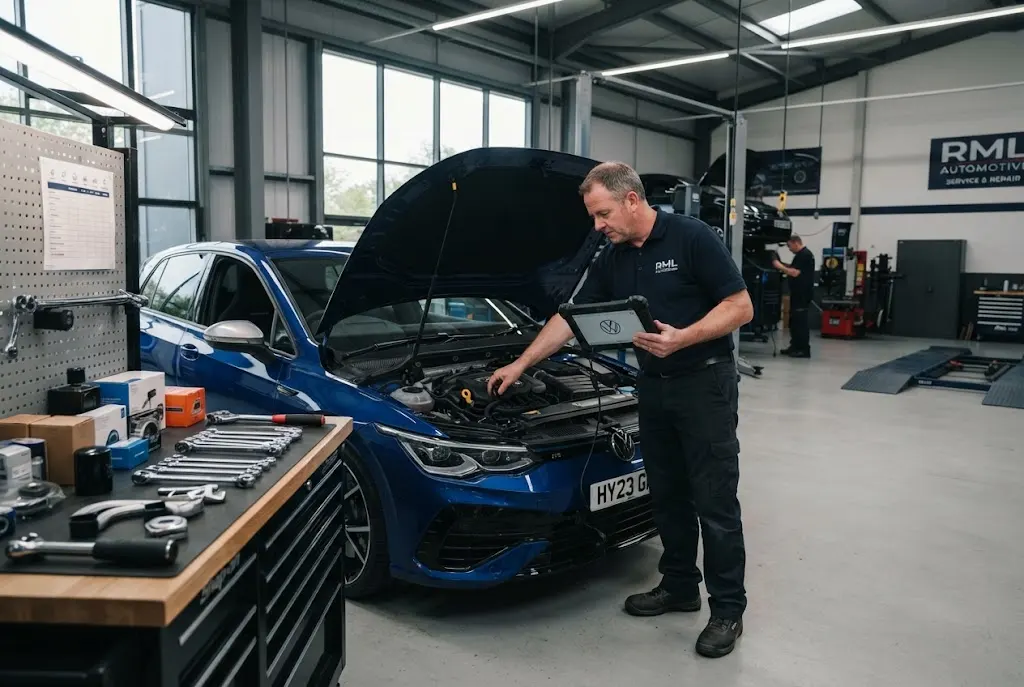
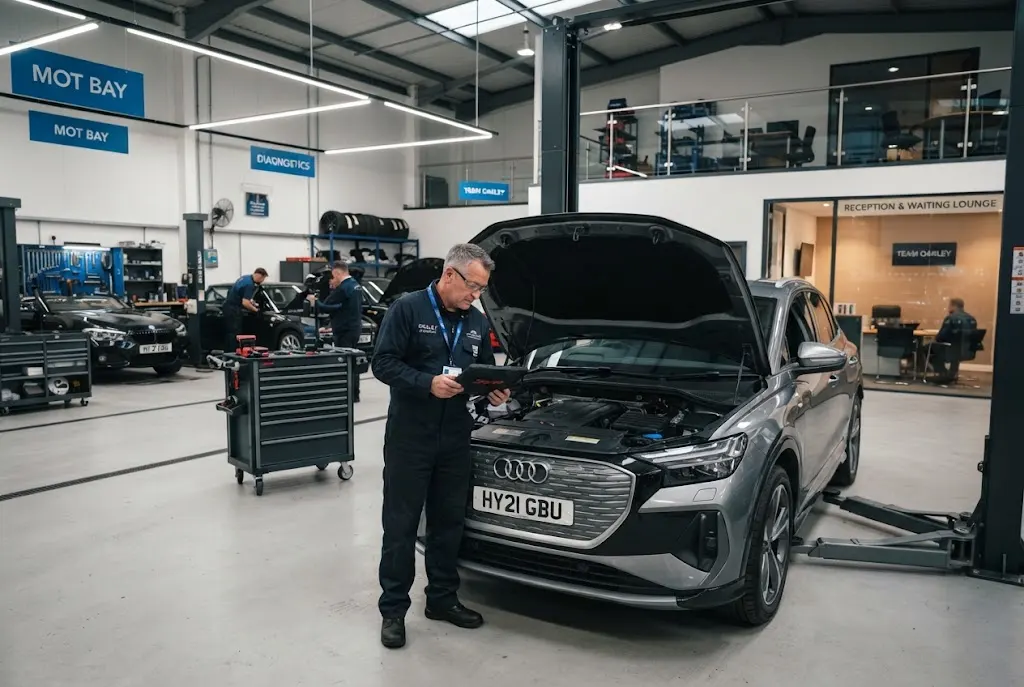
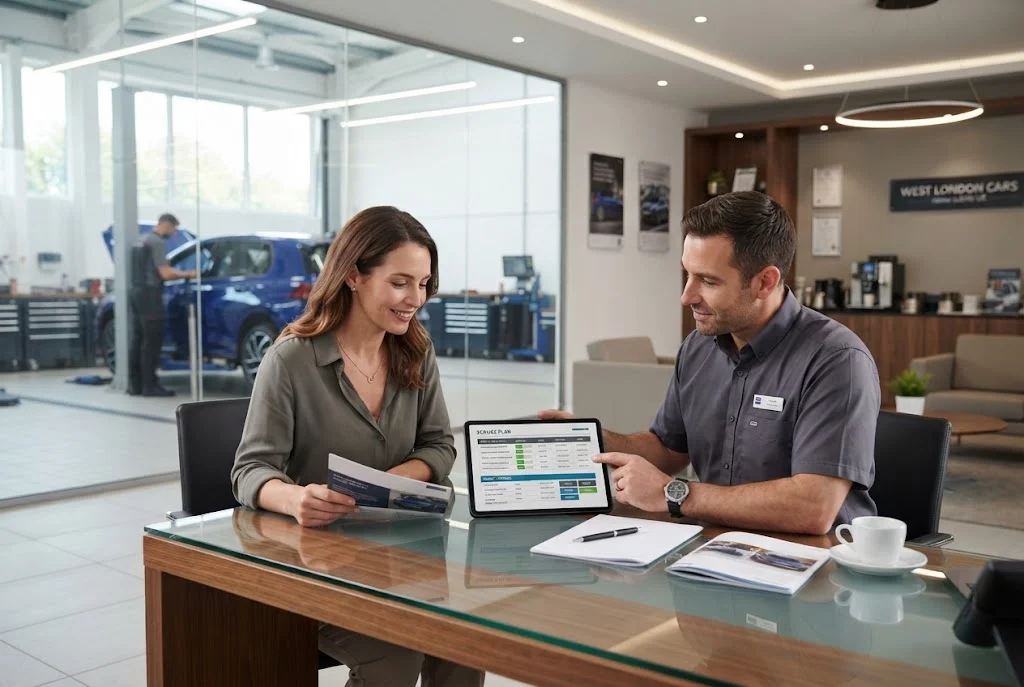
Vehicle maintenance is one of the most important parts of responsible car ownership, yet it is often treated as an expense rather than a long-term investment. Routine servicing, inspections and timely repairs can help a vehicle remain dependable while giving owners a clearer picture of its condition. More importantly, a consistent approach to maintenance can make vehicle ownership easier to plan and potentially reduce the risk of expensive problems developing unnoticed.
Why Vehicle Maintenance Matters Over Time
A car experiences gradual wear every time it is driven. Brakes, tyres, fluids, suspension components, batteries and other parts can deteriorate with use or age. Some changes are obvious, while others may develop without creating an immediate symptom.
Regular maintenance provides opportunities to identify issues before they become more disruptive. It can also help ensure that routine service requirements are not overlooked as the vehicle gets older.
This is particularly important for drivers who depend heavily on their vehicles. A small maintenance issue that is addressed during a scheduled visit may be considerably easier to manage than an unexpected breakdown that occurs when the vehicle is needed most.
Vehicle Maintenance and Preventive Maintenance
Preventive maintenance focuses on carrying out appropriate checks and servicing before a known maintenance issue becomes a larger problem. The exact schedule depends on the vehicle, but manufacturers commonly specify requirements based on time, mileage or both.
Examples can include routine servicing, fluid checks, filter replacement, tyre inspections and examination of braking and other safety-related systems. Some components may also have specific replacement intervals or inspection requirements.
The key principle is consistency. Preventive maintenance works best when owners follow the appropriate schedule rather than allowing routine work to accumulate until several items need attention simultaneously.
Drivers should always consult their vehicle handbook or manufacturer guidance for the correct maintenance requirements. Different vehicles can have substantially different schedules, and assumptions based on another car are not a reliable substitute for the manufacturer’s recommendations.
Maintenance Planning Makes Ownership More Predictable
Maintenance planning can turn vehicle care from an occasional reaction into a manageable routine. Instead of waiting for problems to appear, owners can keep track of upcoming servicing, inspections and known maintenance requirements.
A simple maintenance record can include:
- The date and mileage of each service.
- Work carried out by the garage or technician.
- Parts or components replaced.
- Upcoming maintenance requirements.
- Any issues that need monitoring.
- Relevant inspection or diagnostic information.
Keeping these details together can make future servicing easier. It also gives a garage useful background information when diagnosing a problem or planning upcoming work.
For vehicles that are shared between family members or used for business purposes, organised maintenance records can be especially useful because they create a clearer history of how the vehicle has been maintained.
How Maintenance Supports Vehicle Reliability
Vehicle reliability is closely connected to how consistently a car is maintained, although maintenance cannot guarantee that a component will never fail. Mechanical and electrical parts can still develop faults unexpectedly.
Regular servicing can nevertheless help identify worn or deteriorating components and ensure that routine requirements are not neglected. This can contribute to a vehicle being kept in suitable operating condition.
Reliability also depends on driving conditions. Frequent short journeys, heavy traffic, long-distance driving, towing and exposure to harsh environments can all influence how quickly certain components wear or how often a vehicle needs attention.
That is why maintenance should be based on the vehicle manufacturer’s recommendations and the way the car is actually used, rather than following a generic schedule without considering its circumstances.
The Role of Predictive Servicing
Predictive servicing is becoming increasingly relevant as vehicles generate more diagnostic and operational information. Modern vehicles can monitor numerous systems electronically, creating information that technicians may use when investigating faults or assessing vehicle condition.
The idea behind predictive maintenance is to identify potential problems before they become serious failures. In practice, this can involve diagnostic information, service history, inspection findings and other relevant vehicle data.
However, predictive technology should complement rather than replace routine servicing. Not every developing issue can be predicted electronically, and physical inspection remains an important part of professional vehicle maintenance.
As automotive technology develops, maintenance information may become increasingly useful to both drivers and workshops. The challenge will be making that information understandable and ensuring that it leads to sensible maintenance decisions.
Maintenance Can Help Manage Long-Term Savings
One of the strongest reasons to maintain a vehicle consistently is the potential to reduce avoidable ownership expenses. This does not mean every maintenance pound will produce a direct saving. Servicing and component replacement are genuine costs of owning a vehicle.
The longer-term consideration is whether addressing maintenance requirements at an appropriate time can help prevent a smaller issue from developing into a more complicated repair.
For example, ignoring a developing mechanical problem may allow associated components to become affected. The final repair can then involve more parts, more labour and more time without the vehicle.
Regular maintenance also makes costs more predictable. A planned service can be budgeted for in advance, whereas an unexpected breakdown can create a sudden financial burden.
Vehicle Maintenance as an Ownership Strategy
Good ownership strategy involves considering the vehicle’s entire period of use rather than focusing only on today’s expense.
A driver planning to keep a car for many years may reasonably place greater emphasis on maintenance records, condition and long-term servicing requirements. Someone planning to sell or replace the vehicle sooner may have different priorities, but maintaining the car properly can still be important for safety, reliability and responsible ownership.
Maintenance history can also help establish what has been done to a vehicle. A clear record gives future owners or prospective buyers more information about its servicing background than a vehicle with little documented history.
For this reason, maintenance documentation should be treated as part of the vehicle’s ownership history rather than simply paperwork that can be discarded after a service.
Maintenance Analytics and the Digital Garage
The growing use of digital systems is making maintenance analytics more practical. Garages can record service dates, inspection findings, repair histories and other information electronically, helping technicians understand the vehicle’s maintenance background.
For vehicle owners, digital records can make it easier to see when routine servicing was completed and which work may be approaching. For workshops, structured information can help create more consistent processes.
Analytics can also help businesses identify patterns across their operations. A workshop might review common repair categories, parts usage or appointment patterns to improve planning.
However, data should be used responsibly. Vehicle information should be handled securely, and customers should understand how their information is being used when digital systems are involved.
Lifecycle Management for Older Vehicles
Lifecycle management becomes particularly important as a vehicle ages. Older cars may require more attention as components reach the later stages of their service life, but age alone does not determine whether continued ownership makes sense.
Owners need to consider the vehicle’s condition, upcoming maintenance requirements, repair history and overall running costs. A well-maintained older vehicle may continue to provide useful service, while a poorly maintained vehicle can become increasingly difficult to manage.
This is where maintenance records become valuable. A clear history allows owners and technicians to identify completed work and consider what may be required next.
When larger repairs become necessary, the decision should be considered in the context of the vehicle’s overall condition rather than looking at a single repair bill in isolation.
Choosing the Right Garage for Ongoing Maintenance
Consistent maintenance is easier when drivers have access to a garage they can trust. Whether using an independent workshop or an authorised facility, customers should look for professional servicing, clear communication and technicians with appropriate equipment and expertise.
A good garage should be able to explain recommended work clearly and distinguish between routine maintenance and repairs that require more immediate attention.
For drivers comparing workshop options, our guide to what makes a great garage explores factors such as repair quality, workshop expertise and customer experience.
The future of garage servicing is also becoming increasingly digital. Our article on the future of the auto service garage looks at digital workshops, workshop automation and maintenance technology that may influence how vehicle servicing is delivered.
Building a Practical Maintenance Routine
Drivers do not need an elaborate system to manage their vehicle properly. A practical routine can begin with the manufacturer’s recommended maintenance schedule and a simple record of completed work.
Between scheduled services, drivers should remain aware of changes in the vehicle. Unusual noises, warning lights, changes in braking behaviour, fluid leaks or changes in handling can all justify professional investigation.
Routine checks also remain important. Tyre condition, tyre pressures, fluid levels and lights should be monitored according to the vehicle manufacturer’s guidance and relevant UK requirements.
The important point is not to attempt repairs without the necessary knowledge or equipment. Professional servicing remains appropriate when a fault requires specialist diagnosis or mechanical work.
Why Long-Term Maintenance Is Worth Planning
Vehicle ownership is easier to manage when maintenance is treated as an ongoing responsibility rather than an occasional inconvenience. Preventive maintenance, organised records and professional servicing can help owners understand their vehicles and prepare for expected costs.
There is also a practical relationship between maintenance planning and budgeting. Knowing when routine servicing is due makes it easier to anticipate expenses rather than being surprised by every maintenance requirement.
For drivers considering prepaid or structured maintenance arrangements, understanding whether car service plans are worth it can provide another perspective on managing servicing costs over time.
The Long-Term Value of Vehicle Maintenance
The value of vehicle maintenance is ultimately about more than keeping a car moving. It is about managing reliability, safety, ownership costs and the vehicle’s lifecycle in a structured way.
Maintenance cannot prevent every breakdown or eliminate repair costs. What it can do is provide a systematic way to care for a vehicle, identify developing issues and make ownership expenses more predictable.
As cars become more connected and technologically advanced, the role of maintenance is likely to become even more data-driven. Digital service records, diagnostic technology and predictive approaches may give drivers and garages better information, while experienced technicians will continue to provide the judgement needed to turn that information into appropriate action.
For UK motorists, the most practical approach remains straightforward: follow the manufacturer’s maintenance requirements, keep accurate records, address problems promptly and use appropriately qualified professionals when specialist work is required. Over the long term, that approach can make vehicle ownership more predictable and help preserve the usefulness of the car throughout its lifecycle.