The modern auto service garage is changing rapidly. Vehicle owners are no longer looking only for a place that can repair a fault or complete routine servicing. They increasingly expect clear communication, convenient booking, accurate diagnostics, transparent pricing and a professional experience from start to finish. At the same time, advances in vehicle technology are forcing garages to rethink how they diagnose, maintain and repair increasingly sophisticated cars.
Why the Auto Service Garage Is Changing
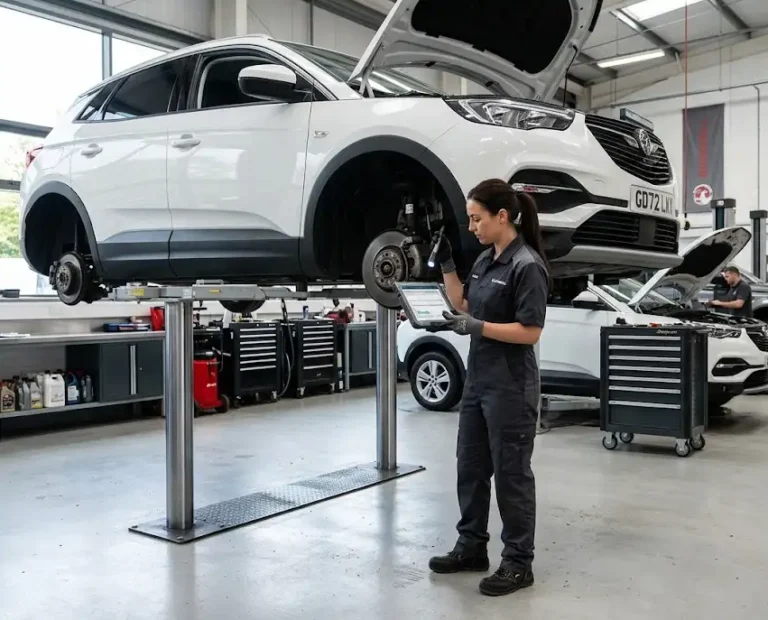
Traditional garage services have historically relied heavily on mechanical expertise, physical inspections and established workshop routines. Those fundamentals remain important, but modern vehicles are increasingly dependent on electronics, software, sensors and computer-controlled systems.
This means today’s technicians may need to understand far more than engines, brakes and suspension. Diagnostic systems, electronic control units, driver-assistance technology and increasingly complex vehicle architectures are changing the skills required within the automotive sector.
Customer expectations are changing at the same time. A driver may now expect to book an appointment online, receive updates while their vehicle is being worked on and understand why a particular repair has been recommended. These expectations are encouraging garages to combine technical expertise with stronger digital processes.
From Traditional Workshops to Digital Workshops
One of the clearest developments in the industry is the rise of digital workshops. A digital workshop does not necessarily mean a completely automated garage. Instead, it refers to a workshop that uses connected technology to improve administration, diagnosis, communication and service delivery.
Online appointment booking is a simple example. Instead of relying entirely on telephone calls, a garage can allow customers to request a suitable date and provide vehicle information before arriving. Workshop management software can then help staff organise appointments, allocate technician time and keep track of the vehicle’s progress.
Digital records can also make future servicing easier. Information about previous repairs, replaced components and routine maintenance can be stored and accessed when the vehicle returns. This gives technicians useful historical context and can help create a more consistent customer experience.
For customers, the benefit is largely convenience. For garage operators, digitalisation can reduce administrative work and create a clearer view of workshop capacity, customer demand and outstanding jobs.
Workshop Automation and Smarter Operations
Workshop automation is another area likely to influence the future of garage services. Automation does not mean replacing skilled technicians. Instead, it can help remove repetitive administrative tasks and provide technicians with better information.
Automated appointment reminders, digital job cards, inspection reports and parts-ordering processes can make everyday operations more organised. Some workshop systems can also help track technician workloads and provide managers with an overview of jobs moving through the workshop.
The most useful approach is likely to be a combination of technology and human expertise. A diagnostic system can identify information about a vehicle, but a trained technician still needs to interpret that information, inspect the vehicle and decide what repair is appropriate.
This balance will become increasingly important as vehicles become more technologically complex. Garages that use technology to support professional judgement rather than simply automate everything can potentially create more efficient and reliable workflows.
These operational improvements are closely connected to the economics of auto repair services. Better workshop efficiency can help businesses manage resources while giving customers a more predictable service experience.
Maintenance Technology Is Becoming More Important
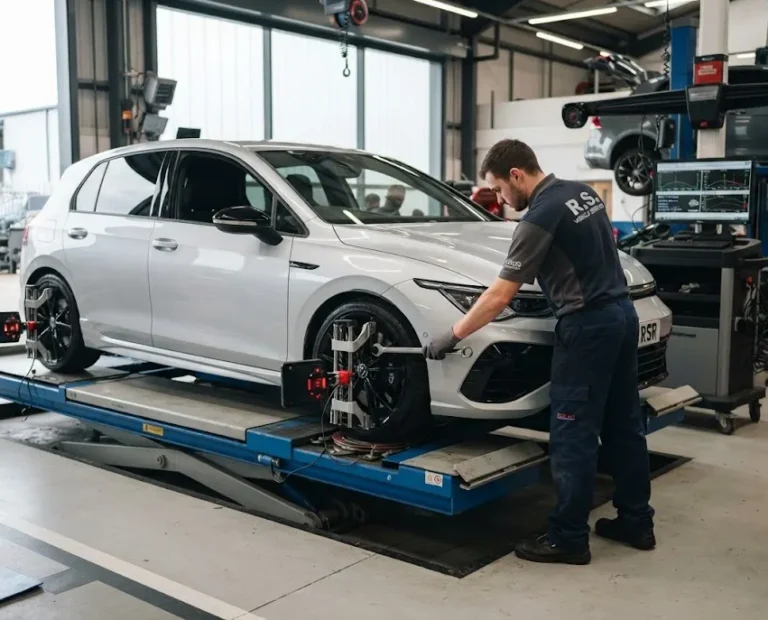
Modern maintenance technology is changing how vehicle problems can be identified and managed. Electronic diagnostic equipment allows technicians to investigate fault codes and system information that would not have been available in the same form in older vehicles.
Connected vehicles may also create opportunities for more proactive maintenance. Instead of waiting for a noticeable problem, some systems can identify changes in vehicle behaviour or component performance that may justify further investigation.
This supports a broader movement towards predictive servicing. The concept is straightforward: use available vehicle information and maintenance history to identify potential issues before they become major failures.
Predictive approaches should not replace regular servicing or professional inspections. They are better understood as another source of information that can support maintenance decisions. Drivers should continue to follow the manufacturer’s maintenance requirements and seek professional advice when a vehicle develops a fault.
The Role of Maintenance in the Evolving Garage
The changing garage environment also reinforces the importance of planned vehicle care. Modern workshops increasingly have an opportunity to move conversations beyond emergency repairs and towards longer-term maintenance planning.
Drivers who follow appropriate vehicle maintenance schedules can give workshops a clearer picture of a vehicle’s service history and upcoming needs. This can make maintenance easier to plan and potentially reduce the likelihood of avoidable failures.
The broader concept of auto care services also reflects this shift. Vehicle ownership increasingly involves maintaining condition, reliability and long-term value rather than simply responding whenever a fault appears.
What Better Customer Experience Looks Like
Technical competence will remain at the centre of garage services, but customer experience is becoming an increasingly important differentiator.
A strong garage experience begins before the vehicle reaches the workshop. Clear service information, straightforward booking, realistic appointment availability and transparent communication can reduce uncertainty for customers.
During the repair process, customers benefit from understandable explanations. Rather than simply presenting a list of technical terms, a professional garage should explain what has been identified, why it matters and what options may be available.
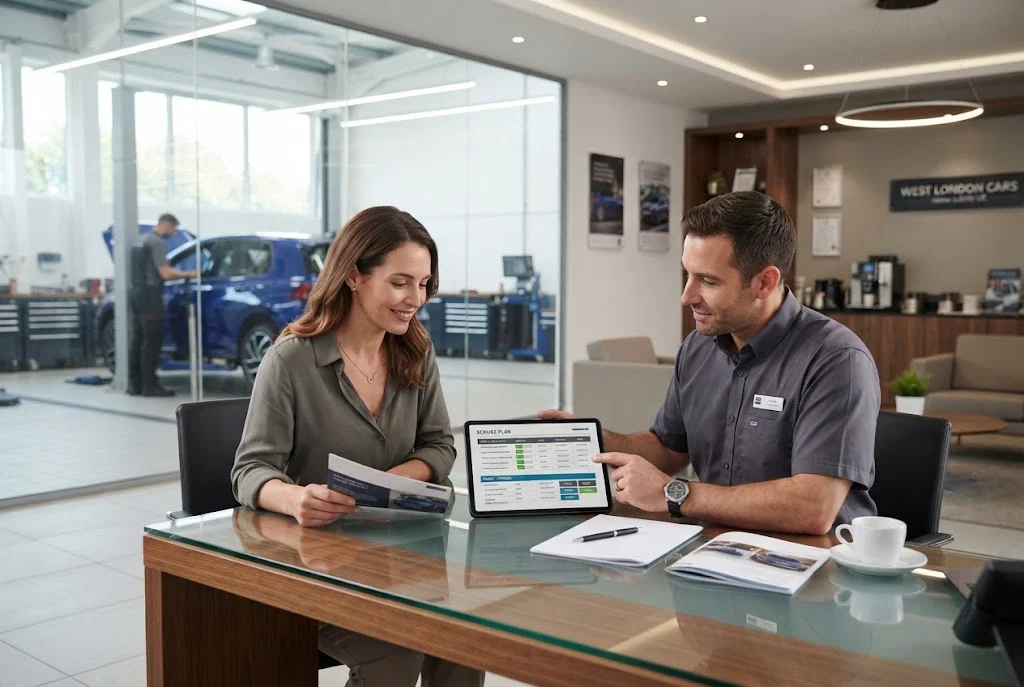
Digital inspection reports can support this process by giving customers a clearer view of recommended work. Photographs or structured inspection information can make discussions about repairs easier, although the quality and usefulness of such systems depend on how they are implemented.
After the work is completed, accurate invoices, maintenance records and sensible future recommendations can help customers understand what has been done and what may need attention later.
Reputation is another important part of the customer experience. Online reviews and recommendations can influence how motorists compare local automotive businesses. Consistent service quality can therefore contribute to long-term customer relationships as well as immediate satisfaction.
Independent Garages Have an Opportunity
Independent garages remain an important part of the UK automotive service market. Their ability to adapt quickly can be valuable as customer expectations and vehicle technology change.
An independent workshop does not necessarily need to invest in every new technology available. A more practical approach is to identify the systems that solve genuine customer or operational problems.
For example, an independent garage might prioritise online booking, digital inspection reports, modern diagnostic equipment and automated customer reminders. These improvements can strengthen the customer journey without fundamentally changing the workshop’s core purpose.
Training is equally important. As vehicles evolve, technicians need access to relevant technical information, equipment and professional development. The future garage therefore depends not only on technology but also on maintaining strong workshop expertise.
Authorised Workshops and Changing Service Standards
Authorised workshops operate within manufacturer-specific systems and may have access to specialist equipment, technical information and training associated with particular vehicle brands. This can be especially relevant when servicing newer vehicles or dealing with complex systems.
However, customers increasingly compare their overall experience rather than looking only at the type of workshop. Service standards now include factors such as appointment convenience, communication, transparency, waiting arrangements and after-service support.
As a result, both authorised workshops and independent garages have reasons to improve the customer journey. Technical capability remains fundamental, but it is increasingly connected to how efficiently and professionally that capability is delivered.
Service Innovation and Changing Vehicle Technology
Service innovation will increasingly be shaped by the vehicles entering the workshop. Electric vehicles, hybrids, advanced driver-assistance systems and connected technologies all create different servicing and diagnostic requirements.
That does not mean every garage needs to become a specialist in every vehicle technology. Instead, businesses need to understand their chosen market and invest accordingly. A workshop serving a large number of modern hybrid or electric vehicles, for example, may need different training, equipment and safety procedures from a workshop focused primarily on older petrol and diesel vehicles.
The broader lesson is that garage businesses need an adaptable approach. Vehicle technology can change faster than traditional workshop practices, so ongoing learning should become part of normal business planning.
The Role of Data in Future Garage Services
Data is another important part of the industry’s transformation. Maintenance records, booking information, inspection results and workshop performance data can provide useful insights when handled responsibly.
For example, a garage could analyse which services are most frequently requested, how long different types of jobs typically take and when workshop capacity is under pressure. This information can support better scheduling and resource planning.
Maintenance data can also help identify recurring issues within individual vehicles. Over time, a structured record of servicing and repairs can give technicians a more complete picture of a vehicle’s history.
However, technology should be implemented with appropriate attention to data protection and security. More information is not automatically better. The goal should be to collect and use information that genuinely improves service quality or operational efficiency.
Quality and Standards Still Matter
Technology cannot compensate for poor workmanship. As garages become more digital, the fundamentals of professional servicing remain essential.
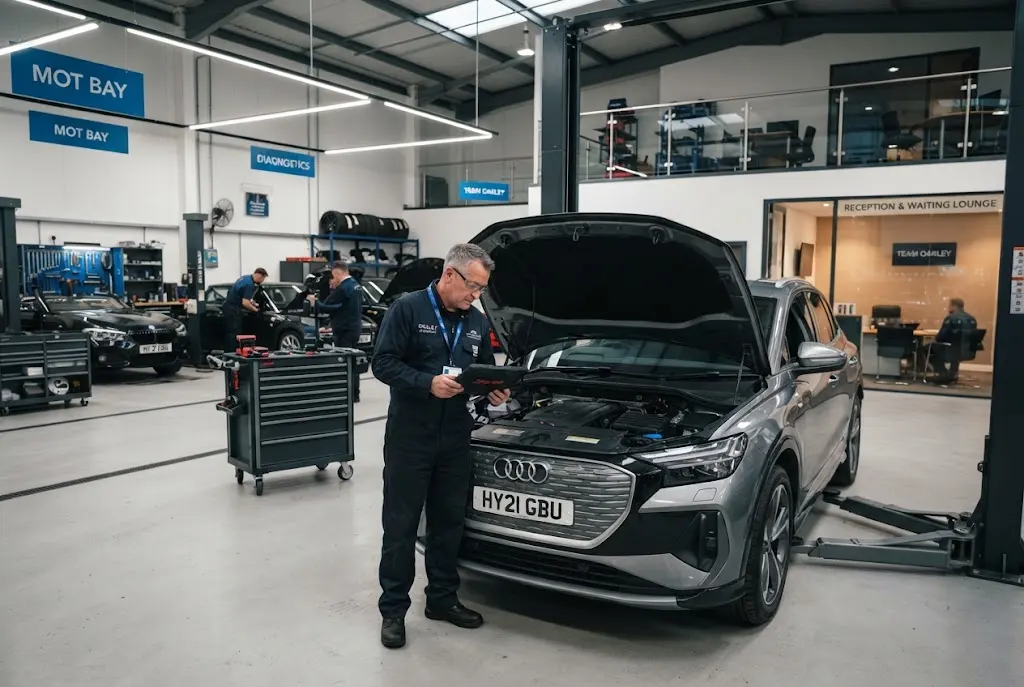
For MOT centres in Great Britain, the Driver and Vehicle Standards Agency sets requirements covering testing standards, equipment, management processes and tester competence. The DVSA’s guidance also emphasises effective management systems, quality checks, training and properly maintained premises and equipment.
For customers, this reinforces an important point: a modern garage should not be judged only by how advanced its booking system looks. Technical competence, appropriate equipment, clear processes and professional servicing remain fundamental.
How Garage Businesses Can Prepare for the Future
There is no single formula for industry transformation. Each garage has different customers, capabilities and commercial priorities. However, several practical areas can form part of a sensible automotive strategy.
- Modernise customer booking: Give customers convenient ways to request and manage appointments.
- Improve communication: Provide clear updates about inspections, repairs and completion times.
- Invest in diagnostics: Ensure technicians have appropriate equipment for the vehicles they service.
- Develop technician skills: Keep training aligned with changing vehicle technologies.
- Digitise workshop records: Maintain accessible and organised service histories.
- Use automation carefully: Automate repetitive administrative work while keeping skilled human oversight.
- Measure workshop performance: Use relevant operational information to identify bottlenecks and improve efficiency.
- Focus on transparency: Make repair recommendations understandable rather than overwhelming customers with technical language.
These steps can also complement a wider maintenance strategy. Drivers who understand the value of regular servicing are more likely to make informed decisions about vehicle care, while garages can use structured service information to build longer-term customer relationships.
Why Convenience Will Continue to Matter
Convenience is likely to remain an important part of automotive service innovation. Modern consumers are accustomed to digital booking, online communication and services designed around their schedules.
This expectation is also creating opportunities for alternative service models. The growth of mobile auto service demonstrates how some motorists are looking for automotive assistance without necessarily visiting a conventional workshop for every requirement.
Traditional garages can respond by improving appointment flexibility, communication and customer processes. Mobile services can complement rather than simply replace conventional workshops, particularly where certain repairs or maintenance tasks require specialist workshop equipment.
The Future Is a Combination of People and Technology
The future of the auto service garage is unlikely to be defined by technology alone. The strongest workshops will still depend on experienced technicians, sound diagnostic judgement and professional standards.
What is changing is the environment in which those skills are used. Digital booking, workshop automation, advanced diagnostics, connected records and better communication can make the service process more efficient and transparent.
For drivers, this could mean easier access to information and a more predictable servicing experience. For independent garages, it creates opportunities to compete through expertise, convenience and customer service rather than relying solely on traditional workshop models.
The automotive industry will continue to evolve as vehicles become more connected, electrified and software-driven. Garages that understand these changes and selectively adopt useful technology can position themselves for a market where maintenance is increasingly data-informed, customer-focused and digitally supported.
Ultimately, the future garage is not simply a workshop filled with new equipment. It is a professional service business that combines skilled people, reliable processes, useful technology and a strong understanding of what modern vehicle owners expect.
For a broader look at how ongoing vehicle care fits into long-term ownership decisions, explore our guide to the long-term value of vehicle maintenance. Drivers considering structured servicing can also learn more about whether car service plans are worth it, while garage selection is covered in our guide to what makes a great garage.