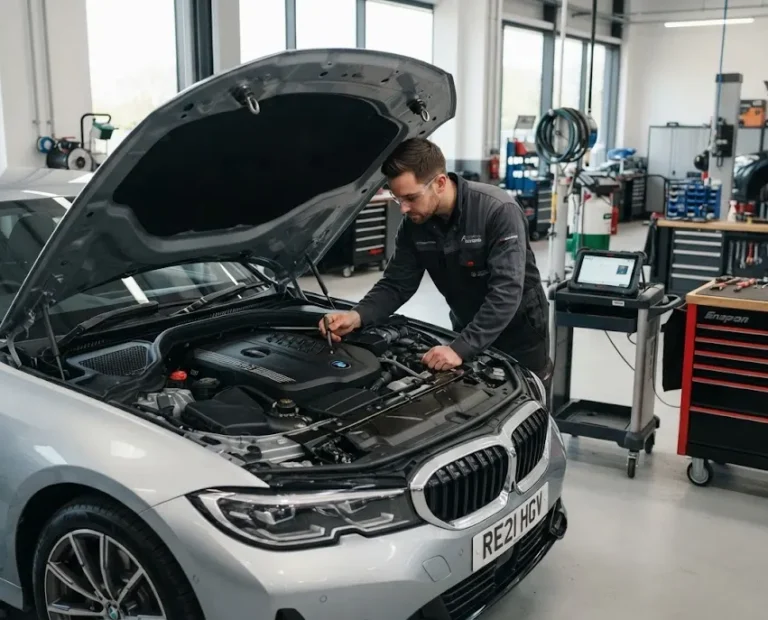
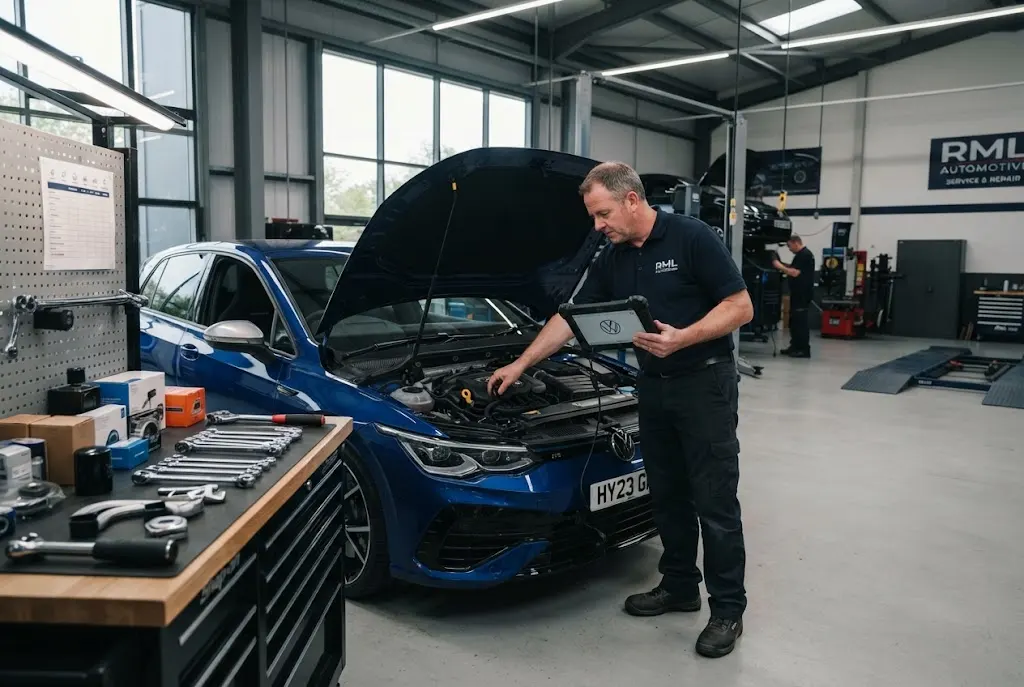
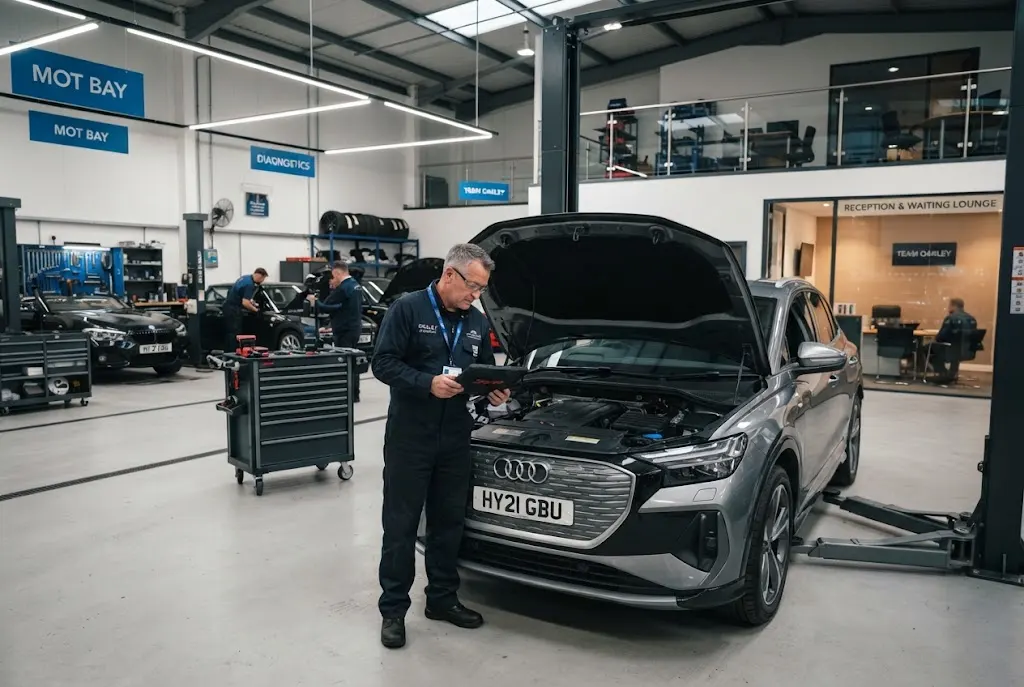
Auto repair services play an important role in keeping vehicles safe, reliable and suitable for everyday driving. However, choosing a repair is not always as simple as accepting the first recommendation from a workshop. Drivers may need to understand the underlying fault, assess its urgency, consider the vehicle’s overall condition and decide how the repair fits into their longer-term ownership plans.
Modern vehicles have also made repairs more complex. Mechanical components now work alongside electronic control systems, sensors, software and advanced safety technology. As a result, good repair work increasingly depends on accurate diagnosis as well as practical workshop expertise.
This guide explains how to approach vehicle repairs more strategically. It looks at diagnosis, repair planning, costs, workshop quality, technology and the changing expectations of UK motorists.
What Are Auto Repair Services?
Auto repair services cover professional work carried out to identify, correct or replace faulty, damaged or worn vehicle components. Depending on the vehicle and the problem, repairs can involve mechanical, electrical, electronic or other specialist systems.
Common examples include investigating brake problems, addressing suspension faults, repairing steering issues, replacing worn components and diagnosing engine or electrical problems.
Repairs are different from routine servicing, although the two can overlap. A service is generally planned maintenance, while a repair responds to a fault or condition requiring corrective work.
Understanding this difference helps owners evaluate workshop recommendations more clearly. A vehicle may be due for routine servicing while separately requiring a repair, or a service inspection may identify a problem that needs attention.
Why Auto Repair Services Require Good Diagnosis
Accurate diagnosis is one of the most important stages of any repair. Replacing a component without establishing why a problem has occurred can result in unnecessary work or fail to address the underlying issue.
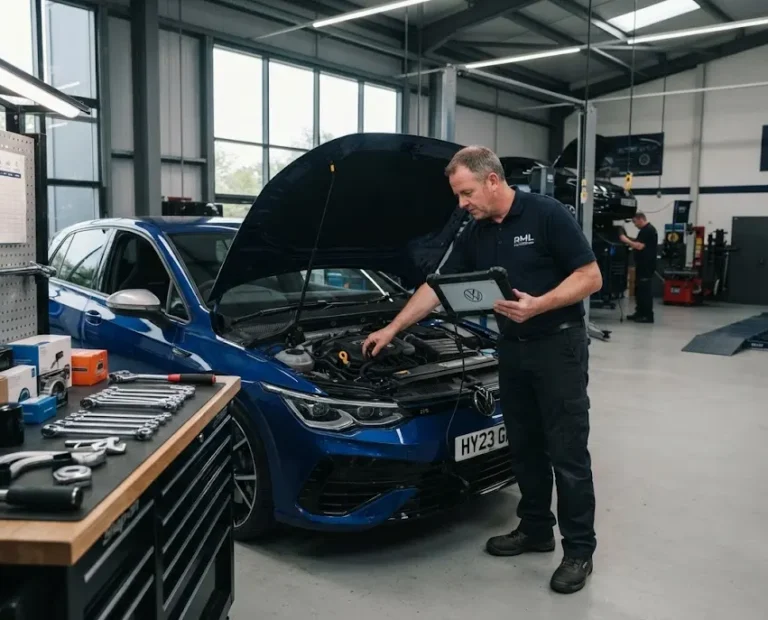
Modern diagnostic equipment can provide useful information, particularly when electronic systems are involved. However, diagnostic information is not necessarily the same thing as a complete diagnosis.
A warning code, for example, may identify a system or circuit associated with a problem without proving that a particular component is the only cause. Technicians may therefore need to combine electronic information with physical inspection, testing and the vehicle’s symptoms.
This combination of technology and professional judgement is becoming increasingly important as vehicles become more sophisticated.
When Should a Vehicle Be Repaired?
Not every repair decision has the same level of urgency. Some faults may require immediate attention because they affect vehicle safety or basic operation, while other issues may allow owners more time to plan.
Drivers should take particular care with problems involving systems that can directly affect safe control of the vehicle. Changes in braking, steering, significant tyre damage or serious warning indicators should not simply be ignored until a convenient date.
For less urgent issues, owners may have an opportunity to obtain a diagnosis, compare options and plan the expense.
The key is to understand what has been identified and what the potential consequences of delaying the work could be.
How to Plan Auto Repair Services
A repair becomes easier to evaluate when it is approached systematically. Instead of focusing only on the quoted price, drivers can consider several questions before authorising work.
- What exactly has been diagnosed?
- Which component or system is affected?
- How urgent is the repair?
- What symptoms or inspection findings support the diagnosis?
- What work is essential and what is recommended for consideration?
- What parts and labour are included in the estimate?
- Is there a warranty or guarantee on the repair?
- How does the repair fit into the vehicle’s age, mileage and future ownership plans?
These questions do not require specialist mechanical knowledge. They simply help the owner understand the decision before committing to significant expenditure.
Understanding Auto Repair Costs
Repair costs can vary considerably depending on the vehicle, fault, parts required, labour time and complexity of the job. A simple component replacement may be relatively straightforward, while an intermittent electrical fault can require substantially more diagnostic work.
Drivers should therefore be cautious about judging whether a quote is reasonable based solely on a headline price found elsewhere.
When comparing estimates, it can be useful to understand what is actually included. Two quotes may appear different because one includes additional parts, diagnostic work or labour that another does not.
For larger repairs, asking for a clear written estimate can make comparison easier. If the workshop discovers additional problems during the repair, the owner can then discuss the new findings before approving further work.
Repair Decisions for Older Vehicles
Repair planning becomes particularly important as a vehicle ages. An individual repair might be entirely reasonable, but repeated repairs can change the economics of ownership.
Owners should consider the vehicle’s overall condition rather than looking at one repair in isolation. Mileage, service history, existing faults, expected future maintenance and the vehicle’s usefulness all contribute to the decision.
A well-maintained older vehicle may still make practical sense to keep. On the other hand, repeated major repairs on a vehicle with several other significant issues could encourage the owner to consider replacement.
There is no universal age or mileage at which repairing a vehicle stops making sense. The right decision depends on the individual vehicle and the owner’s circumstances.
How Servicing Can Reduce Unexpected Repair Problems
Routine servicing and preventive maintenance can play an important role in identifying developing issues. Although servicing cannot prevent every mechanical failure, it provides opportunities for professional inspection and maintenance.
Our guide to car servicing explains how interim, full and major servicing fit into a broader ownership strategy.
Likewise, understanding vehicle maintenance can help owners distinguish between everyday preventive care, scheduled work and unexpected repairs.
The objective is not to eliminate every repair bill. Instead, it is to identify predictable maintenance requirements and deal with emerging problems in a more organised way.
Choosing a Workshop for Auto Repair Services
The right workshop can make a substantial difference to the repair experience. Technical capability matters, but so do communication, transparency and the ability to explain findings clearly.
Drivers may want to consider whether a workshop has appropriate diagnostic equipment for the vehicle and whether technicians have experience with the relevant make, model or technology.
For complicated faults, specialist expertise may be particularly valuable. This is increasingly true for modern vehicles that combine mechanical components with sophisticated electronic systems.
A professional repair environment should also make it reasonably clear what work has been identified, why it is required and what the customer is being asked to approve.
Workshop Innovation and Modern Repairs
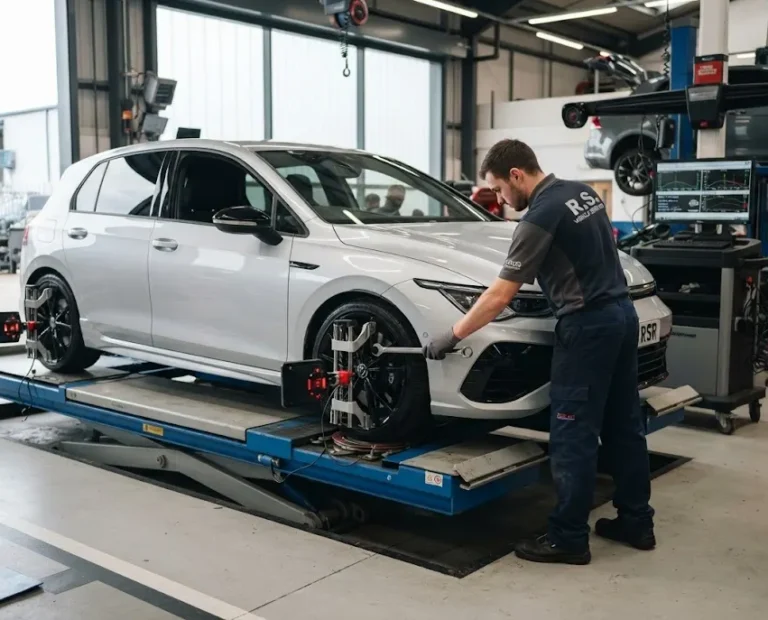
Automotive workshops are adapting to rapid changes in vehicle technology. Digital diagnostics, electronic testing equipment and manufacturer-specific systems have become increasingly relevant to repair work.
Electric and hybrid vehicles are also changing workshop requirements. Their powertrains and high-voltage systems can require specialist knowledge and appropriate safety procedures.
Advanced driver assistance systems introduce another layer of complexity. Components such as cameras, sensors and radar-related systems can form part of vehicle safety technology and may require specialist procedures when affected by repairs or other work.
These developments mean that modern repair quality depends not only on traditional mechanical skills but also on the ability to work with evolving automotive technology.
Auto Repair Services and Vehicle Safety
Some repairs have a direct relationship with road safety. Brakes, tyres, steering, suspension, lighting and other vehicle systems can influence how safely a car operates.
Drivers should therefore avoid delaying repairs where a known fault could compromise safe vehicle control or create a significant risk to other road users.
An MOT can provide an important assessment of specified roadworthiness requirements, but it is not a replacement for ongoing maintenance or repairs.
For current MOT information, motorists can use the official GOV.UK MOT status service.
Drivers can also read our guide to MOT and service for a clearer explanation of how statutory testing differs from routine vehicle care.
Repairing Versus Replacing a Vehicle
One of the more difficult ownership decisions is knowing when continued repairs no longer represent the most sensible option.
The answer should not be based on one repair invoice alone. Owners can consider the vehicle’s recent repair history, expected future maintenance, reliability, condition and likely replacement costs.
It is also important to consider how well the vehicle meets the owner’s current needs. A repair might be financially reasonable, but a major change in lifestyle or driving requirements could make replacement a more practical long-term decision.
This is why repair strategy should form part of broader ownership planning.
Consumer Behaviour and Automotive Repairs
Drivers approach repairs differently. Some prioritise the lowest immediate cost, while others focus on reliability, convenience or keeping a vehicle for as long as possible.
There is no single correct ownership strategy. What matters is understanding the trade-offs.
A very cheap repair may not always represent the best long-term value if parts quality, diagnosis or workmanship are inadequate. Equally, paying for unnecessary work does not automatically improve vehicle reliability.
Informed consumers can therefore benefit from asking questions, reviewing repair recommendations and keeping records of completed work.
How to Communicate With a Garage
Clear communication can make repair work considerably easier. When booking an inspection, drivers should describe symptoms as accurately as possible, including when they occur and whether they change with speed, temperature or driving conditions.
Once the vehicle has been inspected, asking the technician to explain the diagnosis in straightforward language can help the owner understand the proposed repair.
Before approving additional work, drivers can ask whether the issue is urgent, what happens if it is delayed and whether there are related maintenance requirements worth considering at the same time.
Good communication does not require the owner to become a mechanic. It simply creates a clearer basis for making decisions.
Keeping Repair Records
Repair invoices and documentation can provide valuable information about a vehicle’s history. Keeping these records makes it easier to understand which components have already been replaced and when significant work was completed.
Records can also help when discussing future faults with a technician. Previous repairs may provide useful context during diagnosis.
For drivers who eventually sell the vehicle, a well-organised maintenance and repair history can also demonstrate that the car has been actively cared for, although its effect on resale value will vary.
The Future of Auto Repair Services
The repair industry will continue to change as vehicle technology develops. Electric powertrains, connected vehicles, software-controlled systems and advanced driver assistance technology are creating new requirements for technicians and workshops.
Diagnostics are likely to become increasingly important, while specialist training will remain essential for complex systems.
At the same time, the fundamental principles of good repair work will remain relevant: identify the problem accurately, use appropriate parts and procedures, communicate clearly and complete the work to a suitable professional standard.
For drivers, this means that choosing a repair provider based solely on price may become even less useful as vehicles become more technologically complicated.
Final Thoughts on Auto Repair Services
Auto repair services are an essential part of vehicle ownership, but making a good repair decision involves more than accepting a quotation. Drivers should understand the diagnosis, consider urgency, assess costs and think about how the repair fits into the vehicle’s wider ownership picture.
Regular servicing and preventive maintenance can support this process by helping owners identify and plan for vehicle needs. When repairs are required, clear communication and appropriate technical expertise become especially important.
As automotive technology continues to evolve, informed decision-making will become increasingly valuable. By combining professional diagnosis with sensible repair planning, UK motorists can take a more strategic approach to safety, reliability and long-term vehicle ownership.