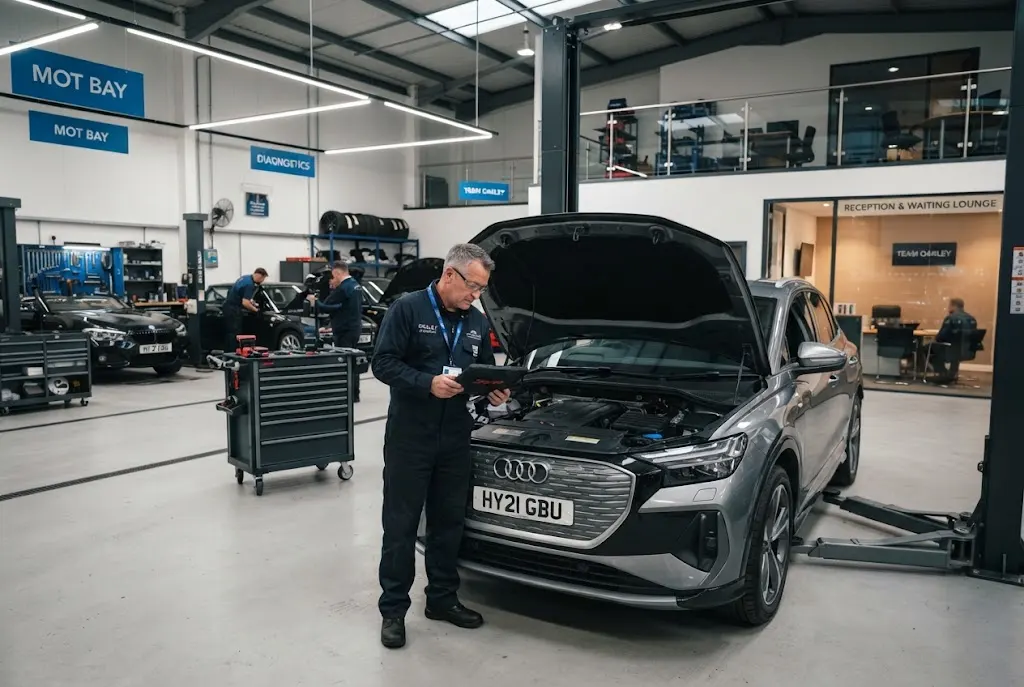
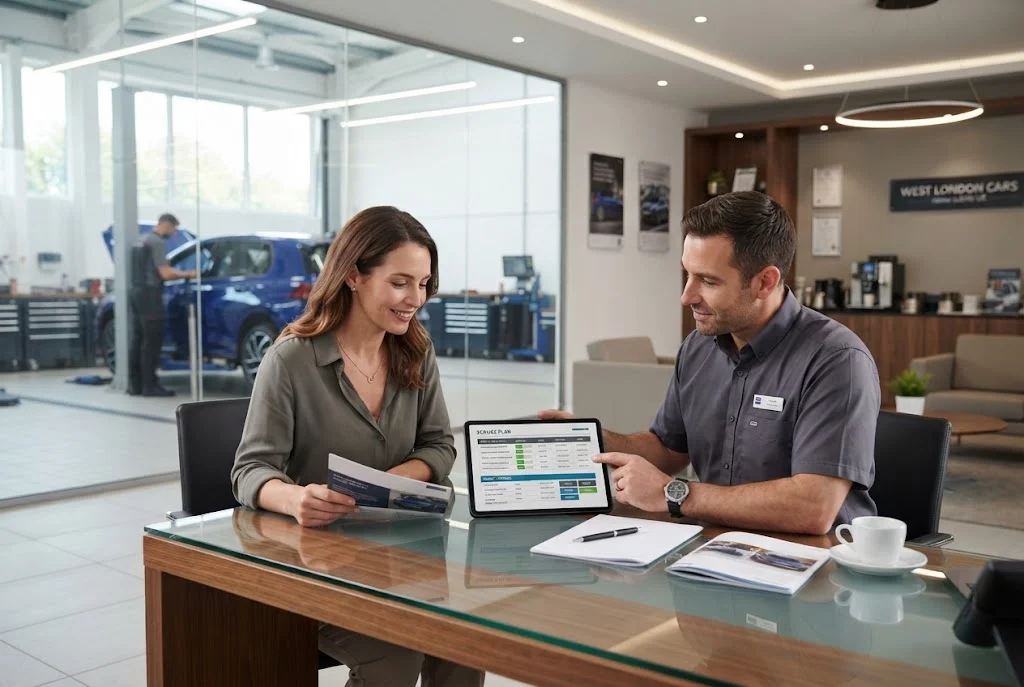
Manufacturer servicing plays an important role in maintaining modern vehicles, particularly when owners choose premium brands with sophisticated engines, electronics and driver-assistance systems. In the UK, drivers can generally choose between manufacturer-authorised workshops, independent specialists and other qualified garages. The most suitable option depends on the vehicle, its age, warranty position, service history and the owner’s long-term priorities.
For premium vehicles, servicing is also part of a wider ownership calculation. Mercedes, Porsche, Lexus, Jaguar and Volkswagen each have different models, maintenance requirements and ownership profiles. Understanding the role of servicing across these brands can help drivers make better decisions about reliability, maintenance budgets and long-term vehicle value.
What Does Manufacturer Servicing Involve?
Manufacturer servicing generally refers to maintenance carried out according to the vehicle maker’s specified procedures, schedules and technical requirements. Depending on the vehicle, this can include oil and filter changes, inspections, brake checks, fluid replacement, software-related procedures and other scheduled maintenance.
The exact requirements vary considerably. A compact family car may have a relatively straightforward maintenance programme, while a high-performance sports car or sophisticated hybrid can require a different approach. That is why owners should always establish the correct requirements for their individual vehicle rather than relying on a generic service timetable.
Manufacturer servicing can also involve access to brand-specific diagnostic equipment, technical information and parts. These factors may be particularly valuable when a vehicle develops a complicated electronic or mechanical issue.
Why Service Standards Matter for Premium Vehicles
Premium vehicles often combine performance with advanced technology. That creates a stronger need for accurate diagnosis and appropriate maintenance procedures. A service appointment should therefore be assessed on technical quality rather than simply its price.
Service standards can include the qualifications and experience of technicians, diagnostic capability, parts quality, inspection procedures, communication and documentation. These factors help determine whether an owner receives meaningful maintenance or simply a basic checklist.
For owners planning to keep a vehicle for many years, consistent maintenance can also support a clearer ownership history. A documented history may be useful when the vehicle eventually enters the used-car market, although resale value is influenced by many other factors.
Mercedes Service and Premium Maintenance
Mercedes vehicles span a wide range of passenger cars, SUVs, performance models and electrified vehicles. As a result, Mercedes service requirements vary significantly according to model and powertrain.
Owners of newer Mercedes vehicles may prefer authorised servicing because of access to manufacturer-specific technical systems and an established service network. For older vehicles, a Mercedes specialist can be another option when the workshop has suitable technical expertise and diagnostic equipment.
The important consideration is whether the maintenance approach matches the vehicle’s needs. A lower labour rate is not automatically better value if diagnostic accuracy, parts quality or technical knowledge are compromised.
Drivers comparing premium brands can also examine our BMW service UK ownership analysis and Audi service UK maintenance guide for additional perspective on premium servicing strategies.
Porsche Servicing Requires a Different Ownership Perspective
Porsche ownership can involve a different maintenance calculation because performance, engineering complexity and vehicle usage can vary considerably. A Porsche used primarily for occasional weekend driving may experience a different pattern of wear from one used frequently on longer journeys or performance-focused driving.
For this reason, Porsche servicing should be considered alongside the vehicle’s mileage, age, model and history. Performance cars may also have maintenance requirements associated with tyres, brakes and other components that can influence total ownership expenses.
Owners should therefore avoid evaluating servicing in isolation. The cost of keeping a premium performance vehicle in good condition includes both scheduled maintenance and components affected by usage.
Lexus Maintenance and Long-Term Ownership
Lexus has a distinct position in the premium market, particularly because of its strong association with hybrid powertrains across much of its UK range. That can influence the maintenance profile compared with conventional petrol or diesel vehicles.
Lexus maintenance should still be planned around the specific model and manufacturer requirements. Hybrid technology does not mean that owners can ignore routine inspections, fluids, tyres, brakes or other maintenance items.
For buyers assessing premium ownership, the broader question is how the vehicle’s maintenance profile fits with expected usage and ownership duration. A car that suits a driver’s requirements and produces predictable maintenance needs can be easier to manage over several years.
Jaguar Service and Ownership Considerations
Jaguar ownership can also require a model-specific approach to servicing. The brand’s range includes different engines, transmissions and vehicle configurations, meaning maintenance requirements cannot be reduced to a single generic schedule.
For a newer Jaguar, an authorised service route may appeal to owners who prioritise manufacturer support and documented maintenance. For an older vehicle, a reputable Jaguar specialist may offer another option, particularly when routine work or diagnosis is required outside the original warranty period.
As with other premium vehicles, the most useful comparison is between total service quality and total ownership cost. Owners should consider the competence of the workshop, parts used, maintenance records and the expected remaining life of the vehicle.
Volkswagen Service and Mainstream-to-Premium Ownership
Volkswagen occupies an interesting position because its vehicles cover a broad section of the UK market, from compact family cars to larger SUVs and performance-oriented models. However, Volkswagen service requirements therefore vary by engine, model, age and usage.
For everyday owners, predictable maintenance can be particularly important because the vehicle may be relied upon for commuting, school runs, business journeys and longer trips. A structured maintenance schedule can help reduce the likelihood of unexpected downtime.
Owners should also remember that Volkswagen Group vehicles can share certain technologies and components across brands, but this does not mean that every model has identical servicing requirements. The correct maintenance information for the individual vehicle remains the most important reference.
Manufacturer Servicing Versus Independent Specialists
One of the most common questions for UK vehicle owners is whether they need to use a manufacturer-authorised garage. The answer depends on the vehicle and the type of work involved.
An authorised workshop can provide manufacturer-specific expertise, access to brand systems and a structured service environment. This can be especially useful for newer vehicles, complex diagnostics and situations where manufacturer-specific procedures are important.
Independent specialists can provide a different ownership proposition. A specialist garage focused on one or several brands may have extensive practical experience and potentially lower labour costs. For an older out-of-warranty vehicle, this can make financial sense.
However, owners should investigate a specialist before choosing one. Relevant technical experience, diagnostic capability, parts quality, insurance, warranties on work and transparent invoices are all useful indicators.
Manufacturer Servicing and Warranty Considerations
Warranty considerations should be checked before changing a servicing strategy. Modern UK vehicle owners have legal and contractual protections that can affect how maintenance is handled, while individual manufacturer warranties can have their own terms.
Owners should therefore read the warranty documentation applicable to their vehicle and confirm the servicing requirements before making assumptions. Where warranty protection is important, retaining invoices and maintenance records is particularly sensible.
This is also one reason why a blanket rule such as “always use the dealer” or “always use an independent garage” is too simplistic. The right approach changes according to the vehicle’s circumstances.
Premium Maintenance and Lifecycle Costs
Lifecycle costs provide a better framework for comparing premium vehicles than individual service prices. A vehicle’s ownership expenses can include servicing, tyres, brakes, repairs, insurance, fuel or charging, taxation, depreciation and financing.
Manufacturer servicing is one component of that wider equation. A vehicle with an apparently inexpensive service schedule can still be costly to own if depreciation, tyres or repairs are significant. Conversely, a higher servicing cost may be acceptable if the vehicle provides strong reliability, retains value well or meets the owner’s requirements exceptionally well.
Drivers considering different premium brands should therefore estimate expected costs across the period they intend to own the vehicle. This approach provides more useful information than comparing a single service quotation.
How Service Standards Can Influence Reliability
Long-term reliability depends on many factors, including engineering, driving conditions, component quality and maintenance. Servicing cannot guarantee that a vehicle will never develop a fault, but it can help ensure that scheduled maintenance is completed and developing problems are investigated.
Good service standards also involve identifying issues that may not be obvious to the owner. Professional inspections can reveal worn components, fluid leaks, brake deterioration or other maintenance concerns that could otherwise become more expensive problems.
Owners should also pay attention to changes in vehicle behaviour between services. Warning lights, unusual noises, changes in braking performance or unexpected changes in fluid levels should be investigated rather than simply waiting for the next scheduled appointment.
How to Compare Premium Servicing Options
When comparing service providers, UK drivers should look beyond the headline price. A useful comparison can include:
- Technician training and brand experience
- Diagnostic equipment and technical capability
- Parts quality and sourcing
- Service and repair warranties
- Transparency of estimates and invoices
- Quality of maintenance records
- Workshop reputation and customer communication
- Convenience and vehicle downtime
These factors can help distinguish genuine value from a low-cost service that may not provide the same level of technical support.
Manufacturer Servicing and Used Premium Cars
Servicing becomes particularly important when buying or selling a used premium vehicle. Buyers may want evidence that the vehicle has received appropriate maintenance, especially when considering a model with complex technology or a higher repair risk.
A complete service record cannot eliminate the risk of future repairs, but it provides useful information about the vehicle’s history. Buyers should also check mileage consistency, previous repairs, MOT history and the condition of major wear components.
For owners considering a used premium purchase, our used cars market analysis provides additional context around vehicle history, buying strategy and ownership trends.
Building a Better Premium Maintenance Strategy
The most effective maintenance strategy starts with the individual vehicle. Identify its model, engine or powertrain, age, mileage and existing service history. Then establish which maintenance items are scheduled and which costs are likely to arise from normal wear.
Next, consider how long the vehicle is likely to be kept. A driver planning to sell within a year may prioritise documented servicing and immediate maintenance needs differently from someone planning to keep the car for another five years.
Budgeting for predictable wear is also important. Tyres, brakes, batteries and suspension components can create significant expenses independently of routine servicing. Planning for them can make premium ownership more financially manageable.
Is Manufacturer Servicing Worth It?
Manufacturer servicing can be valuable when the benefits justify the additional cost. For newer or technically complex vehicles, access to trained technicians, manufacturer-specific diagnostic systems and established procedures may provide significant reassurance.
For older vehicles, however, owners may reasonably compare authorised servicing with independent specialists. The decision should be based on technical competence and total value rather than brand loyalty alone.
Ultimately, premium maintenance should protect the vehicle without creating unnecessary expenditure. The best service strategy is the one that keeps the car properly maintained, provides reliable documentation and fits the owner’s long-term financial and practical objectives.
Final Thoughts on Premium Brand Servicing
Manufacturer servicing remains an important consideration for UK drivers who want to manage premium vehicle ownership intelligently. Mercedes, Porsche, Lexus, Jaguar and Volkswagen all have different vehicle ranges and maintenance profiles, so servicing decisions should always be made with the individual vehicle in mind.
Whether an owner chooses an authorised manufacturer network or a qualified independent specialist, service quality should remain the priority. Proper maintenance, accurate diagnosis, quality parts and good records can all contribute to a more predictable ownership experience.
By considering servicing alongside lifecycle costs, reliability expectations, vehicle age and future ownership plans, drivers can make more informed decisions about premium maintenance and avoid judging value solely by the price of a single service.