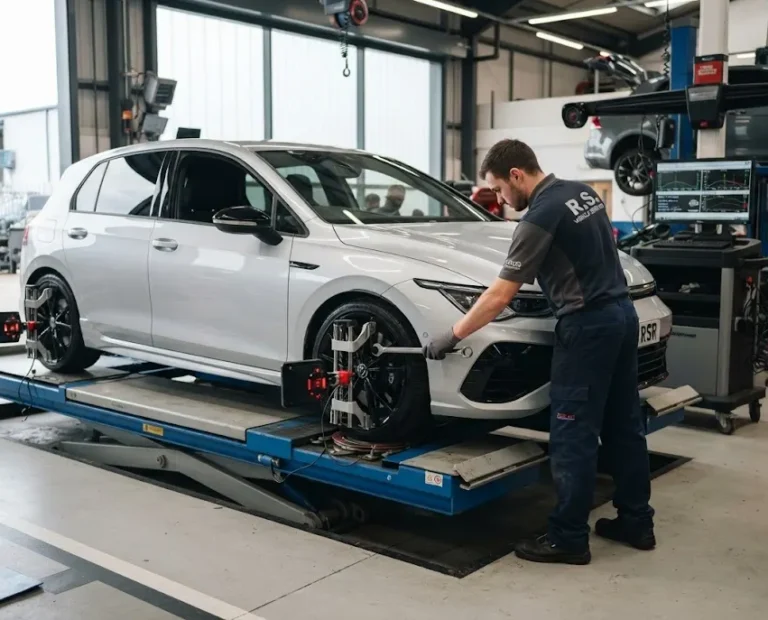
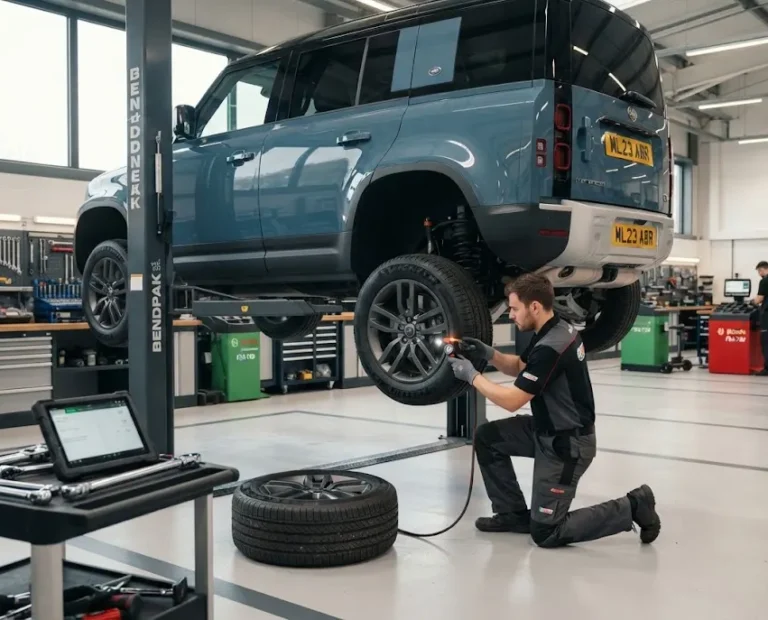
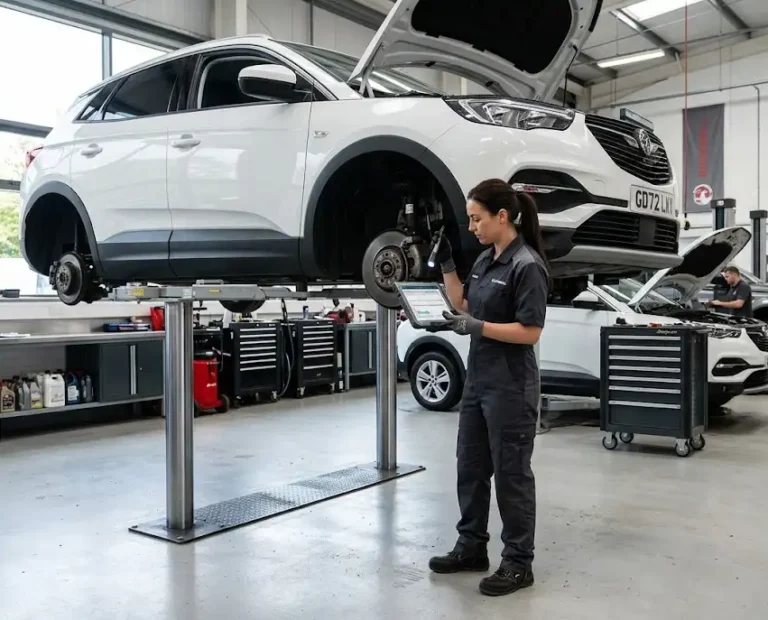
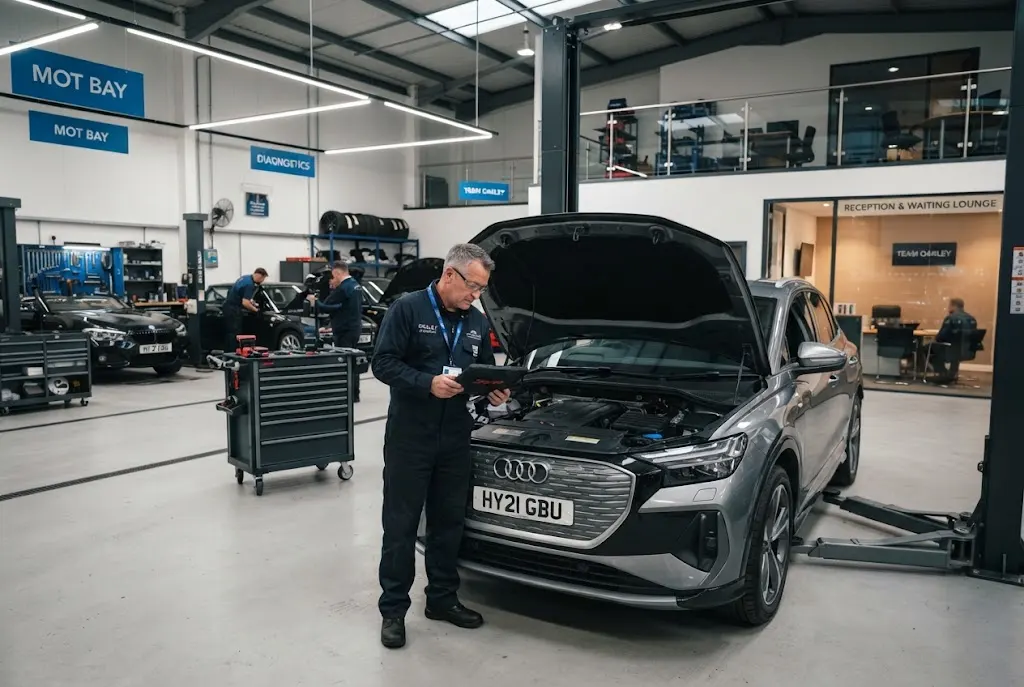
Auto care services cover much more than repairing a vehicle after something goes wrong. A well-planned approach to vehicle care combines routine servicing, preventive maintenance, inspections, cleaning and attention to early warning signs. For drivers, this can make it easier to protect vehicle reliability, maintain everyday performance and make sensible decisions throughout the ownership journey.
Good vehicle care is not about servicing a car unnecessarily or reacting to every minor change. Instead, it is about understanding what the vehicle needs, following appropriate service routines and addressing genuine problems before they become more disruptive. A consistent approach can also help owners understand how everyday driving habits affect the condition and long-term value of their cars.
What Are Auto Care Services?
Auto care services are the range of maintenance, inspection, cleaning and repair activities used to keep a vehicle in suitable condition. The exact services required vary according to the vehicle, its age, mileage, usage and maintenance history.
Routine servicing is one important part of vehicle care. However, it sits alongside other activities such as tyre checks, brake inspections, fluid checks, diagnostics, battery maintenance and exterior or interior detailing.
The objective is simple: identify what the vehicle needs and maintain it appropriately rather than relying entirely on emergency repairs.
Why Vehicle Care Should Be More Than Reactive Repairs
A reactive approach means waiting until a noticeable fault develops before taking action. While repairs will always be necessary at times, relying exclusively on breakdowns and warning signs can make vehicle ownership more unpredictable.
Preventive care takes a different approach. It involves following recommended service intervals, checking important components and responding to early signs of deterioration.
For example, unusual braking behaviour, changing tyre wear, fluid loss or unfamiliar noises may justify an assessment before the problem develops further. Acting early does not guarantee that a major repair will be avoided, but it can provide an opportunity to understand and address issues sooner.
Building Better Maintenance Habits
Consistent maintenance habits are often more useful than occasional bursts of attention. Drivers do not need to become automotive experts, but they should know the basic condition of their vehicle and understand when professional assistance is appropriate.
Simple habits can include checking tyre condition, paying attention to warning lights, monitoring fluid levels where appropriate and keeping track of servicing and repair records.
Drivers should also pay attention to changes in how their vehicle behaves. A change in steering, braking, engine performance or unusual vibration may provide useful information that should not be ignored.
Keep Service Records Organised
Service records provide a useful history of work carried out on a vehicle. Keeping invoices, inspection findings and maintenance information together makes it easier to understand what has already been done and what may be due next.
Good records can also become valuable when a vehicle is sold because they help demonstrate how it has been maintained.
Follow Appropriate Service Intervals
Service schedules differ between vehicles, so owners should refer to the manufacturer’s recommendations and any relevant servicing requirements. Mileage is not the only consideration; time, usage patterns and operating conditions can also influence maintenance needs.
Preventive Care and Vehicle Reliability
Preventive care is based on the principle of dealing with maintenance needs before they become urgent failures. It can include routine checks and planned replacement or servicing of components according to the vehicle’s requirements.
Some maintenance items are designed to be inspected or replaced at particular intervals. Others require attention when wear or deterioration becomes apparent.
A professional assessment can help distinguish between normal wear, developing problems and faults that require immediate attention. This is particularly useful when a driver is unsure whether a symptom is serious.
How Inspections Fit Into Auto Care Services
Inspections can provide an additional layer of information within a broader vehicle care routine. While an MOT checks specific legal and safety requirements, a wider vehicle inspection may help identify other maintenance concerns.
For drivers who want to understand the role of inspections in more detail, our guide to auto inspection services explains how vehicle assessments can support maintenance planning and a better understanding of vehicle condition.
Inspection findings can then be used alongside servicing records and professional advice to decide what needs attention and when.
Detailing Is Part of Vehicle Care Too
Vehicle care is not limited to mechanical components. Exterior and interior condition also matter, particularly for owners who want to preserve the appearance and usability of their cars.
Detailing goes beyond a quick wash. Depending on the service, it can involve thorough cleaning of interior surfaces, exterior paintwork, wheels and other areas of the vehicle.
Regular cleaning can also make it easier to notice changes in the vehicle’s condition. Scratches, paint damage, corrosion-related concerns or damaged trim may become more apparent when the vehicle is cleaned carefully.
However, detailing should be viewed as complementary to mechanical maintenance. A clean vehicle still needs appropriate servicing and safety checks.
Vehicle Care and Everyday Driving
Driving habits can influence how quickly certain components wear. Frequent short journeys, heavy traffic, motorway driving, towing and demanding conditions can all place different demands on a vehicle.
This is why two vehicles of the same age and mileage can have noticeably different maintenance needs.
Understanding how a car is actually used can help owners make better maintenance decisions. A vehicle used mainly for short urban journeys may need a different maintenance conversation from one that regularly covers long motorway distances.
Adapting Care to Different Vehicles
There is no single maintenance routine that suits every vehicle. A small city car, family SUV, commercial vehicle and high-mileage commuter vehicle can all have different operating demands.
Driving patterns also matter. Frequent short journeys, heavy traffic and demanding loads may affect some aspects of vehicle condition differently from regular longer-distance driving.
Owners should therefore combine manufacturer guidance with professional advice and awareness of their actual usage. This creates a more practical service strategy than following generic maintenance advice without considering the vehicle itself.
Using Diagnostic Checks Wisely
Modern vehicles contain sophisticated electronic systems that can record information about faults and operating conditions. Diagnostic equipment can therefore be useful when warning lights appear or a vehicle develops an unexplained issue.
However, a diagnostic scan should not be treated as a complete vehicle health assessment. A stored fault code may identify a system that needs investigation, but additional physical testing can still be necessary.
Good auto care combines technology with professional judgement. Diagnostics can provide valuable information, while inspection and testing help establish what that information means in the context of the vehicle.
Choosing the Right Auto Care Services
Not every vehicle requires the same combination of services. The right approach depends on factors such as age, mileage, condition, usage and previous maintenance.
For routine work, drivers should look for clear service information and an approach that follows appropriate manufacturer recommendations. For a specific fault, diagnostic or inspection expertise may be more important.
Convenience can also influence the choice of provider. Some maintenance tasks may be suitable for a mobile auto service, allowing a mechanic to attend at a suitable location. More complex repairs may require a fully equipped workshop.
Auto Care and Long-Term Vehicle Value
Maintaining a vehicle properly can support its condition throughout ownership. Although maintenance cannot prevent normal depreciation, a well-documented service history and good overall condition can be useful when the time comes to sell or replace the vehicle.
Appearance matters too. A vehicle with a cared-for interior and exterior can make a stronger impression than one that has been neglected, although mechanical condition and service history remain important considerations.
The broader lesson is that vehicle care should be viewed as an ownership strategy rather than a series of isolated expenses.
Creating a Practical Service Routine
A practical service routine does not need to be complicated. Start by keeping an accurate record of servicing, inspections and repairs. Then follow the appropriate service schedule while remaining alert to changes in vehicle behaviour.
It can also help to separate immediate safety concerns from routine maintenance. If a professional identifies a potentially dangerous fault, that issue should take priority. Less urgent recommendations can often be planned around future servicing and budget considerations.
This approach gives drivers a clearer framework for making decisions instead of treating every maintenance recommendation as an emergency.
Auto Care Services and Service Planning
Service planning makes it easier to manage vehicle care over time. Instead of treating every maintenance requirement as an unexpected expense, motorists can use service records and manufacturer recommendations to anticipate upcoming work.
Planning is particularly useful for owners who depend heavily on their vehicle for commuting, family responsibilities or business activities. A preventable mechanical problem can create disruption as well as a repair bill, so keeping the vehicle in suitable condition can have practical benefits beyond the workshop invoice.
Good planning should still remain flexible. Vehicles are used in different ways, and their condition can vary. A technician may identify wear that needs attention earlier than expected, while another component may remain in good condition for longer.
The objective is therefore to combine scheduled maintenance with condition-based decisions rather than relying on a rigid checklist alone.
When Professional Guidance Matters
There are situations where professional guidance is especially valuable. If a vehicle develops an unfamiliar noise, warning light, vibration, fluid leak or change in handling, guessing at the cause can lead to unnecessary expense or delayed repairs.
A qualified technician can assess the symptoms, carry out appropriate checks and explain what action may be required.
Professional guidance is also useful when a vehicle has multiple maintenance issues. Understanding which repairs are safety-critical, which are preventative and which can be monitored helps owners prioritise their spending sensibly.
The Future of Vehicle Care
Vehicle care is becoming increasingly connected with technology. Digital service records, electronic diagnostics and changing servicing models are giving owners more ways to access information about their vehicles.
At the same time, the fundamentals remain familiar. Vehicles still need appropriate maintenance, inspections, repairs and attention to wear.
The technology may change how services are delivered, but the underlying ownership strategy remains focused on reliability, safety, informed decisions and long-term care.
Final Thoughts on Auto Care Services
Auto care services work best when they form part of a consistent ownership strategy rather than being used only after a breakdown occurs. Routine servicing, preventive care, inspections, diagnostics and detailing each have a different role, and together they can help drivers maintain their vehicles more effectively.
The most practical approach is to understand the vehicle’s requirements, keep reliable maintenance records and respond appropriately when something changes. By developing sensible service routines and seeking expert guidance when needed, drivers can make better decisions about vehicle care while supporting reliability and long-term value.