Mobile auto service is changing how drivers approach vehicle maintenance and repairs. Instead of always taking a car to a traditional workshop, motorists can increasingly arrange for a mobile mechanic to visit their home, workplace or another suitable location. This approach combines practical servicing with greater convenience and reflects changing consumer habits across the automotive industry.
For many drivers, the attraction is straightforward: less time spent travelling to a garage, fewer disruptions to the working day and a more convenient way to deal with certain maintenance and repair needs. Although mobile servicing cannot replace every type of workshop repair, it has become an increasingly useful option for drivers who value flexibility.
What Is Mobile Auto Service?
Mobile auto service refers to vehicle maintenance, diagnostics or repairs carried out at a customer’s chosen location rather than exclusively inside a conventional garage. Depending on the provider and the job, this could mean a mechanic visiting a home driveway, workplace car park or another accessible location.
The range of services available varies. Some mobile mechanics concentrate on routine maintenance and minor repairs, while others offer diagnostics, inspections, battery-related work and selected mechanical repairs.
The key difference is the service model. Rather than the customer arranging their day around a workshop visit, the mechanic brings the service closer to the vehicle owner.
Why Mobile Auto Service Is Becoming More Popular
The growth of mobile servicing is closely connected with convenience. Modern drivers often have demanding work schedules, family responsibilities and limited spare time. Spending part of a day travelling to a workshop and waiting for a vehicle to be assessed may not fit easily into those routines.
Mobile maintenance offers a different experience. When the repair is suitable for a mobile setup, the customer can potentially have the work carried out while they are at home or working nearby.
This does not mean traditional garages are becoming unnecessary. Workshops remain essential for jobs that require specialist equipment, extensive dismantling, controlled working environments or larger repair facilities. Instead, mobile servicing adds another option to the wider automotive service market.
Mobile Mechanic Services at Home or Work
One of the most noticeable advantages of a mobile mechanic is the ability to receive selected services at a convenient location. Home servicing can be particularly useful for routine maintenance or straightforward repairs that do not require a full workshop environment.
For example, a driver may prefer to arrange an appointment at home rather than take time away from work. Alternatively, a business with several vehicles may find it useful to have certain maintenance tasks completed at its premises, reducing the need to move individual vehicles between locations.
However, the location must be appropriate and safe for the work being carried out. A reputable provider should be able to explain what services can realistically be performed on-site.
The Role of the Mobile Mechanic
The mobile mechanic is at the centre of this business model. Unlike a technician working within a fixed workshop, a mobile professional must operate with a carefully selected set of tools and equipment that can be transported between appointments.
Preparation is therefore particularly important. The mechanic needs sufficient information about the vehicle and reported fault to determine what equipment, diagnostic tools and potential parts may be required.
Accurate initial information can improve efficiency. If a customer describes a problem clearly, the provider may be able to assess whether it is appropriate for mobile repair and prepare accordingly.
Professionalism also matters. Customers are inviting the technician to work at their home, workplace or another location, so communication, punctuality and clear explanations can strongly influence the overall experience.
What Services Can a Mobile Mechanic Provide?
There is no universal list of mobile mechanic services because capabilities vary between providers. Some common areas can include routine maintenance, fault diagnosis, battery-related services and selected mechanical repairs.
Routine Maintenance
Some mobile providers offer selected servicing tasks designed to keep vehicles maintained without requiring a workshop visit. These may include certain fluid checks, filter-related work and other routine maintenance activities, depending on the vehicle and service provider.
Diagnostic Checks
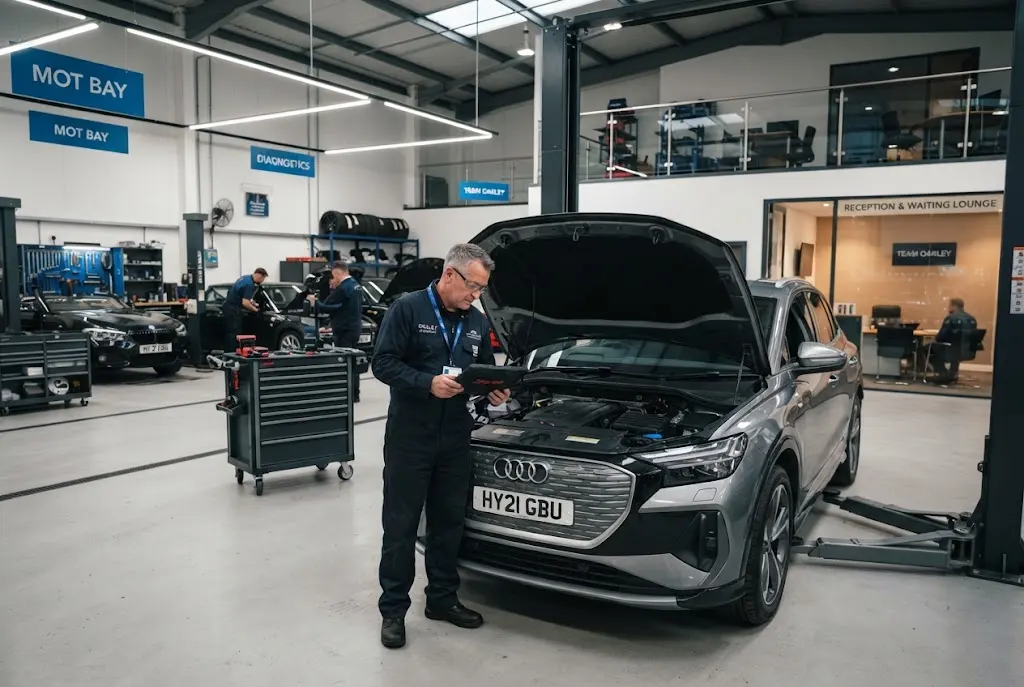
Modern vehicles depend heavily on electronic systems, making diagnostics an important part of automotive maintenance. Mobile technicians equipped with suitable diagnostic tools may be able to investigate warning lights and identify stored fault information at the customer’s location.
Diagnostic equipment, however, is not a substitute for professional diagnosis. A fault code can provide useful information, but further physical testing may still be required to establish the underlying cause.
Minor Repairs
Certain repairs can be completed away from a workshop when the necessary parts, tools and working conditions are available. The suitability of a mobile repair depends on the specific fault, vehicle and equipment required.
For more complex jobs, a mechanic may recommend moving the vehicle to a fully equipped workshop instead.
Mobile Auto Service and Roadside Assistance
Mobile servicing and roadside assistance overlap in some situations, but they are not identical. Roadside assistance generally focuses on helping motorists whose vehicles have broken down or become difficult to drive, while mobile servicing can include planned maintenance and repairs.
For example, a vehicle that will not start may require roadside assistance, whereas a driver arranging a routine maintenance appointment in advance is using a planned mobile service.
There can nevertheless be an important connection between the two. A mobile mechanic may be able to diagnose a breakdown at the roadside and determine whether a repair can be completed there or whether recovery to a workshop is necessary.
The Convenience of On-Demand Repairs
On-demand repairs appeal to drivers because they can reduce some of the disruption traditionally associated with vehicle maintenance. Instead of organising transport to and from a garage, the vehicle owner may be able to remain at home or continue with their normal activities while the mechanic works nearby.
This can be particularly useful when a vehicle is inconvenient or unsafe to drive. If the issue prevents the car from being used normally, having a technician come to the vehicle can simplify the first stage of getting the problem assessed.
Nevertheless, convenience should never override safety. If a vehicle has a serious mechanical or safety issue, it should not be driven simply to reach a workshop. Professional advice should determine the safest course of action.
Changing Consumer Habits Are Shaping Vehicle Maintenance
Consumers increasingly expect services to fit around their schedules rather than requiring them to reorganise their day. This pattern can be seen across many industries, and vehicle servicing is no exception.
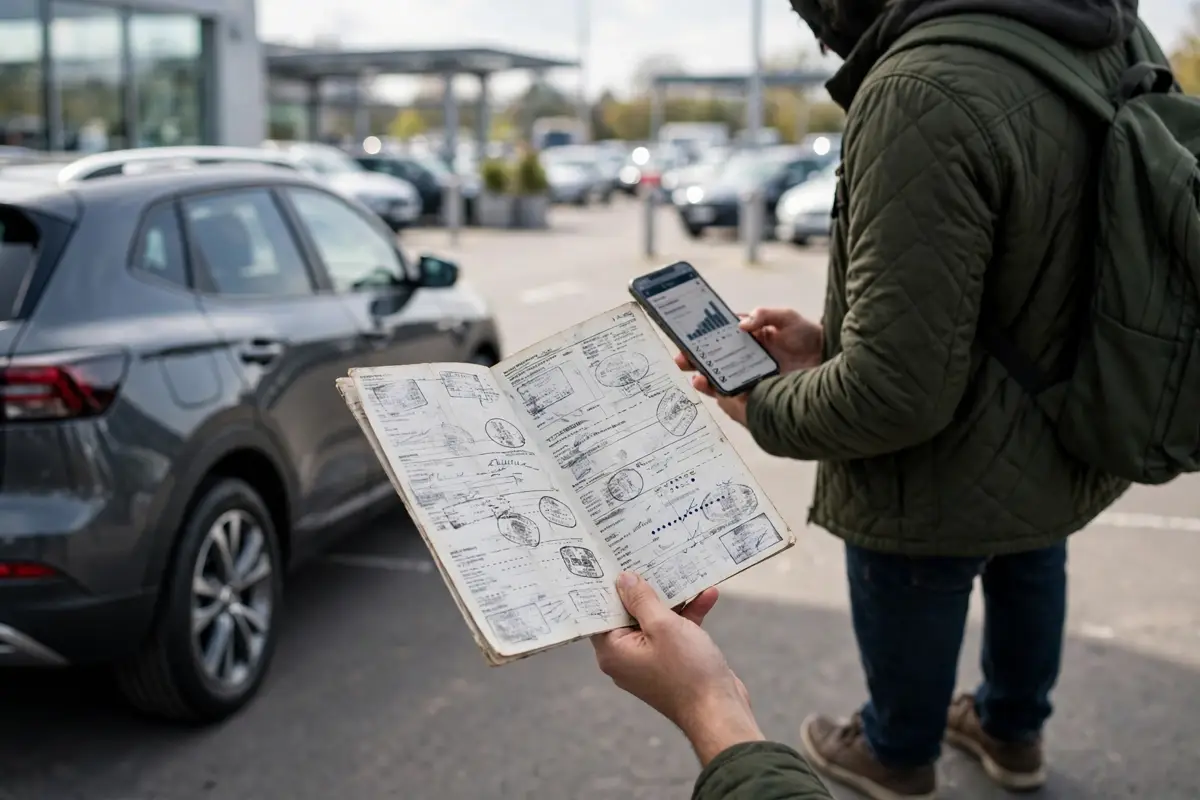
Digital booking systems, mobile communication and easier access to information have also changed how people arrange automotive services. Drivers can research providers, compare service descriptions and arrange appointments without necessarily visiting a garage first.
As these expectations develop, convenience becomes part of the overall service experience. A technically competent repair remains essential, but customers may also value communication, appointment flexibility and transparency.
Digital Booking Is Supporting the Business Model
Digital booking has become an important part of on-demand automotive services. Customers can potentially select a service, provide vehicle details, describe a problem and request an appointment without making several telephone calls.
For the business, a structured booking system can provide useful information before the appointment. Vehicle registration details, service requirements and location information can help with planning and scheduling.
Digital communication can also make appointment reminders and updates easier to manage. This can reduce unnecessary administrative work while helping customers understand when the technician is expected to arrive.
However, digital convenience should be supported by good operational processes. A simple booking interface cannot compensate for poor scheduling, inaccurate estimates or inadequate preparation.
Mobile Maintenance for Busy Drivers
Mobile maintenance can be particularly attractive to people whose vehicles are essential to their daily routines. Commuters, self-employed drivers and families may find it difficult to lose several hours travelling to a workshop.
For business users, the potential time savings can be even more relevant. When vehicles form part of day-to-day operations, reducing unnecessary downtime can support smoother scheduling.
That said, mobile maintenance should be planned around the manufacturer’s servicing requirements and the actual condition of the vehicle. Convenience works best when it complements, rather than replaces, a sensible maintenance strategy.
Mobile Auto Service vs Traditional Garages
Mobile auto service should not be viewed simply as a replacement for the traditional garage. The two models serve different needs.
A mobile mechanic can offer flexibility and convenience for suitable jobs. A workshop, meanwhile, can provide a controlled environment, lifting equipment, specialist machinery and additional facilities for more involved repairs.
The best choice depends on the work required. A straightforward repair may be well suited to a mobile appointment, while a complex mechanical problem may require workshop equipment.
Drivers can also combine different approaches. For example, a vehicle might receive a mobile diagnostic assessment before being taken to a workshop for a larger repair. Similarly, routine maintenance could be arranged around the owner’s schedule while more substantial work is handled by a specialist garage.
The Economics of Mobile Auto Service
The economics of mobile auto service are shaped by both productivity and travel. A fixed workshop can have several vehicles in different service bays, while a mobile mechanic may spend part of each working day travelling between customers.
Travel time therefore becomes an important operational consideration. Efficient route planning and sensible appointment scheduling can help reduce unproductive journeys.
Location also influences business viability. A provider serving a concentrated geographical area may be able to schedule multiple appointments efficiently, whereas customers spread across a large region can create greater travel requirements.
Equipment represents another consideration. A mobile business must invest in tools and diagnostic equipment that provide sufficient capability without creating an impractical or overly costly vehicle setup.
These factors mean that mobile automotive businesses need to balance customer convenience with operational efficiency.
How Mobile Servicing Fits Into Broader Auto Care
Mobile servicing is only one part of a wider approach to vehicle care. Regular maintenance, inspections and early attention to developing faults can all contribute to better vehicle health.
Drivers who want to take a more proactive approach can also learn more about auto care services and how different maintenance routines fit together.
For example, an inspection can help identify potential concerns before they become disruptive, while mobile maintenance can provide a convenient way to address suitable issues. These approaches work together rather than competing with one another.
Customer Experience Can Drive Industry Growth
Convenience alone does not guarantee a successful mobile automotive business. Customers still expect accurate diagnosis, competent workmanship, fair communication and professional service.
In fact, customer experience can become even more important when the technician works directly at a customer’s location. The process needs to be organised because there is less separation between the service environment and the customer.
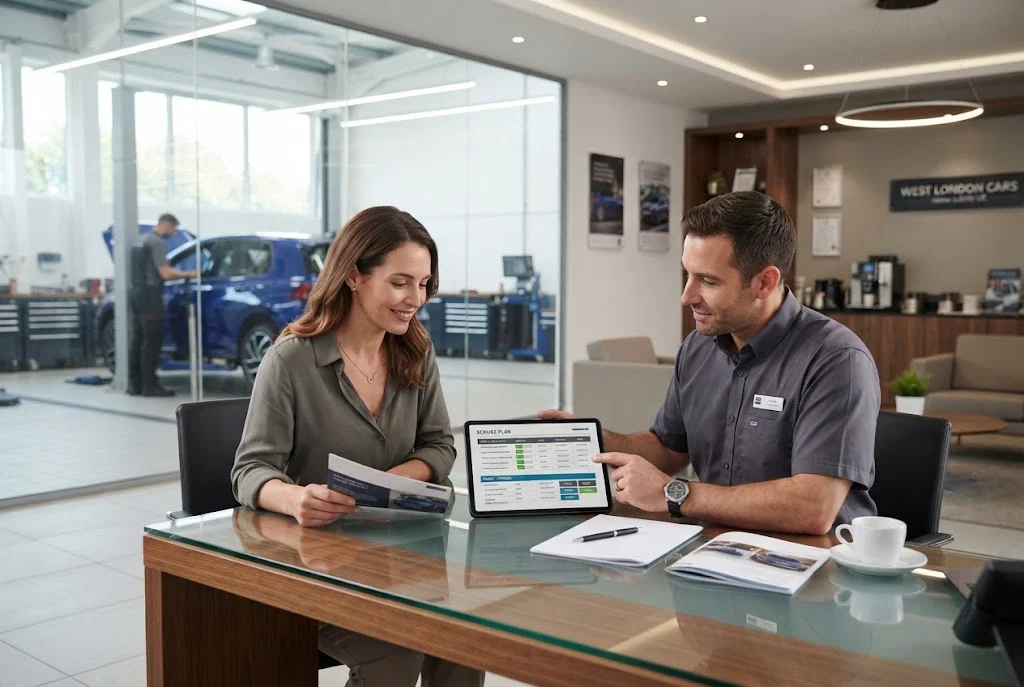
Clear estimates and explanations can help establish realistic expectations. If additional work is discovered, customers should understand what has been found and why further attention may be required.
This emphasis on service quality connects with the wider development of auto care services, where motorists increasingly consider convenience, maintenance planning and professional advice together.
The Industry Evolution of Mobile Mechanics
The rise of mobile mechanics reflects a broader evolution in the automotive service industry. Vehicles are becoming more technologically advanced, customers are becoming more convenience-focused and service providers have more ways to communicate with customers digitally.
At the same time, mobile technicians need to adapt to increasingly complex vehicles. Diagnostic equipment, technical knowledge and access to the right parts can determine which jobs can be completed successfully away from a workshop.
This means the future of mobile servicing is unlikely to be based on convenience alone. Technical capability, professional standards and clear communication will remain important as the service model develops.
Challenges Facing Mobile Automotive Businesses
Mobile servicing has clear opportunities, but the business model also presents challenges. Weather can affect working conditions, particularly for jobs performed outdoors. Parking restrictions and difficult vehicle access can create practical problems.
Travel can also reduce productivity if appointments are poorly organised. A delayed job may affect several later bookings, making scheduling accuracy particularly important.
Parts management can be another challenge. A mobile technician cannot realistically carry every possible component for every vehicle. When an unexpected part is required, the business may need to arrange a second appointment or move the vehicle to a workshop.
These limitations demonstrate why careful job assessment and communication are essential to the success of the model.
What Should Drivers Consider Before Booking?
Before arranging a mobile appointment, drivers should establish exactly what the service includes. Ask whether the provider has experience with the vehicle, whether diagnostics are included where relevant and whether additional parts or labour could be required.
It is also worth confirming the location requirements. Some repairs may require a level, accessible area with sufficient working space. If the vehicle is in a dangerous position or cannot be safely accessed, roadside recovery may be more appropriate.
Clear communication before the appointment can prevent misunderstandings and help the technician arrive with suitable equipment.
The Future of Mobile Auto Service
As vehicle ownership and consumer expectations continue to evolve, mobile servicing is likely to remain an important part of the automotive service landscape. Its strongest advantage is not that it can perform every repair anywhere, but that it can make suitable maintenance and repair work more accessible.
Future developments in vehicle diagnostics, digital booking and connected-car technology may further influence how mobile services operate. However, the fundamental principle is unlikely to change: drivers want reliable vehicle care that fits more easily into their lives.
For motorists, that means having more choice. Traditional workshops, specialist services, roadside assistance and mobile mechanics can each play a role depending on the vehicle’s needs and the circumstances.
Final Thoughts on Mobile Auto Service
Mobile auto service has grown because it addresses a simple problem: vehicle maintenance can be inconvenient. By bringing selected servicing, diagnostics and repairs closer to the customer, mobile mechanics can make appropriate automotive work easier to arrange.
The model is not suitable for every repair, and it should never compromise safety or professional standards. Yet when the job, vehicle and location are suitable, mobile servicing can offer a practical alternative to a conventional workshop visit.
As consumer expectations continue to shift, the combination of technical expertise and service convenience is likely to remain an important part of the industry’s evolution.