Auto inspection services provide a structured way to assess a vehicle’s condition, identify potential faults and understand whether it remains safe and suitable for the road. While many drivers associate inspections mainly with the annual MOT, a broader vehicle inspection can provide useful information about mechanical condition, safety-related components and developing problems between routine services.
Understanding what an inspection involves can help motorists make better maintenance decisions. Instead of waiting for a warning light, unusual noise or an MOT failure, drivers can use regular checks to build a clearer picture of their vehicle health and deal with problems before they become more disruptive or expensive.
What Are Auto Inspection Services?
Auto inspection services involve examining key areas of a vehicle to identify visible defects, mechanical concerns, safety issues or signs of wear. The exact scope depends on the type of inspection, the vehicle and the reason for the assessment.
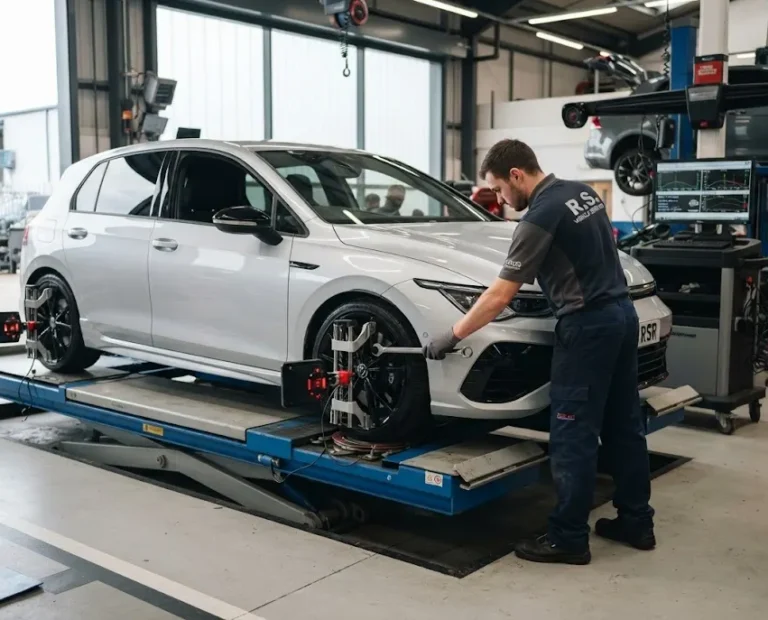
A basic inspection may focus on obvious safety and condition issues, while a more detailed assessment can include mechanical components, electronic systems and diagnostic checks. For example, an inspection may look at brakes, tyres, steering, suspension, lights, fluid levels and other components that can affect everyday driving.
For buyers, inspections can also provide an independent view of a used vehicle before a purchase. The For existing owners, they can form part of a wider maintenance strategy and help determine which repairs deserve attention first.
Vehicle Inspection vs MOT: What Is the Difference?
A vehicle inspection and an MOT are not necessarily the same thing. In the UK, an MOT is a regulated test designed to check whether a vehicle meets specified road safety and environmental standards. The test covers important components, but it does not assess every aspect of a vehicle’s mechanical condition.
For example, GOV.UK explains that the MOT does not cover the condition of the engine, clutch or gearbox. A vehicle can therefore have a valid MOT while still developing mechanical problems that require attention. Drivers remain responsible for ensuring that their vehicle is safe to drive and roadworthy between MOT tests.
This distinction is important because an MOT should not be treated as a complete health assessment. A separate vehicle inspection can provide additional information about areas outside the MOT’s specific testing requirements.
Drivers can review the official GOV.UK MOT guidance for details about what the test covers and when an MOT is required.
What Do Safety Inspections Check?
The exact inspection checklist varies between providers, but a thorough assessment generally considers several areas that influence safety and vehicle condition.
Brakes and Steering
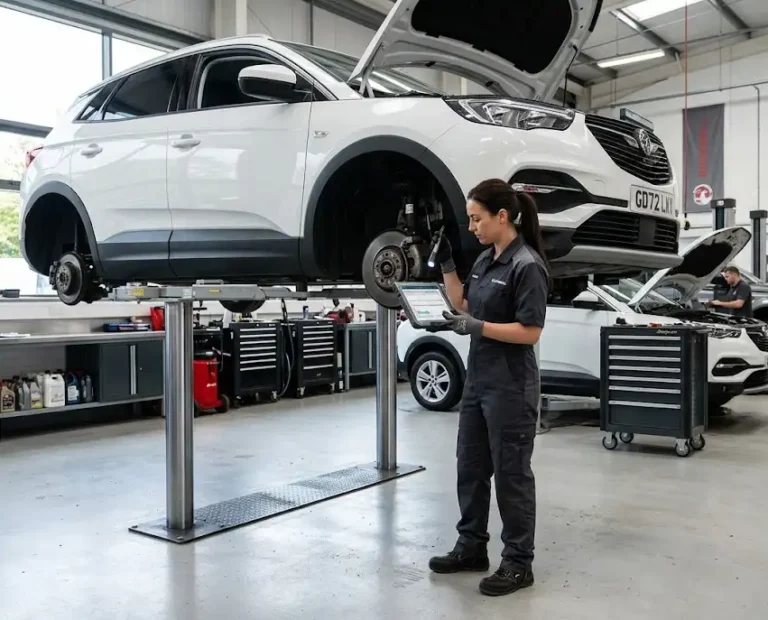
Brakes and steering are among the most important systems to assess because problems in either area can directly affect the driver’s ability to control the vehicle. An inspection may identify visible wear, damage, fluid-related concerns or other signs that further investigation is needed.
Tyres and Wheels
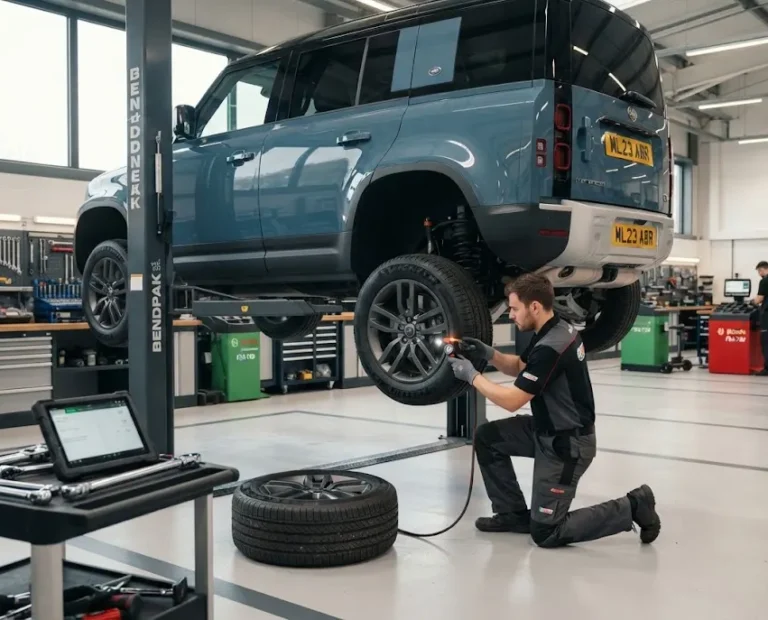
Tyres provide the contact between the vehicle and the road, so their condition matters in everyday driving. Inspectors may check tread, visible damage, pressure-related issues and general condition. Wheel condition can also be considered where appropriate.
Lights and Visibility
Headlights, brake lights, indicators, mirrors, windows and windscreen-related components all contribute to visibility and communication with other road users. Simple defects can sometimes be overlooked during everyday driving, making them useful inspection points.
Suspension and Underbody Components
Suspension problems can influence handling, ride quality and tyre wear. A professional inspection can help identify signs of deterioration that may not be obvious from a quick visual check.
Fluids and Visible Leaks
Fluid levels and visible leaks can provide useful clues about vehicle condition. Oil, coolant, brake fluid and other systems deserve appropriate attention, particularly when a driver notices an unexplained drop in fluid level or a new mark beneath the vehicle.
Electronic and Diagnostic Systems
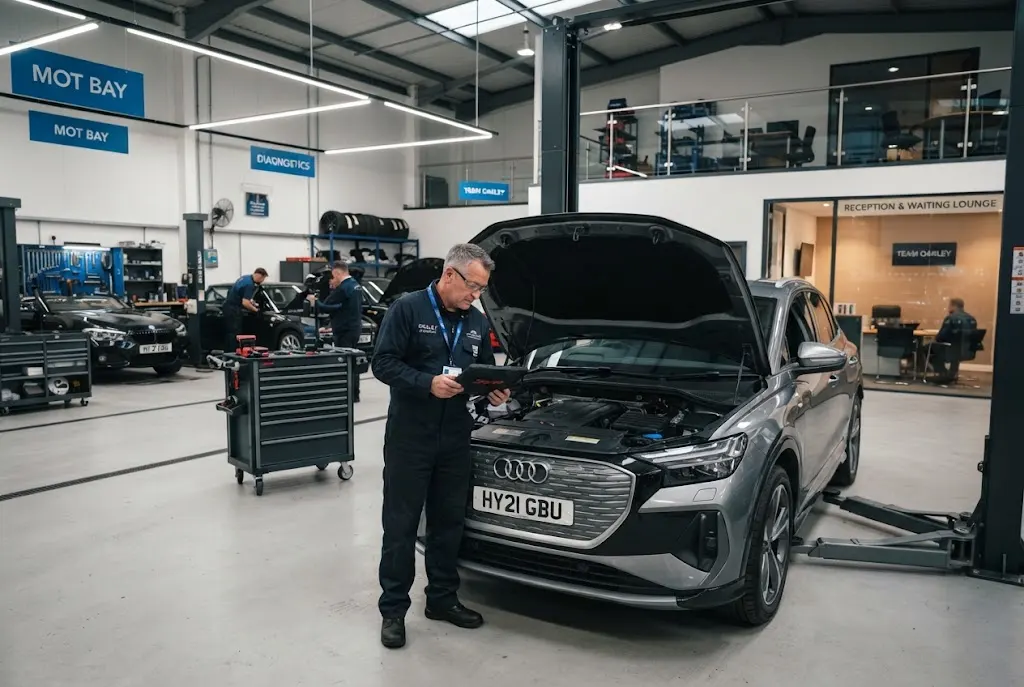
Modern vehicles rely heavily on electronic control systems. Diagnostic checks can help identify stored fault codes or electronic issues that may not be obvious during a basic visual inspection. These checks can be particularly useful when warning lights appear or when a vehicle develops unexplained performance problems.
Why Regular Auto Inspection Services Matter
One of the biggest advantages of regular inspections is that they can reveal developing issues before they become major failures. A small problem does not always remain small if it is ignored.
For example, abnormal tyre wear may indicate an underlying alignment or suspension issue. A minor fluid leak could become more serious if its cause is not investigated. Unusual brake behaviour may also warrant attention before braking performance deteriorates further.
Regular assessments can therefore support a more proactive approach to vehicle maintenance. Rather than following a purely reactive model, drivers can use inspection findings to plan repairs and servicing around their vehicle’s actual condition.
When Should You Arrange a Vehicle Inspection?
There is no single inspection schedule that suits every vehicle. The appropriate frequency depends on factors such as vehicle age, mileage, driving conditions, usage and maintenance history.
However, an inspection can be particularly useful before buying a used vehicle, before a long journey, after a significant impact or when unusual symptoms appear.
It may also make sense when a vehicle has reached a higher mileage or when its maintenance history is incomplete. In these situations, an inspection can provide a useful baseline from which future maintenance decisions can be made.
Vehicle Inspections Before Buying a Used Car
A pre-purchase vehicle inspection can be valuable because appearance alone does not tell the whole story. A car may look clean and drive reasonably well while still having issues that deserve closer attention.
An inspection can help identify visible wear, mechanical concerns and potential warning signs. Combined with the vehicle’s service history and official MOT history, this information can give a buyer a stronger basis for evaluating the vehicle.
However, an inspection should not be viewed as an absolute guarantee that a vehicle has no faults. Its value comes from providing an informed assessment of the vehicle’s condition at the time it is examined.
How Inspection Reports Help With Maintenance
A useful inspection report should turn technical observations into information that an ordinary vehicle owner can understand. Depending on the inspection, findings may identify components that require immediate attention, items that should be monitored or areas where further diagnostic work is recommended.
This can make maintenance planning easier. Instead of treating every recommendation as equally urgent, drivers can discuss the findings with a qualified professional and prioritise repairs according to safety, severity and likely consequences.
Inspection reports can also become useful records over time. Comparing findings from different inspections may help owners recognise recurring problems, monitor component wear and make better decisions about future servicing.
How Diagnostic Checks Support Vehicle Health
Diagnostic checks are particularly relevant to modern vehicles because many faults are managed or recorded electronically. A diagnostic scan can identify stored fault information and provide technicians with additional clues when investigating a problem.
However, diagnostic equipment should be viewed as one part of the inspection process rather than a replacement for physical checks. A fault code does not always explain the entire cause of a problem, and visual or mechanical examination may still be necessary.
Combining diagnostic information with physical inspection and professional judgement can produce a more complete picture of vehicle health.
Inspection Findings and Your Maintenance Strategy
The most useful inspection is one that leads to sensible action. If an inspection identifies a safety-critical problem, it should be addressed promptly. Other issues may be suitable for planned maintenance, depending on their condition and the manufacturer’s recommendations.
This approach can help drivers avoid two common mistakes: ignoring genuine problems and replacing components unnecessarily. A structured maintenance strategy focuses attention on evidence, vehicle condition and appropriate repair priorities.
Drivers can also combine inspection findings with their normal servicing schedule. If you are developing a broader approach to keeping your vehicle reliable, understanding auto care services can help put inspections into the context of routine vehicle ownership.
What Makes a Good Inspection Service?
A quality inspection should be systematic rather than rushed. The technician should understand why the vehicle is being inspected and assess the relevant components accordingly.
Clear communication is equally important. Drivers should be able to understand what was checked, what was found and which issues require attention. Where further diagnostic work is needed, the inspection should make that recommendation clear rather than presenting uncertain conclusions as definite faults.
For drivers, expert guidance is especially valuable when several issues are identified at once. A professional can help explain which concerns are safety-related, which are developing and which may simply need monitoring.
How Inspections Fit Into Modern Vehicle Ownership
Vehicle ownership is becoming increasingly dependent on proactive maintenance and better information. Modern cars contain more electronic systems, while repair decisions can involve increasingly complex diagnostic information.
That makes regular inspections useful beyond simple fault finding. They can help owners understand the condition of their vehicles and make more informed decisions about servicing, repairs and long-term ownership.
For motorists considering how maintenance may change as vehicles and servicing models evolve, topics such as mobile auto service and changing approaches to vehicle ownership are becoming increasingly relevant.
Final Thoughts on Auto Inspection Services
Auto inspection services can give drivers a clearer understanding of their vehicle’s condition, particularly when used alongside MOT testing, routine servicing and appropriate diagnostic checks. An inspection is not a substitute for the MOT or a guarantee that every future fault will be prevented. Instead, it is a practical tool for identifying concerns, supporting roadworthiness and making better maintenance decisions.
For motorists, the real benefit comes from using inspection information intelligently. By paying attention to safety-related findings, monitoring developing issues and planning maintenance around the vehicle’s condition, drivers can take a more proactive approach to ownership and keep their vehicles in better shape over the long term.