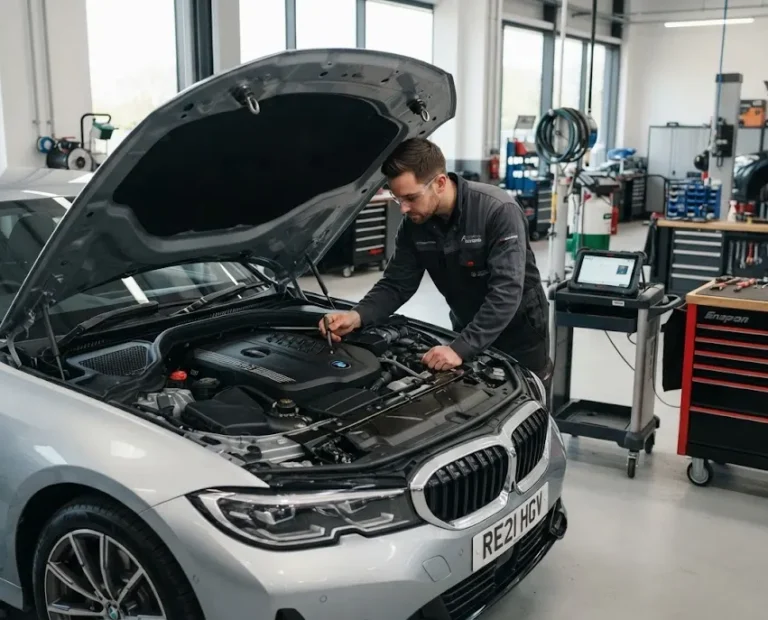
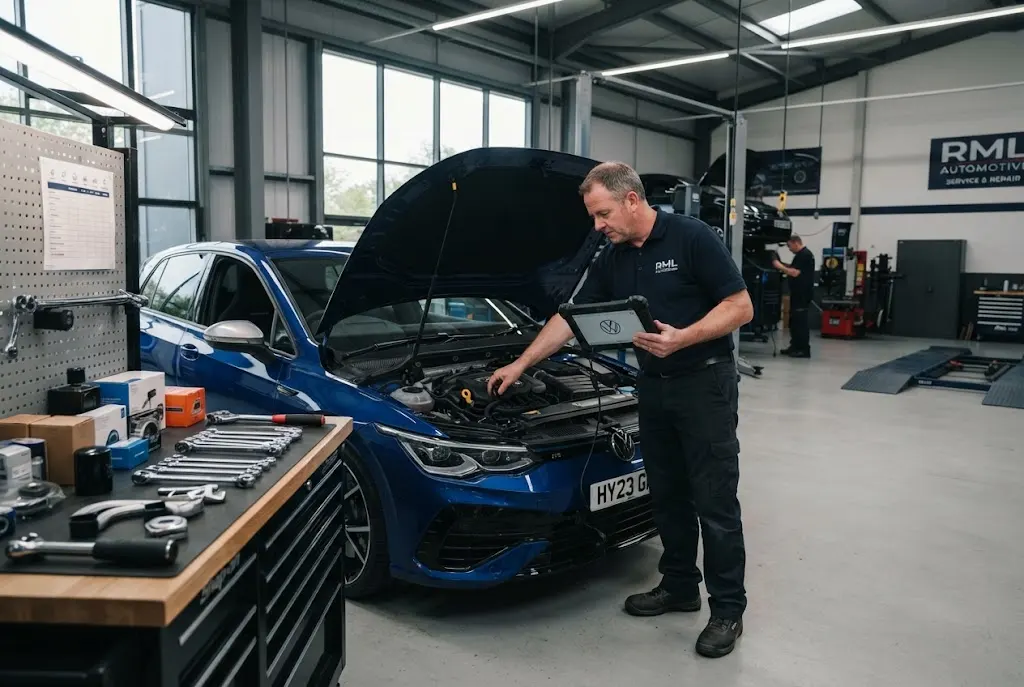
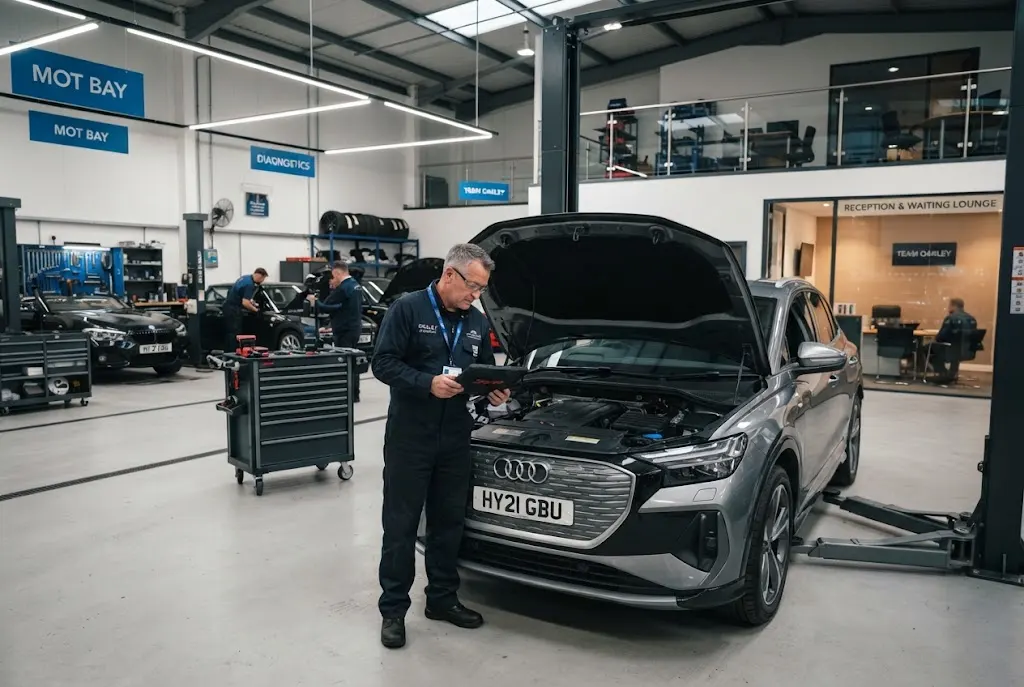
Understanding the difference between an MOT and service is essential for responsible vehicle ownership in the UK. Although both involve looking at the condition of a car, they have different purposes. An MOT is a statutory test covering specified roadworthiness and environmental requirements, while servicing forms part of a vehicle’s ongoing maintenance programme.
Confusing the two can lead to gaps in maintenance planning. A car may pass its MOT and still need a service, just as completing a service does not automatically mean the vehicle has passed its MOT. For drivers, understanding how these processes work together makes it easier to manage compliance, safety and longer-term vehicle care.
This guide explains the relationship between MOT testing and servicing, what each process is designed to achieve, how they fit into ownership planning and why passing an annual test should not be treated as the end of a vehicle’s maintenance responsibilities.
What Is an MOT and Service?
An MOT and service are two separate aspects of vehicle ownership that are often discussed together because both can involve a professional inspection of a car.
An MOT is a legally required test for vehicles that fall within the relevant testing requirements. It assesses specific areas of roadworthiness and environmental performance against the standards applicable to the test.
A service is different. It is a planned maintenance appointment intended to help keep a vehicle operating appropriately. The work included in a service can vary depending on the manufacturer, vehicle, mileage, age and service schedule.
Because they serve different purposes, drivers should generally think of an MOT and servicing as complementary rather than interchangeable.
MOT and Service: What Is the Difference?
The simplest way to understand the difference is to consider the purpose of each process.
The Purpose of an MOT
An MOT assesses whether a vehicle meets specified legal standards at the time of the test. It is primarily concerned with whether particular aspects of the vehicle meet the requirements for road use.
The test does not represent a complete mechanical health check of everything fitted to the vehicle. Passing an MOT therefore should not be interpreted as confirmation that every component is in perfect condition.
The Purpose of a Service
Servicing is part of ongoing vehicle maintenance. Depending on the service schedule, it may include inspections, checks, fluid-related maintenance and replacement of particular maintenance items.
The precise work should be based on the manufacturer’s recommendations and the vehicle’s individual circumstances.
For a deeper explanation of service intervals and different types of servicing, read our guide to car servicing.
Why Passing an MOT Does Not Replace Servicing
One of the most important ownership lessons is that an MOT certificate does not replace routine maintenance.
A vehicle can pass its MOT while still being due for scheduled servicing. Certain maintenance requirements may also fall outside the specific areas examined during an MOT.
For example, servicing can be concerned with maintenance tasks that are scheduled according to mileage or time. These tasks may be necessary even if the vehicle recently passed its annual test.
Drivers should therefore keep their service schedule separate from their MOT renewal date. Treating both as one event can make it easier to overlook maintenance that is not directly connected to the statutory test.
Understanding MOT Regulations in the UK
The MOT is part of the UK’s vehicle compliance system. The exact requirements depend on the vehicle type, age and applicable regulations.
For most motorists, the practical responsibility is to make sure the vehicle has a valid MOT when one is legally required and to address any issues identified by the test.
Drivers should use official government information when checking current MOT requirements, testing rules and vehicle status because regulations and administrative details can change.
The official GOV.UK MOT status service allows motorists to check MOT information for a vehicle using its registration number.
When Should You Book an MOT?
Drivers should plan their MOT before the existing certificate expires where a valid MOT is required for the vehicle. Leaving the test until the last possible moment can create unnecessary pressure if the vehicle needs repairs before it can pass.
Checking the expiry date in advance gives owners more time to arrange a test and deal with any issues that may be identified.
It is also useful to avoid assuming that the MOT date is automatically linked to the date of the last service. These dates may be close together, but they serve different purposes.
Good maintenance planning keeps both schedules visible rather than relying on one reminder to manage everything.
Can You Combine an MOT and Service?
Many drivers choose to arrange their MOT and service around the same time because it can be convenient. Combining appointments may reduce the number of visits to a garage and allow owners to deal with multiple vehicle-related tasks together.
However, combining the appointments does not make them the same process.
A garage may carry out the MOT and service during one visit, but the work should still be understood as two separate activities with different purposes.
Before booking, drivers should ask what is included in the service package and what is covered by the MOT. This helps avoid misunderstandings about additional repairs or maintenance recommendations.
How Servicing Supports MOT Readiness
Regular servicing can contribute to general vehicle upkeep, which may help owners identify issues before an MOT appointment. However, servicing is not a guarantee that a vehicle will pass its test.
Likewise, an MOT failure does not necessarily mean the vehicle has been poorly serviced. A component can develop a fault between maintenance appointments, or a particular issue may not have been due for attention during an earlier service.
The best approach is to treat servicing and MOT preparation as related but separate elements of vehicle care.
MOT and Service: The Role of Vehicle Maintenance
Both MOT testing and servicing sit within a broader vehicle maintenance strategy. Owners still need to pay attention to their vehicle between professional appointments.
Our guide to vehicle maintenance covers preventive care, maintenance schedules, reliability and smarter planning.
Routine owner checks can help identify obvious changes in condition. Tyres, lights, fluid levels, windscreen condition and warning lights are examples of areas that should not simply be ignored until the next MOT or service.
Drivers should also take unusual noises, changes in braking or steering behaviour and other unexpected symptoms seriously. If something appears wrong, waiting for the next scheduled appointment may not always be appropriate.
What Happens if a Vehicle Fails Its MOT?
If an MOT identifies defects that prevent the vehicle from meeting the relevant requirements, the owner may need to arrange repairs before the vehicle can successfully complete the necessary testing process.
The appropriate response depends on the defects identified and their severity. Drivers should understand the reason for the failure and what work is required before authorising repairs.
A failed MOT should also be considered separately from routine servicing. Repairing a failed test item may resolve the immediate compliance issue without completing every maintenance task that would normally form part of a service.
For broader information about repairs and how to evaluate repair decisions, see our guide to auto repair services.
MOT Advisories and Future Maintenance
An MOT result can contain useful information beyond the immediate pass or fail outcome. Where an advisory is provided, drivers should consider what it means for future vehicle care.
An advisory does not necessarily mean that a vehicle currently fails the test. However, it can draw attention to a condition that may require monitoring or attention later.
Keeping a record of advisories can therefore support maintenance planning. If the same component or issue appears again, the history may help the owner and technician understand how the condition has developed.
How to Plan Around Annual Inspections
Annual MOT testing creates a useful fixed point in the vehicle ownership calendar, but drivers should build their maintenance plan around more than one date.
A practical approach is to maintain a simple record containing:
- The MOT expiry date.
- The date and mileage of the latest service.
- The recommended next service interval.
- Significant repairs completed during the year.
- Any MOT advisories worth monitoring.
- Upcoming maintenance items identified by the manufacturer.
This information gives owners a clearer overview of the vehicle’s condition and upcoming responsibilities.
It also reduces the risk of treating every maintenance requirement as an emergency simply because several tasks happen to become due at the same time.
MOT and Service Costs
The total cost of maintaining a vehicle can vary significantly depending on its make, model, age, mileage and condition. An MOT and a service should therefore be budgeted as separate potential expenses.
The MOT itself is a statutory test with rules governing the maximum test fee for standard classes of vehicles, while servicing prices can vary according to the work included and the vehicle manufacturer’s requirements.
Additional repair costs may arise if an inspection or MOT identifies a problem. These costs are separate from the basic MOT or service and should be explained before additional work is authorised.
When comparing garages, drivers should look beyond headline prices and check exactly what each quoted service includes.
Choosing a Garage for MOT and Service Work
Convenience is important, but drivers should also consider the garage’s ability to carry out the required work appropriately.
For routine servicing, owners should understand what maintenance items are included and whether the service follows the relevant manufacturer schedule.
For MOT testing, the testing facility must be authorised to conduct MOT tests. Drivers can use official government information to understand testing arrangements and requirements.
If an MOT or service identifies a complex fault, specialist diagnostic or repair expertise may be appropriate. This is particularly relevant for newer vehicles containing advanced electronic systems, hybrid technology or electric powertrains.
Why Vehicle Records Matter
Keeping MOT, servicing and repair records creates a clearer picture of a vehicle’s history. These documents can help owners understand what work has already been completed and what may need attention next.
Records are particularly useful when several different garages have worked on the same vehicle. A technician can use previous invoices or service documentation as additional context when investigating a new issue.
A well-maintained record can also be useful when a vehicle is eventually sold, although its influence on resale value depends on the wider condition and market circumstances.
How Technology Is Changing Vehicle Compliance and Servicing
Technology is influencing both servicing and vehicle ownership more broadly. Modern cars can monitor numerous systems and provide dashboard notifications when particular conditions require attention.
Diagnostic equipment can also help technicians investigate electronic faults more efficiently. Connected vehicles may provide additional information that could support future maintenance planning.
However, technology does not remove the need for professional assessment. Electronic information still needs to be interpreted correctly, while many physical components require direct inspection.
The result is an automotive environment where digital tools and traditional technical expertise increasingly work together.
MOT and Service for Electric and Hybrid Vehicles
Changes in vehicle technology also affect how owners think about servicing. Electric vehicles do not have the same conventional engine maintenance requirements as petrol or diesel cars, but they still require appropriate checks and maintenance.
Tyres, braking systems, suspension, steering, lights and other relevant components remain important to vehicle condition and roadworthiness.
Hybrid vehicles combine different technologies and can have their own maintenance requirements. Owners should therefore follow vehicle-specific manufacturer guidance rather than applying assumptions from conventional petrol or diesel vehicles.
The MOT remains a separate statutory assessment regardless of how the vehicle is powered, subject to the applicable rules for that vehicle.
Common Mistakes Drivers Make
Several misunderstandings can make vehicle ownership more difficult.
Assuming an MOT Is a Full Service
An MOT checks specified requirements; it is not a complete maintenance programme.
Assuming a Service Guarantees an MOT Pass
Servicing supports general vehicle care but cannot guarantee that a vehicle will meet every requirement checked during an MOT.
Ignoring Advisories
Advisories can provide useful information about conditions that may require future attention. They should not automatically be treated as emergencies, but neither should they simply be forgotten.
Waiting for the MOT to Identify Every Problem
Drivers should continue monitoring their vehicles throughout the year. A developing fault should be investigated when appropriate rather than deliberately delayed until the next test.
A Smarter MOT and Service Routine
A sensible ownership routine can make both processes easier to manage. Drivers can start by recording the MOT expiry date and service history in one place.
Before a scheduled appointment, they can also note any unusual symptoms, warning lights or changes in vehicle behaviour. This gives the technician useful information and may help focus the inspection.
After the appointment, owners should keep the documentation and update their maintenance records. If repairs or advisories are identified, they can then decide what needs immediate attention and what can be incorporated into future planning.
This simple process turns MOT testing and servicing into parts of a broader ownership strategy rather than isolated annual events.
Final Thoughts on MOT and Service
Understanding an MOT and service helps UK drivers manage two important but different responsibilities. The MOT is a statutory test covering specified roadworthiness and environmental requirements, while servicing is part of the ongoing maintenance of a vehicle.
Keeping the two processes separate in your planning can prevent important maintenance from being overlooked. At the same time, arranging them around similar dates can be a convenient way to organise professional vehicle care.
The most effective approach is to maintain accurate records, follow the manufacturer’s servicing recommendations, monitor the vehicle between appointments and deal with safety-related problems promptly.
As vehicles become more technologically advanced, informed ownership will become increasingly valuable. Drivers who understand the purpose of MOT testing, servicing, maintenance and repairs can make better decisions about safety, compliance, reliability and long-term vehicle ownership.